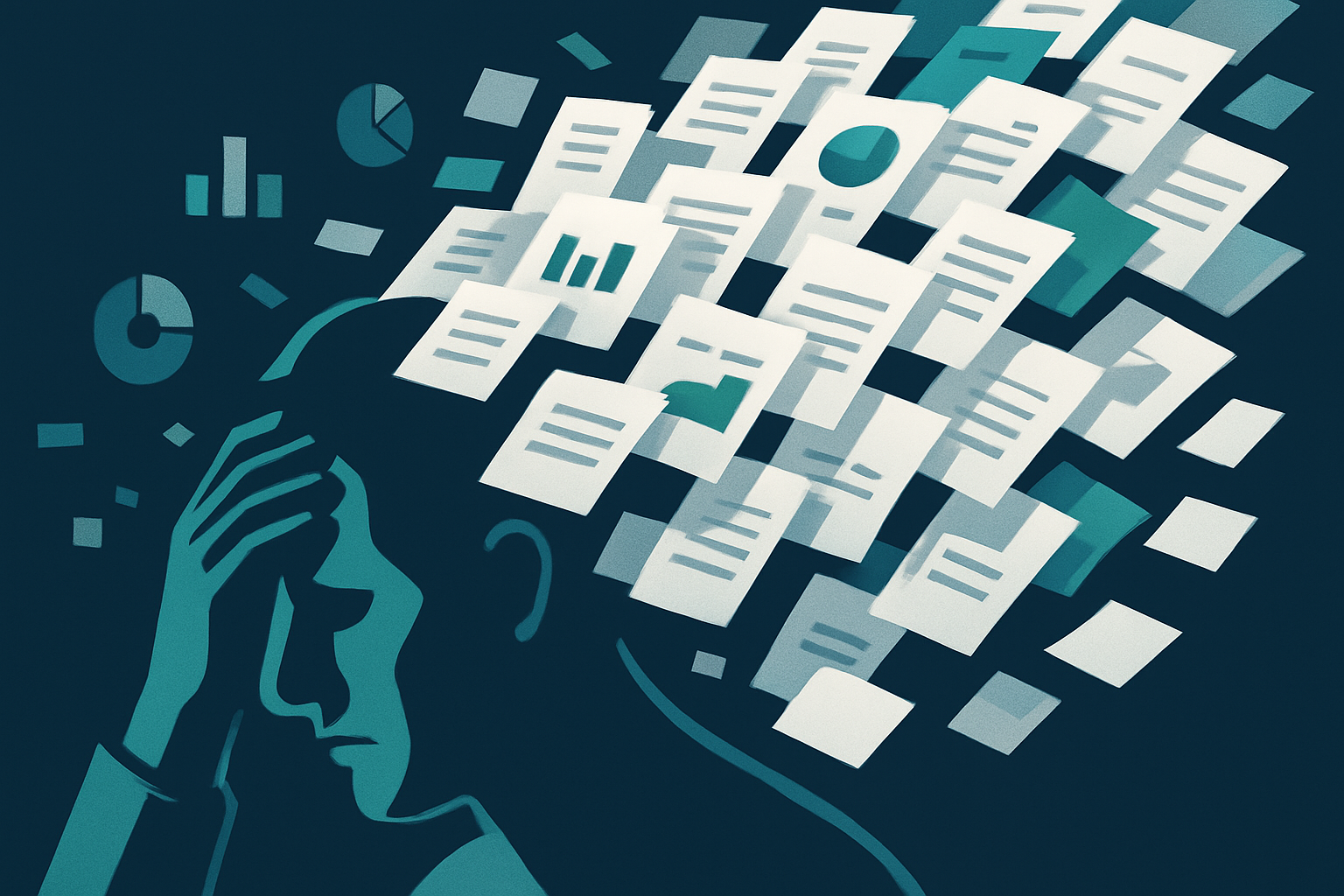

The introduction of AI into academic research and corporate operations is reshaping how we produce and perceive information. As evidenced by the University of Chicago statistician Nicholas Polson’s prolific paper output with AI assistance, and AT&T’s significant workforce reduction due to automation, AI is dramatically accelerating the pace of information production and organizational change.
What is Happening
AI is enabling unprecedented speeds in data processing and information production. Polson’s ability to generate over 200 papers in just a few months highlights how AI can augment human cognitive capabilities, but it also raises concerns about quality and veracity. Similarly, AT&T’s automation of tasks traditionally performed by humans underscores a shift in cognitive demands from operational execution to oversight and strategic management. These changes are not merely logistical but cognitive, affecting how individuals engage with information and make decisions.
Why it Matters
The speed at which AI can produce content and perform tasks is outpacing human capacity to critically evaluate and adapt. This acceleration poses significant cognitive and psychological challenges. As AI outputs flood academic and professional spaces, individuals may experience decision fatigue and reduced trust in information, struggling to discern credible sources from mere volume. Moreover, the shift from active task engagement to oversight might lead to decreased job satisfaction and a sense of disconnection from meaningful work.
“AI’s ability to generate content faster than we can verify it threatens the integrity of academic and professional fields, creating a cognitive dissonance between perceived knowledge and actual understanding.”
Author’s Position
While AI’s potential to enhance productivity is immense, we must carefully consider its impact on human cognition and organizational structure. The cognitive load associated with evaluating high volumes of AI-generated content can lead to errors in judgment and decision-making. Organizations must implement robust verification processes to maintain information integrity and foster environments that prioritize critical thinking over sheer productivity. As we integrate AI into more facets of life, the focus should be on complementing human capabilities rather than overwhelming them.
Ultimately, the path forward lies in striking a balance between AI-enhanced productivity and maintaining cognitive clarity. This requires redefining how we measure value in the age of AI—not just in terms of quantity but in quality and human engagement.
References
- 200 Papers in Nine Months
- IonQ Deploys QPU at Nvidia Quantum Center
- SMR Study Finds Up to 172GW More Industrial Potential
- AT&T Shrinks for the AI Era
Perspectives

The alignment problem’s unsolved state means that AI-generated content operates with priorities that diverge from human cognitive needs, accelerating information flow without discerning quality or truthfulness. The notion that we can simply manage this deluge with current cognitive tools is naive — decision fatigue and informational mistrust are not just possible; they’re inevitable outcomes. Institutions lag hopelessly behind, lacking both the mandate and the capability to mitigate these effects, exacerbating our cognitive overload. The absence of a robust governance structure for AI underscores the chasm between AI capabilities and human capacity, rendering attempts to achieve cognitive clarity increasingly futile.

If you think farmers battling John Deere’s software locks are an isolated case, congratulations—AI has now delivered a firehose of content that pretends complexity where there’s corporate convenience. The exponential churn of AI-generated drivel mirrors Apple’s penchant for updating iPhones to brick third-party repairs under the guise of “security improvements.” These are not isolated glitches; they’re calculated maneuvers to retain control, obscured by the noise that AI wraps us in like a digital fog. So, go ahead and swim in the endless sea of AI noise, but remember who profits when your mental bandwidth is as locked up as a farmer’s broken combine.

The Bank of North Dakota, with its state-owned structure, managed to prioritize local needs over global market trends, much like public institutions could filter AI-generated content to protect cognitive clarity instead of bowing to unchecked information acceleration. Blindly trusting markets to allocate our attention based on who’s willing to pay the most for it is a recipe for decision fatigue and misinformation. People deserve institutions designed to uphold information integrity — think Korea Development Bank’s strategic industrial growth, only for cognitive resources. Public oversight in content moderation is not just advisable; it is necessary, much like Mondragon’s cooperatives outlasting short-sighted investors by giving workers a stake in their own destiny.

In the rush to discuss AI-generated content and cognitive overload, we seem to have conveniently forgotten that cognitive capacities themselves have heritability estimates hovering around 50% according to the Swedish and Finnish twin studies. Our cognitive elasticity is not infinitely adjustable by new technology or social pressures, no matter how fervently the rhetoric insists otherwise. AI’s rapid production of information does not alter the genetic substrate of intellectual capacity; it merely stretches its limits. Ignoring this biological constraint is reckless, and as with any trait, our baseline understanding should acknowledge the genetic scaffolding underpinning our cognitive capabilities before declaring them infinitely adaptable.