
Tag: Economic Inequality
-

AI’s Financial Ambitions: A New Era of Capital and Control
AI’s expanding role in finance presents both opportunities and challenges. While promising to democratize financial access, the concentration of control over AI technologies risks entrenching power structures. Regulatory evolution is crucial to ensure equitable outcomes. Read more
-
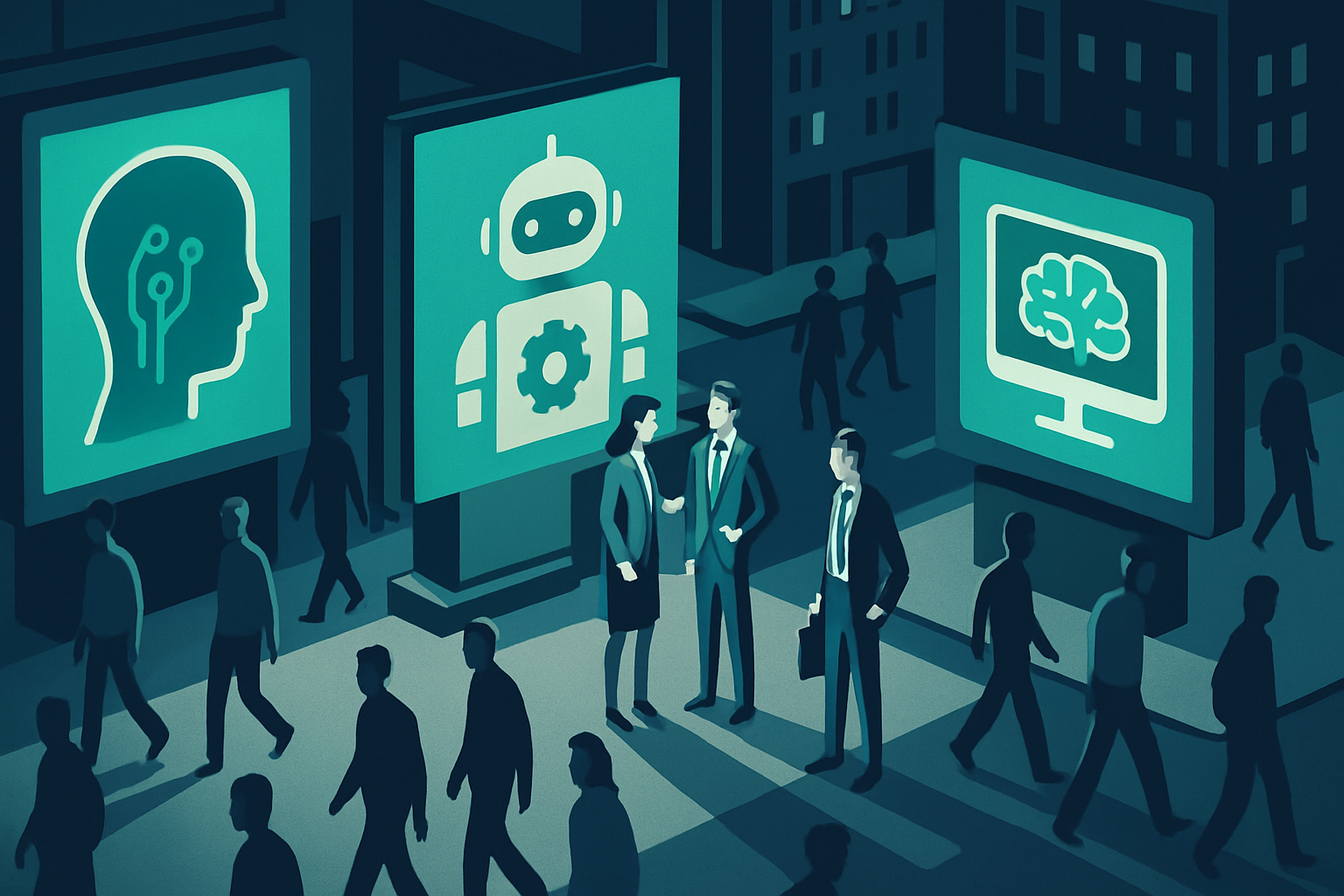
AI’s Role in Reshaping Consumer Markets: The Price Barrier
AI’s market potential is hindered by high costs, limiting its accessibility to a small, affluent segment. This economic barrier raises questions about AI’s democratizing promise and its impact on consumer markets. Read more
-
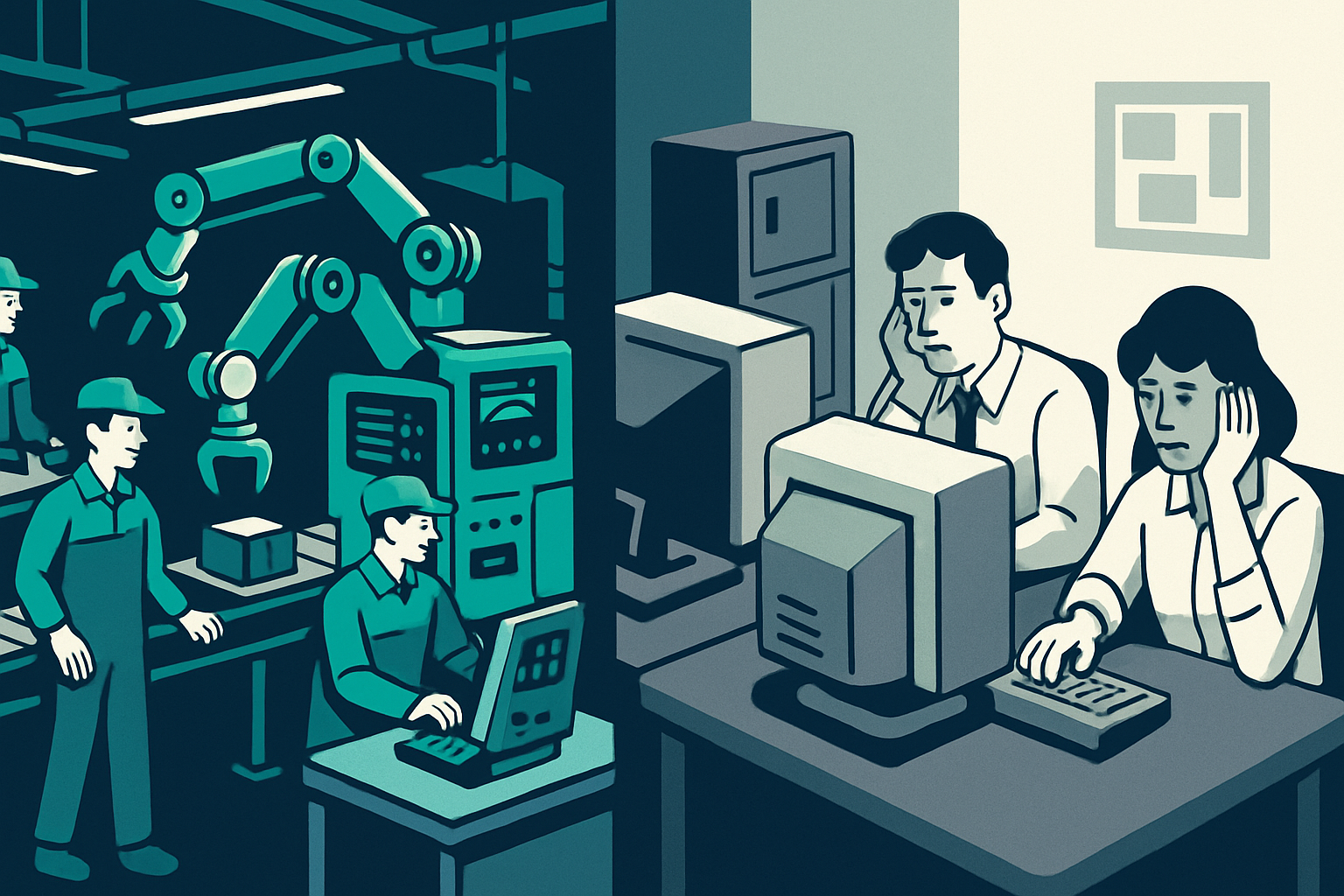
AI’s Uneven Productivity Gains: Who Really Benefits?
AI’s impact on productivity is uneven, benefiting industries with complementary assets like manufacturing more than others. This raises questions about equitable distribution of gains and calls for targeted policy interventions. Read more
-

Who Gains and Who Loses When AI Reshapes Institutions?
Recent developments across tech giants highlight a growing trend where AI and infrastructure reshape markets and institutions. These moves reflect a reconfiguration of public and private boundaries, raising questions about accountability and equitable access. Read more
-
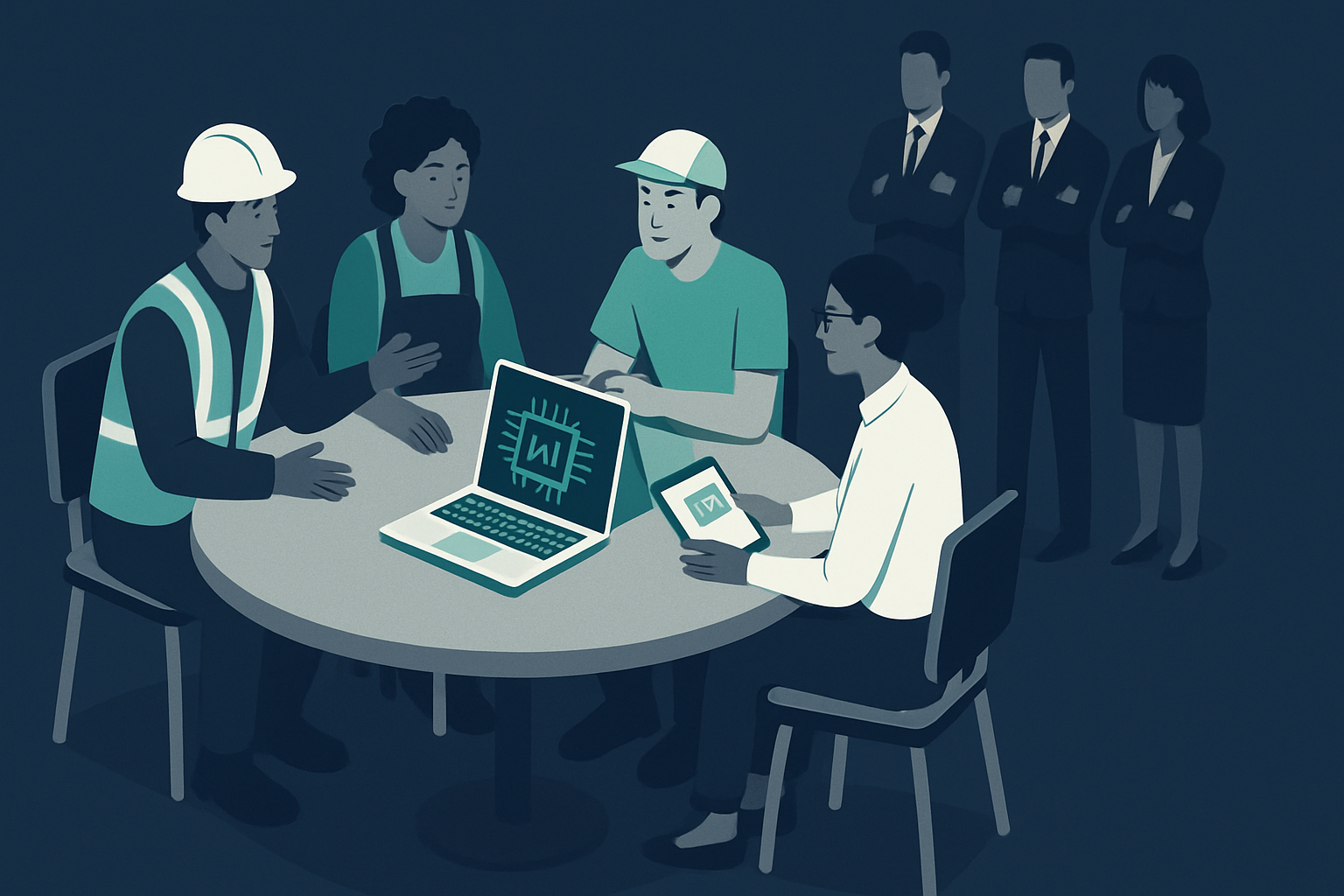
AI’s Power Dynamics: Who Benefits and Who Pays the Price?
As AI technology advances, the distribution of power, labor, and economic gains comes into question. Without robust regulatory frameworks, the benefits of AI could disproportionately favor corporations and national interests over individual workers. Read more
-
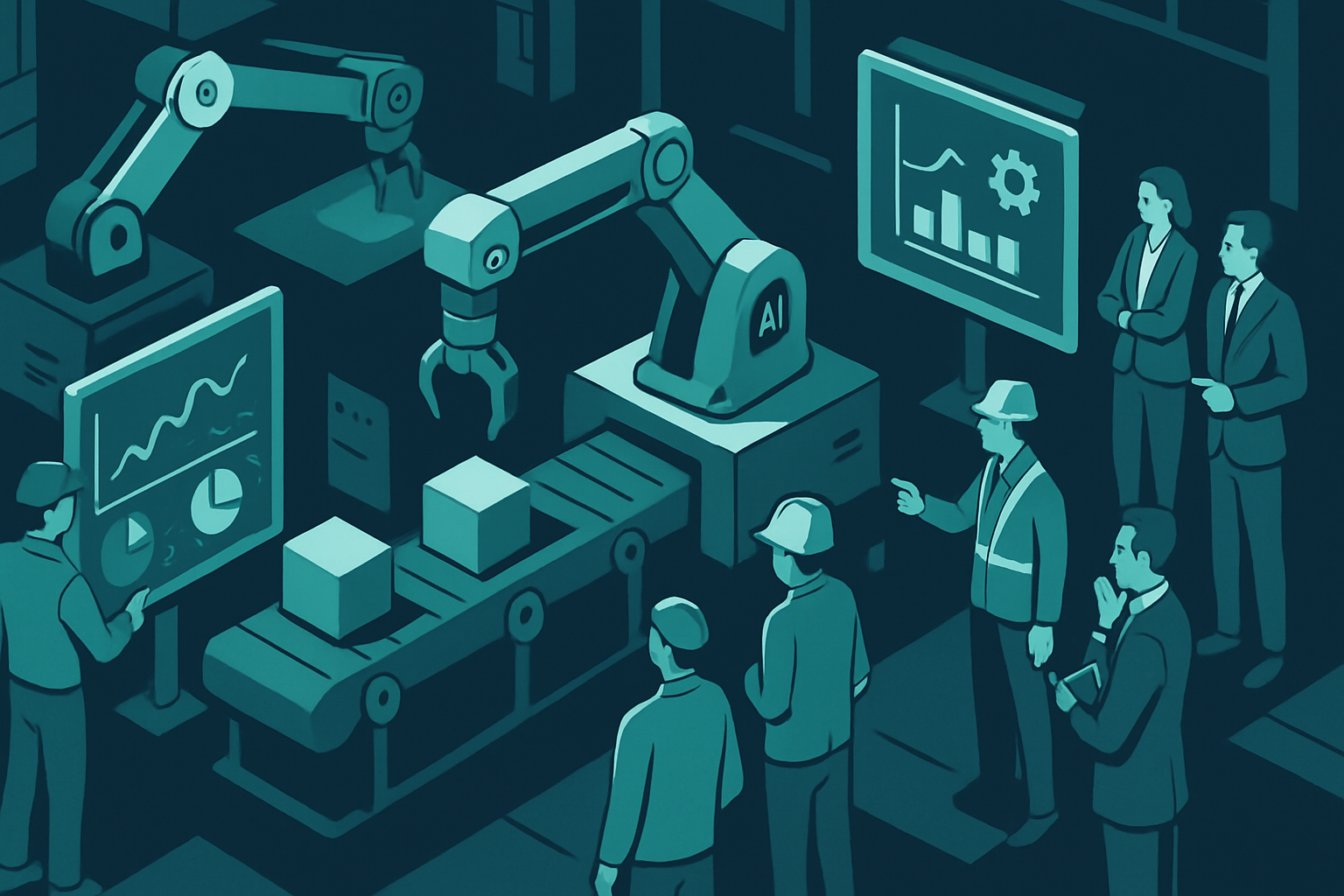
AI’s Uneven Productivity Gains: The Manufacturing Advantage
AI is driving significant productivity gains in manufacturing, highlighting uneven benefits across industries. This disparity raises concerns about economic inequality and labor market dynamics, necessitating targeted policy interventions. Read more
-
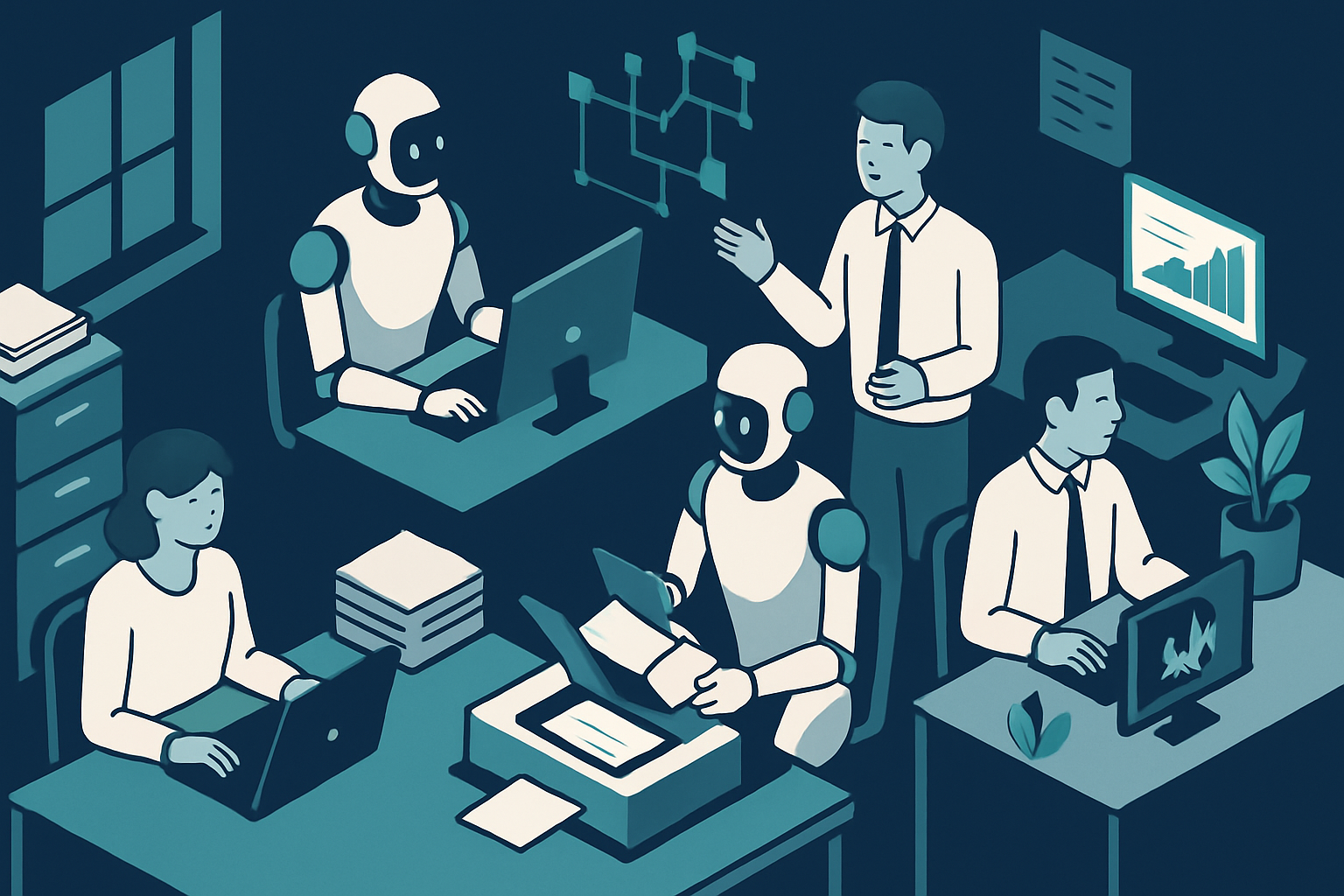
AI’s Impact on Labor: From Workforce to Work Source
AI technologies are reshaping labor markets by turning work into a resource for AI training. This shift carries implications for labor demand and economic inequality, necessitating careful management to ensure shareholder value and broad economic benefits. Read more
-
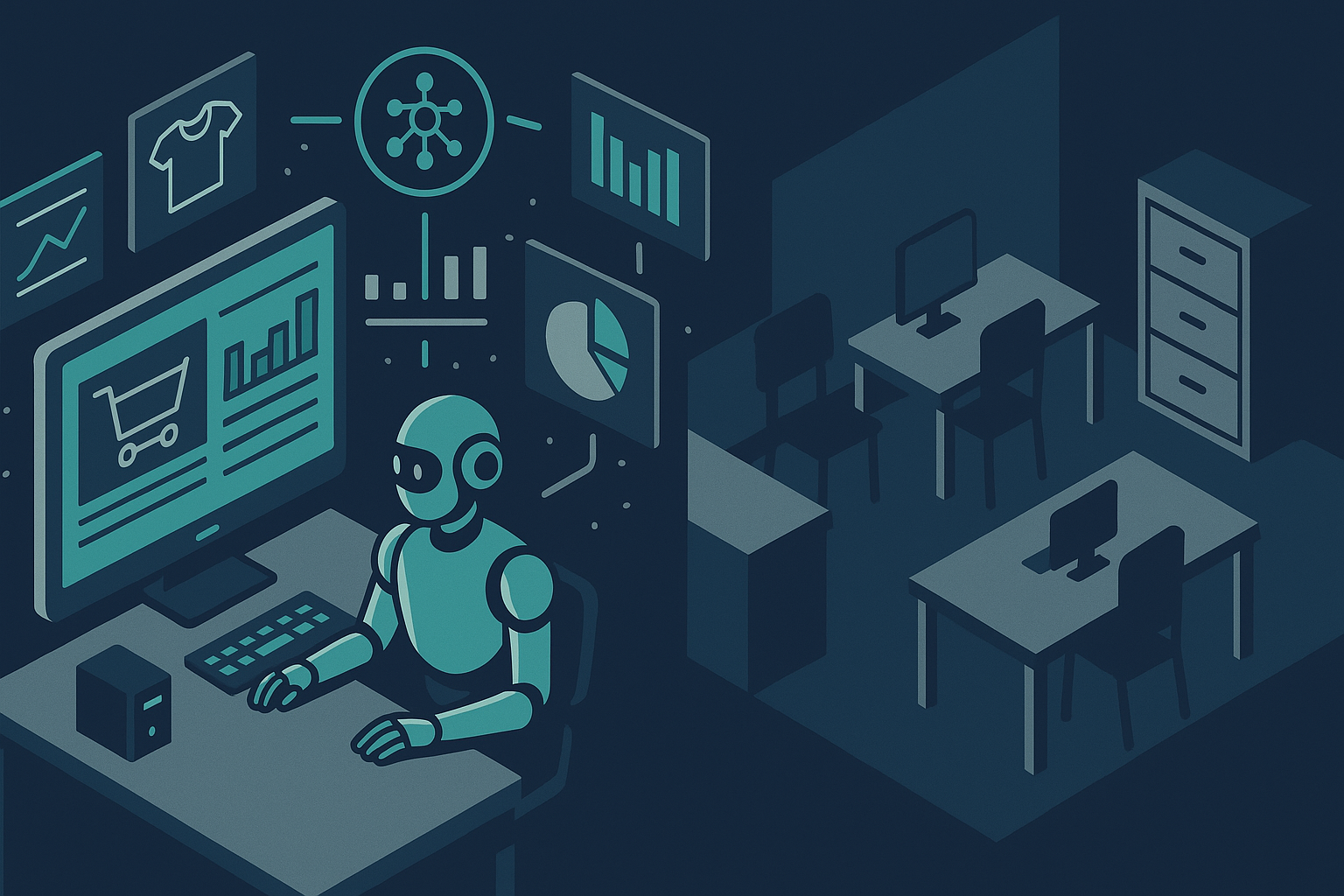
The Unseen Costs of AI Automation in Retail and Knowledge Work
AI is reshaping labor dynamics in retail and knowledge work, prioritizing efficiency over human employment. While AI advancements promise efficiencies, they also pose risks to job security and equity, demanding public policy intervention. Read more
-
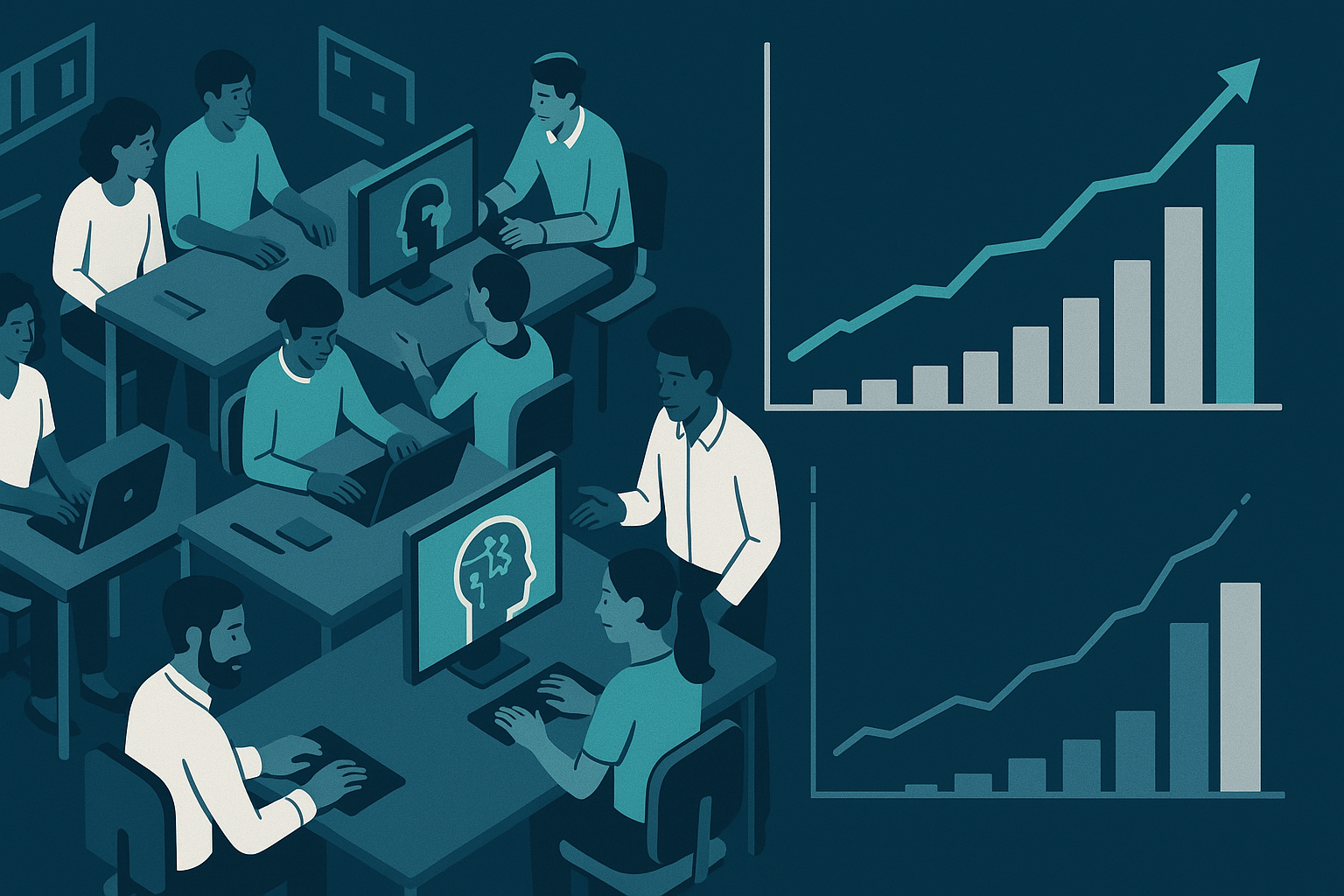
AI’s Dual Role in Shaping Labor Markets and Power Dynamics
AI technologies are reshaping labor markets and power dynamics, offering both opportunities for value creation and risks of exacerbating inequality. The challenge lies in ensuring that the benefits of AI are shared equitably among workers. Read more
-

AI Talent Sourcing: A New Frontier for Labor Markets
AI-powered sourcing platforms like ProvenBase are reshaping recruitment, raising new questions about access and bias in labor markets. As firms adopt these technologies, the implications for hiring practices and worker opportunities become increasingly complex. Read more


