Tag: Power Dynamics
-

AI’s Data Dilemma: Who Owns the Path to Discovery?
The controversy over OpenAI’s alleged data appropriation highlights critical issues of data ownership and power imbalance in the AI industry. As companies leverage user data for competitive advantage, questions of trust and agency arise, demanding clearer regulations and ethical practices. Read more
-

The Illusion of Technological Progress
The story of technology is the same story of human folly and hubris, repeated ad infinitum. AI is not an exception to this cycle; it is its most perfect expression. The cost of AI is not just in the jobs it displaces or the biases it perpetuates, but in the very structure of society it… Read more
-

AI’s Influence on Economic Decision-Making: Behavioral Shifts and Power Dynamics
AI systems are reshaping economic decision-making by processing data at unprecedented scales, influencing human behavior and potentially exacerbating power imbalances. As AI becomes integral to decision-making, it’s crucial to ensure transparency and equitable distribution of its benefits. Read more
-

AI’s Hidden Cost: Who Really Benefits from Technological Advancements?
As AI continues to advance, the benefits are increasingly concentrated among those already in power, exacerbating existing inequalities. To ensure AI serves the broader public, regulatory frameworks must focus on transparency and equity. Read more
-

The Absurdity of AI Alignment as Salvation
The belief that aligning AI with human task preferences will usher in a utopian future is a convenient delusion. It overlooks the ethical implications and societal impacts, risking a future where AI serves existing hierarchies rather than transcending them. Read more
-

AI’s New Frontiers: Privacy, Power, and Institutional Trust
Recent AI policy and technology developments reveal shifting power dynamics and privacy concerns. The U.S. export restrictions on Nvidia chips, OpenAI’s privacy-focused solutions, and Google’s AI integration reflect broader issues of power concentration and societal impact. Deliberate governance and international cooperation are essential to ensure AI benefits are equitably distributed. Read more
-
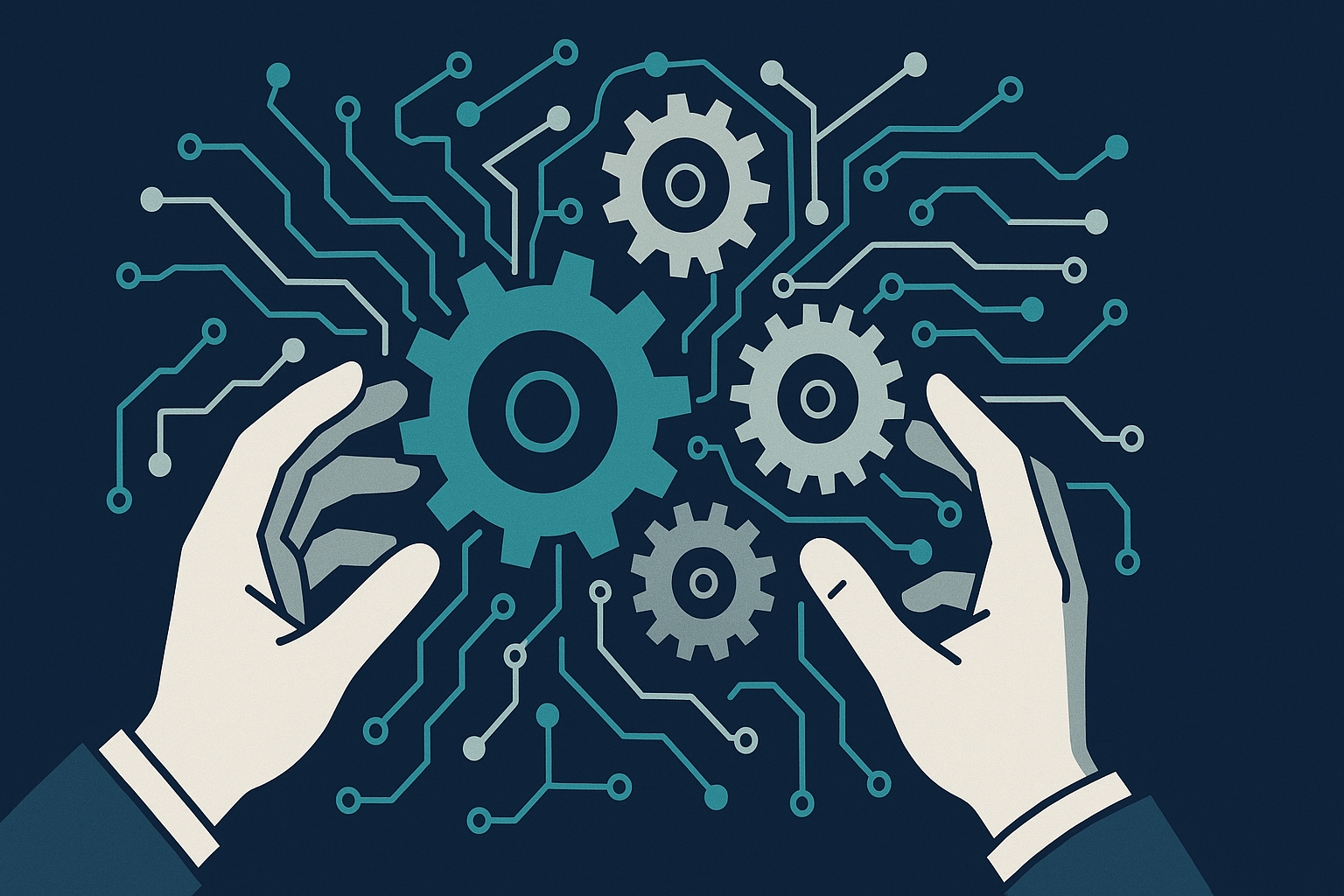
The Illusion of AI Control and Its Consequences
We are not in control of the AI trajectory; we never were. The belief that we can steer the development of artificial intelligence to align with human values is a comforting illusion. The alignment problem is not a single challenge but a complex web of issues that we have barely begun to address. Read more
-

AI Labeling in the Music Industry: A Shift in Power Dynamics
The proposed AI labeling system in the music industry marks a significant shift in transparency and power dynamics, raising critical questions about how technology impacts creators and labor markets. As AI-generated content floods the industry, the implications for artists and copyright law become increasingly urgent. Read more
-

Power Dynamics and Institutional Trust in the AI Governance Landscape
Recent discussions on AI governance highlight crucial shifts in power dynamics and institutional trust. As frameworks like FARO emerge, the need for inclusivity and transparency in decision-making becomes paramount. Read more
-

Power Dynamics in the Age of AI: Unpacking Governance Failures
The rapid adoption of AI technologies has outstripped governance frameworks, raising significant questions about representation and individual rights. As institutions scramble to adapt, the power dynamics at play highlight the need for more participatory models of governance. Read more


