
Category: Sciences
Scientific achievements, AI in research, space missions, bioengineering.
-
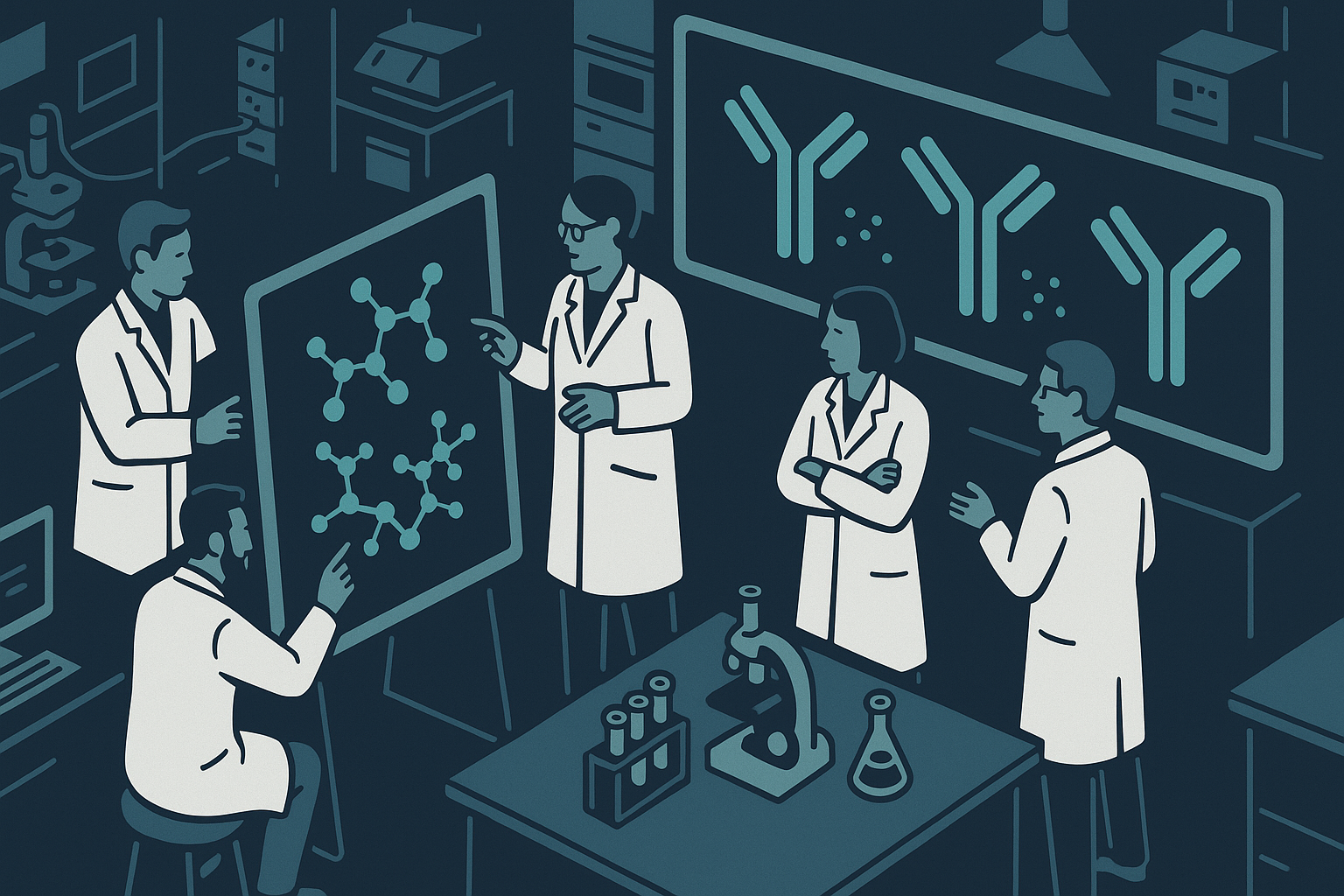
Chai-3 and Pfizer’s Private Data Signal a Structural Shift in Antibody Design
Chai Discovery’s license agreement with Pfizer goes beyond standard platform access: Pfizer gets a custom Chai-3 model trained on its own proprietary data, embedded inside its discovery workflows. The arrangement reflects a broader shift in AI drug discovery, where competitive advantage is moving from model architecture toward the proprietary training data that makes a model… Read more
-
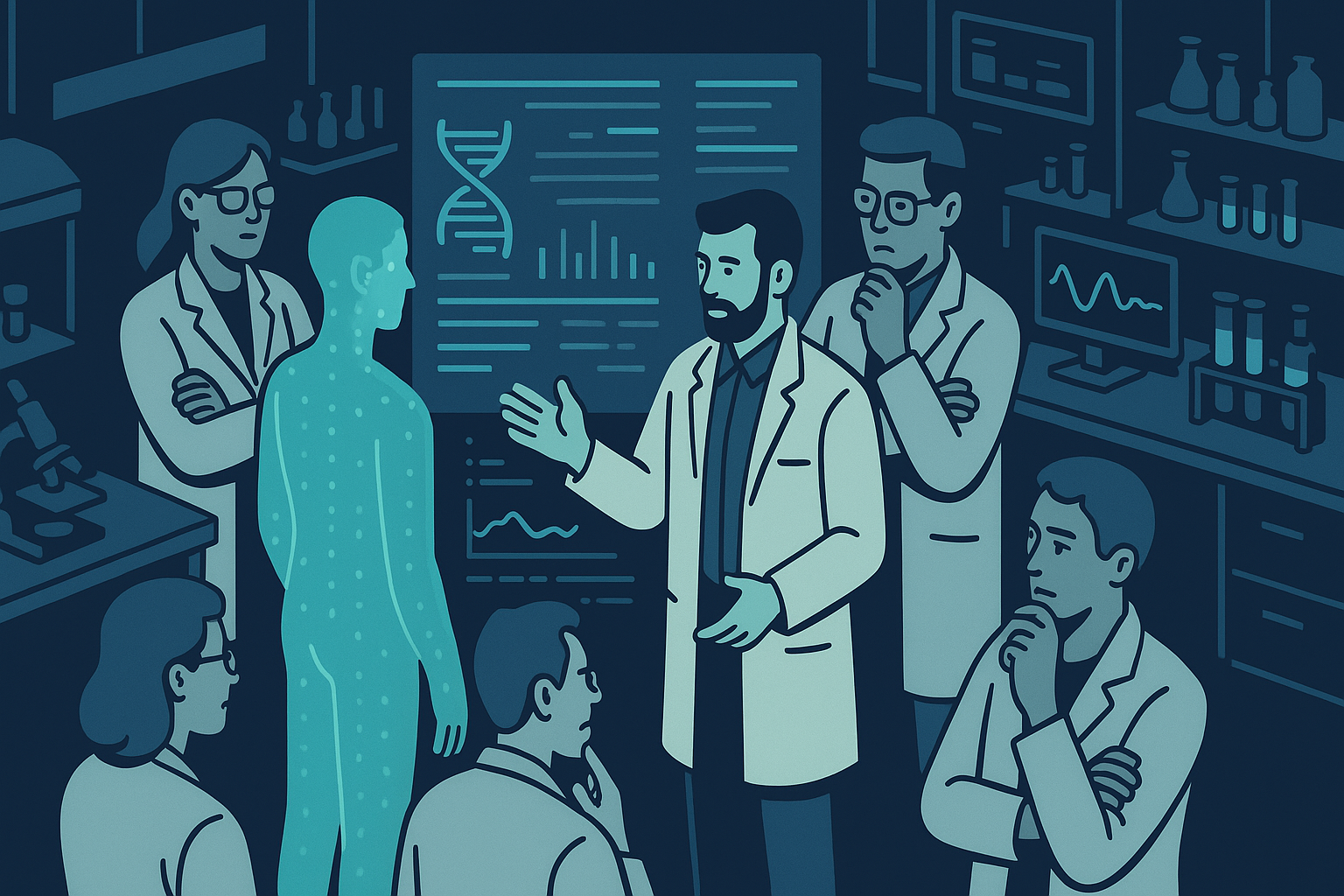
Agentic AI Enters the Drug Discovery Lab Bench
Ono Pharmaceutical is embedding Phylo’s Biomni Lab agentic AI platform across its discovery science teams, tasking AI agents with synthesizing internal experimental history, framing hypotheses, and designing experiments in real time alongside scientists. The move reflects a specific theory about where drug discovery loses time — not in individual experiments, but in the cognitive overhead… Read more
-
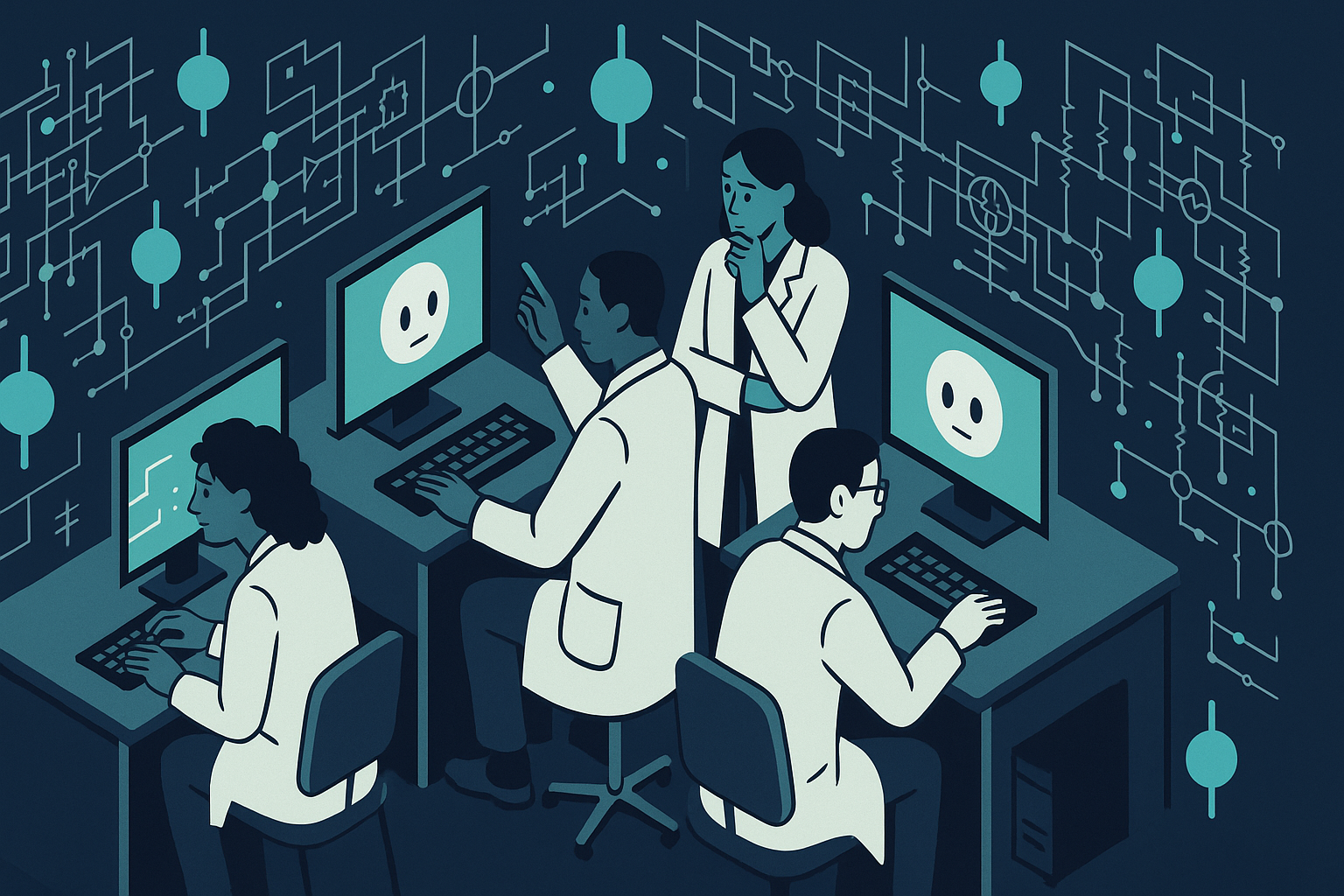
DOE Genesis Mission Bets on Measurement-Based Quantum for Chemistry
A University of Pittsburgh team, backed by the DOE’s Genesis Mission, is building AI agents to automate the design and verification of measurement-based quantum circuits — an architecture that computes by sequentially measuring entangled qubit networks rather than applying gate operations. The work targets chemistry and materials science simulations where classical computers hit hard scaling… Read more
-
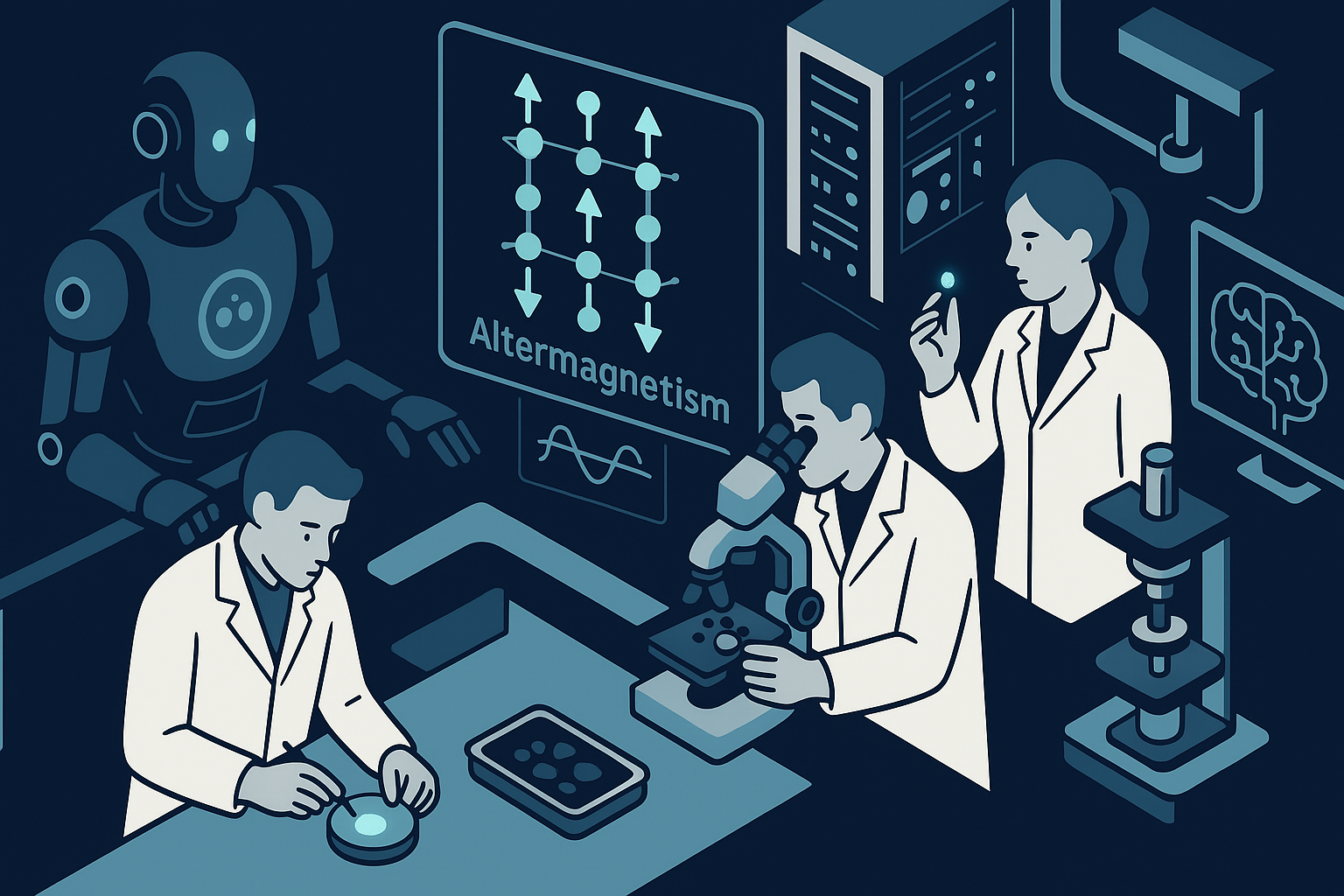
Altermagnetism Confirmed: A Third Magnetic State With AI Hardware Stakes
Altermagnetism — a third class of magnetic order confirmed experimentally across materials including MnTe and RuO₂ — earned Europe’s top physics prize in 2026. The phenomenon produces spin-polarized electron transport without stray magnetic fields, a combination that neither ferromagnetism nor antiferromagnetism achieves. If device engineering can match the materials physics, altermagnetic memory elements could address… Read more
-
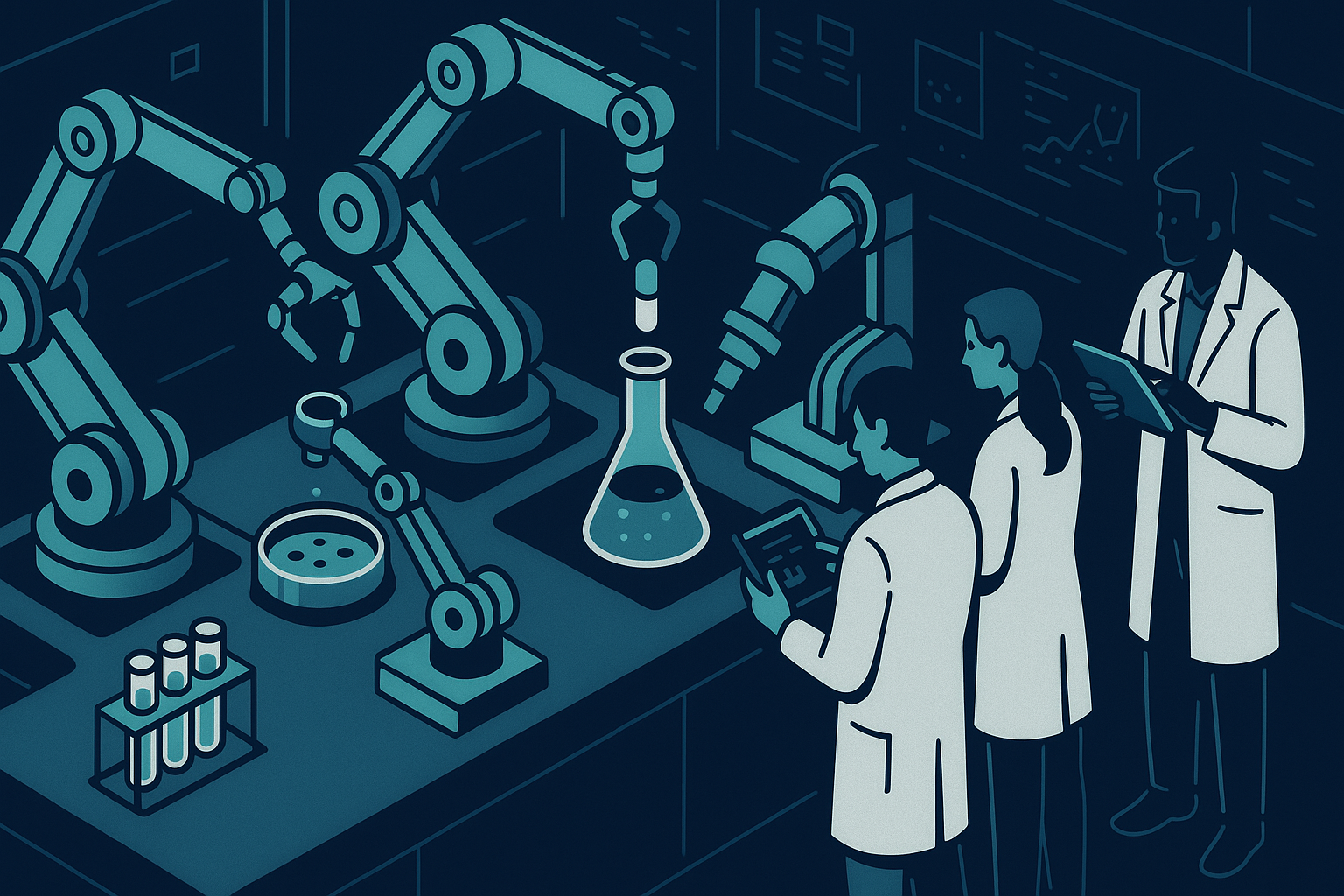
AI-Directed Robotic Labs Are Rewriting Antibody Development Timelines
MegaRobo’s Megalaxy Laboratory in Suzhou completed 56 rounds of antibody optimization experiments in four months using eight researchers, reporting prediction accuracy gains from 70 to 90 percent across stability, expression, toxicity, and binding affinity. The system’s closed-loop architecture — AI agents directing robotic hardware and updating experimental choices from real wet-lab results — represents a… Read more
-
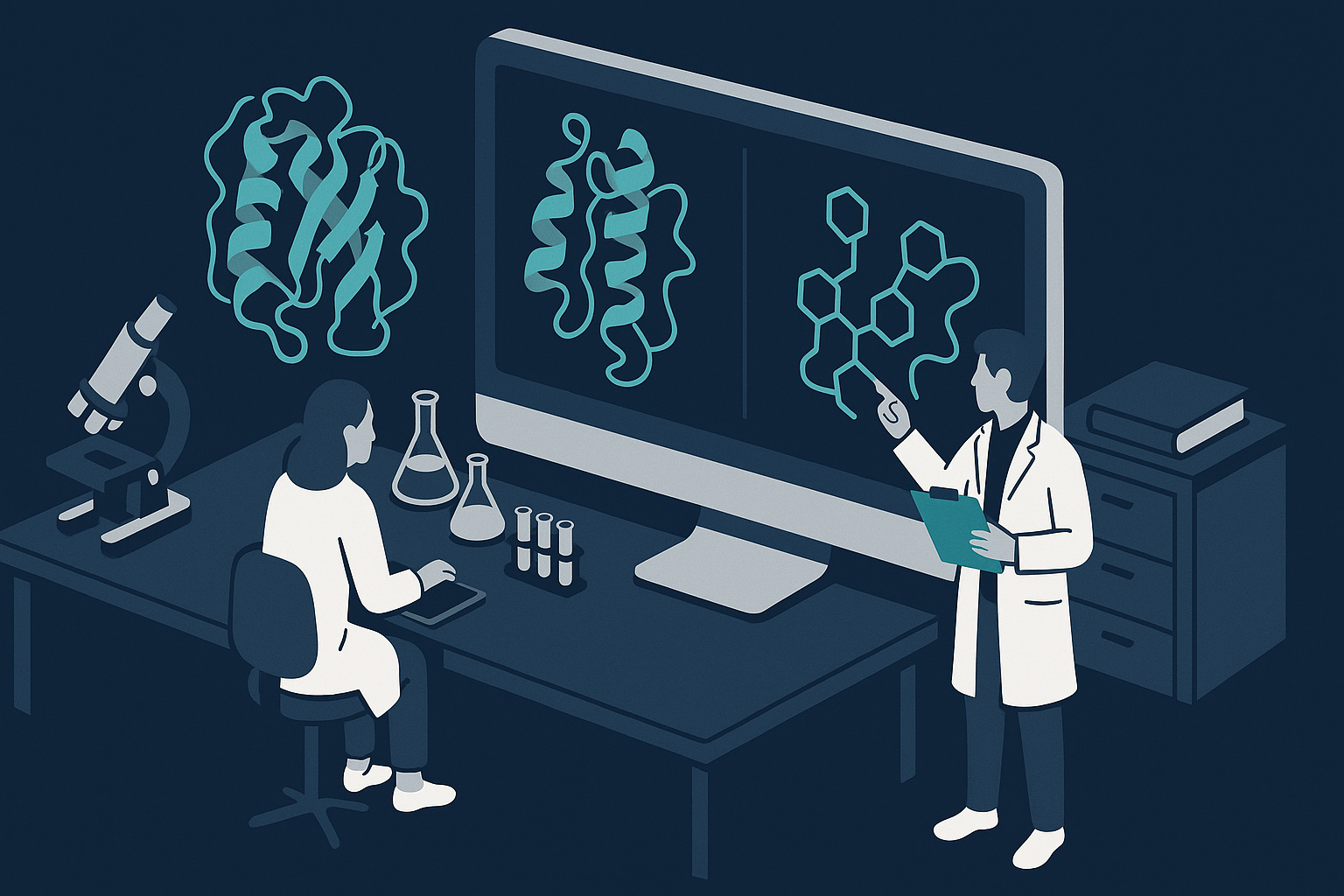
AI’s Role in Protein Folding: Promise and Pitfalls
Recent studies reveal that AI tools for predicting protein structures, like AlphaFold2, sometimes produce unrealistic results due to overlooking fundamental scientific principles. Integrating physics-based validation with AI predictions is essential for accurate modeling. Read more
-
Quantum Computing’s Role in AI-Driven Nuclear Research
The Genesis Mission, led by the U.S. Department of Energy, leverages AI and quantum computing to revolutionize nuclear research and national security. Boulder’s University of Colorado and Infleqtion play key roles, promising advancements in energy efficiency and safety. Read more
-
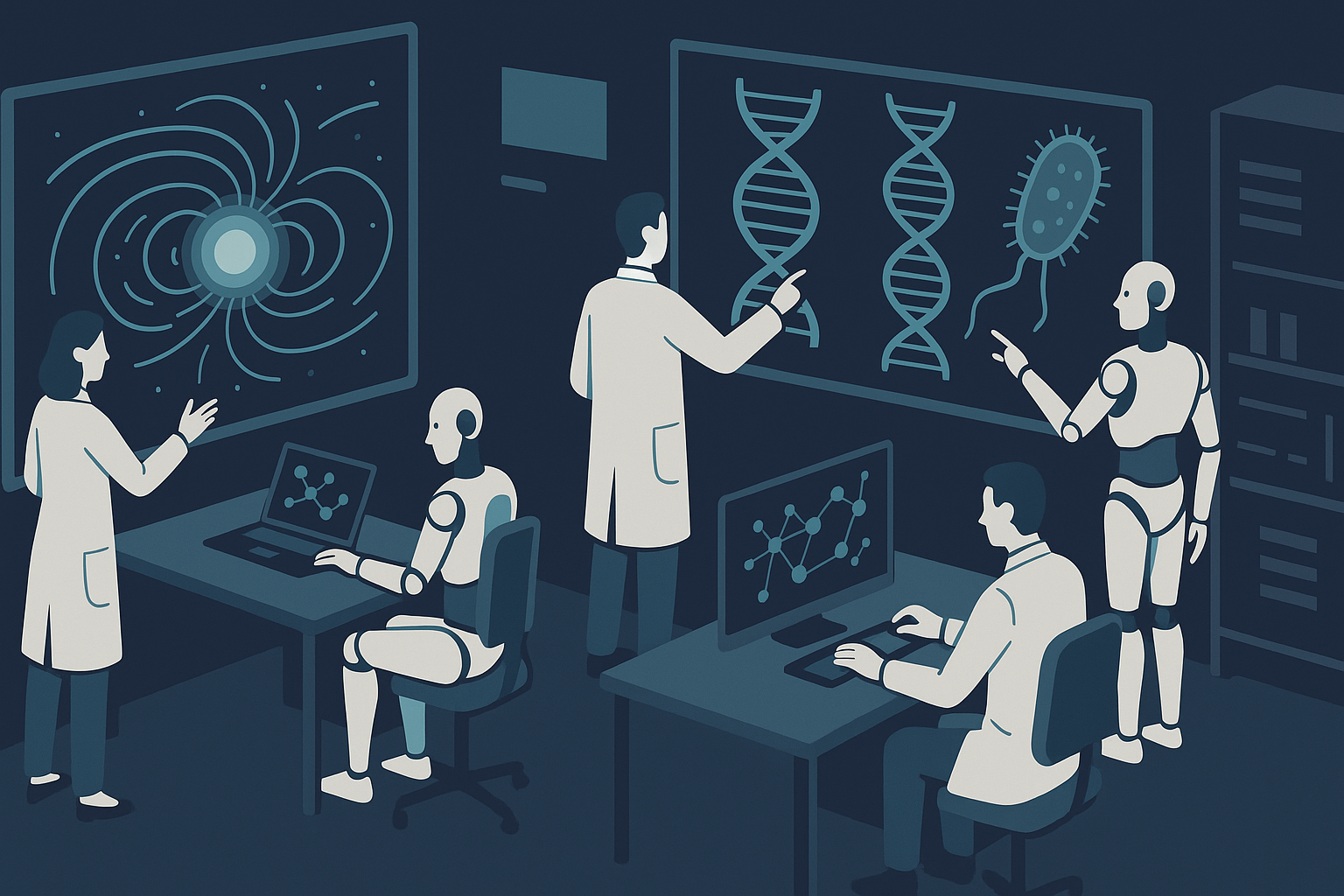
Genesis Mission’s AI Push: Transforming Fusion and DNA Transfer Research
The Genesis Mission by the U.S. Department of Energy aims to double scientific productivity by integrating AI into research, significantly advancing fields like fusion energy and microbial genetics. This initiative could revolutionize energy production and bioengineering over the next decade. Read more
-
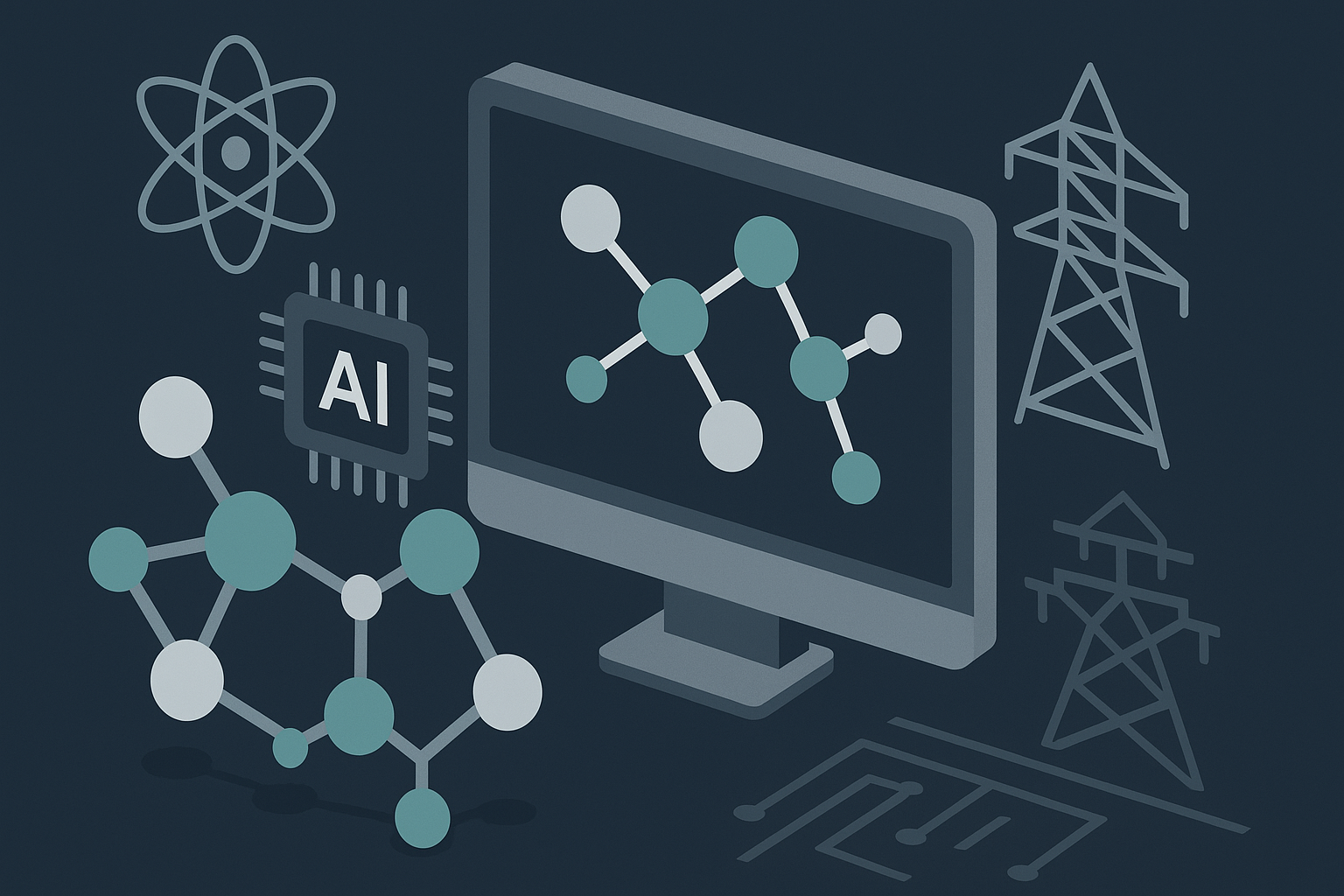
AI Revolutionizes Materials Discovery with MIRA Platform
CuspAI’s MIRA platform leverages AI to dramatically shorten materials discovery timelines, addressing critical supply chain constraints. This advancement could revolutionize semiconductor and energy sectors over the next decade. Read more
-
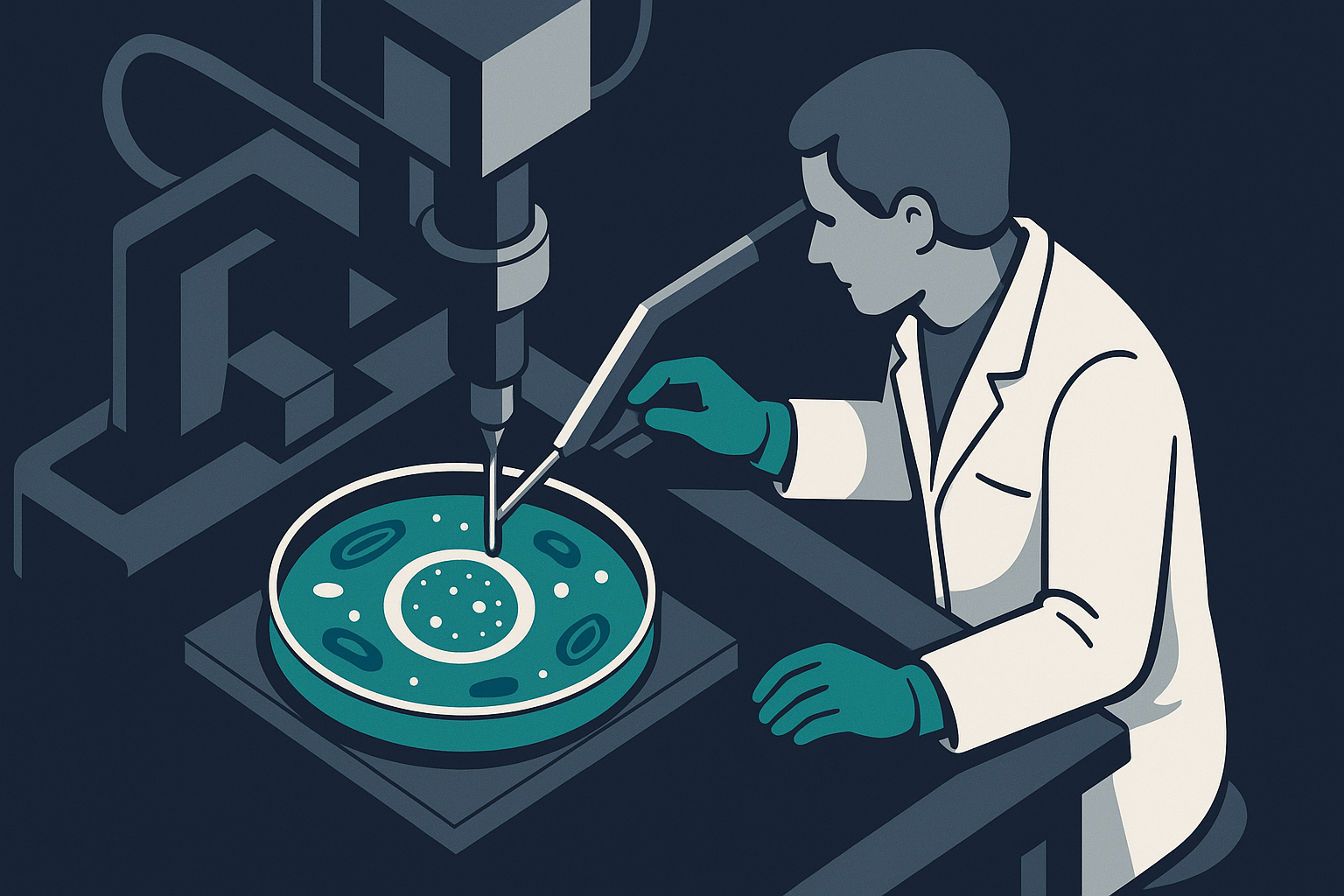
Cytosurge’s FluidFM®: Pioneering Causal Data in AI Drug Discovery
Cytosurge’s FluidFM® technology is pioneering causal data collection in AI drug discovery, enabling precise analysis of living cells. This advancement could significantly improve drug target identification and reduce failure rates in clinical trials. Read more


