
Tag: AI and Society
-

Digital Identity in the AI Era: Trust, Power, and the Human Element
The advancement of digital identity infrastructure is reshaping societal functions, raising significant questions about trust, power, and privacy in the AI era. This shift demands careful consideration to ensure technology benefits all equally. Read more
-

AI’s Expanding Role: From Personal Health to Public Safety
AI is weaving itself into various sectors, from healthcare to public safety. While promising significant benefits, it raises questions about transparency, accountability, and the balance between commercial interests and individual rights. Read more
-
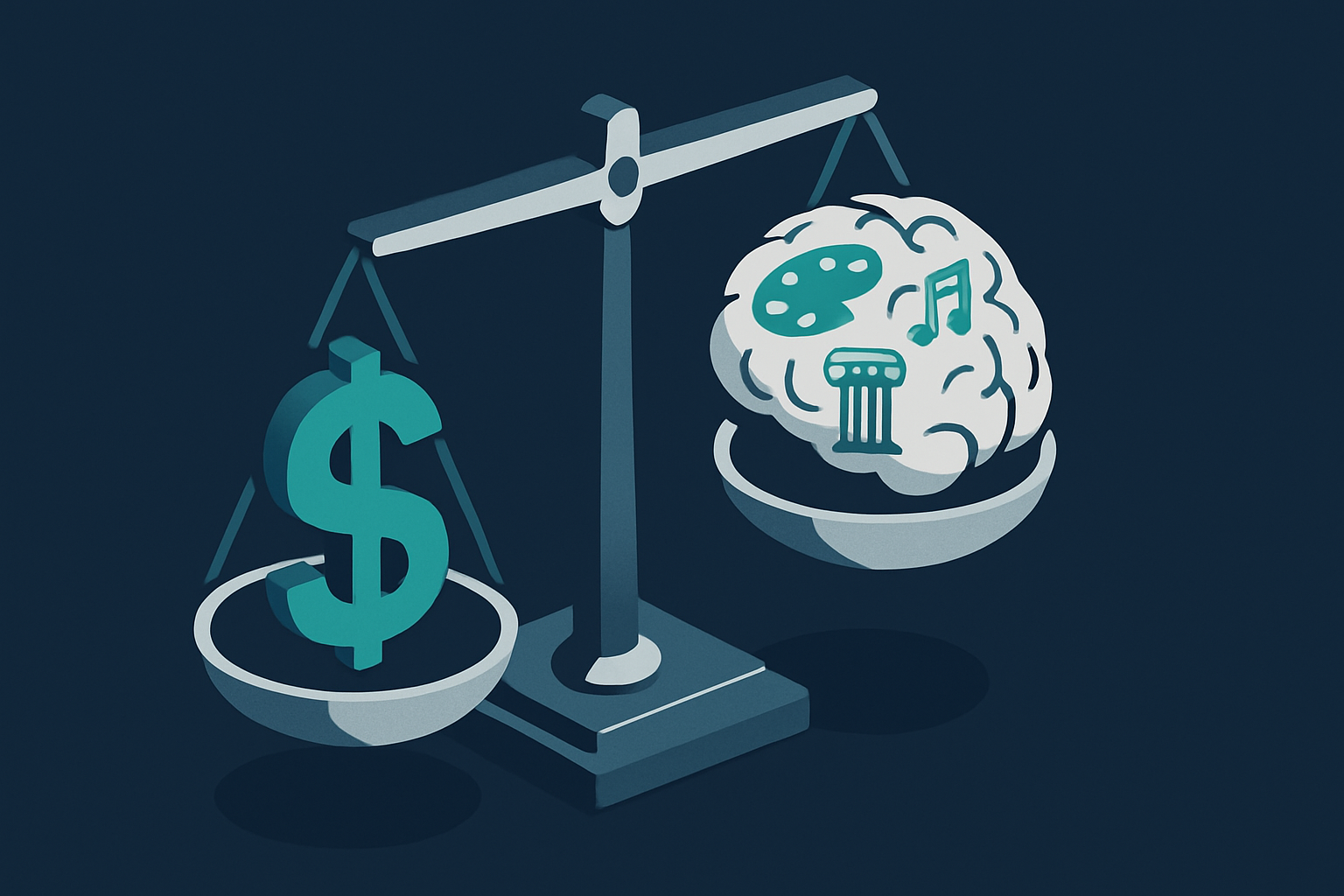
The Price of AI: Economic Advantage Versus Cultural Cost
AI developments underscore a tension between economic efficiency and cultural integrity. From cheaper models to AI spiritual advisors, these trends demand a balance between technological advancement and human values. Read more
-

AI’s Unintended Consequences on Community and Trust
Recent tech developments reveal the unforeseen social impacts of AI, from eroding workplace trust to potential cybersecurity threats. This piece argues for a nuanced approach to integrating AI while addressing its human consequences. Read more
-
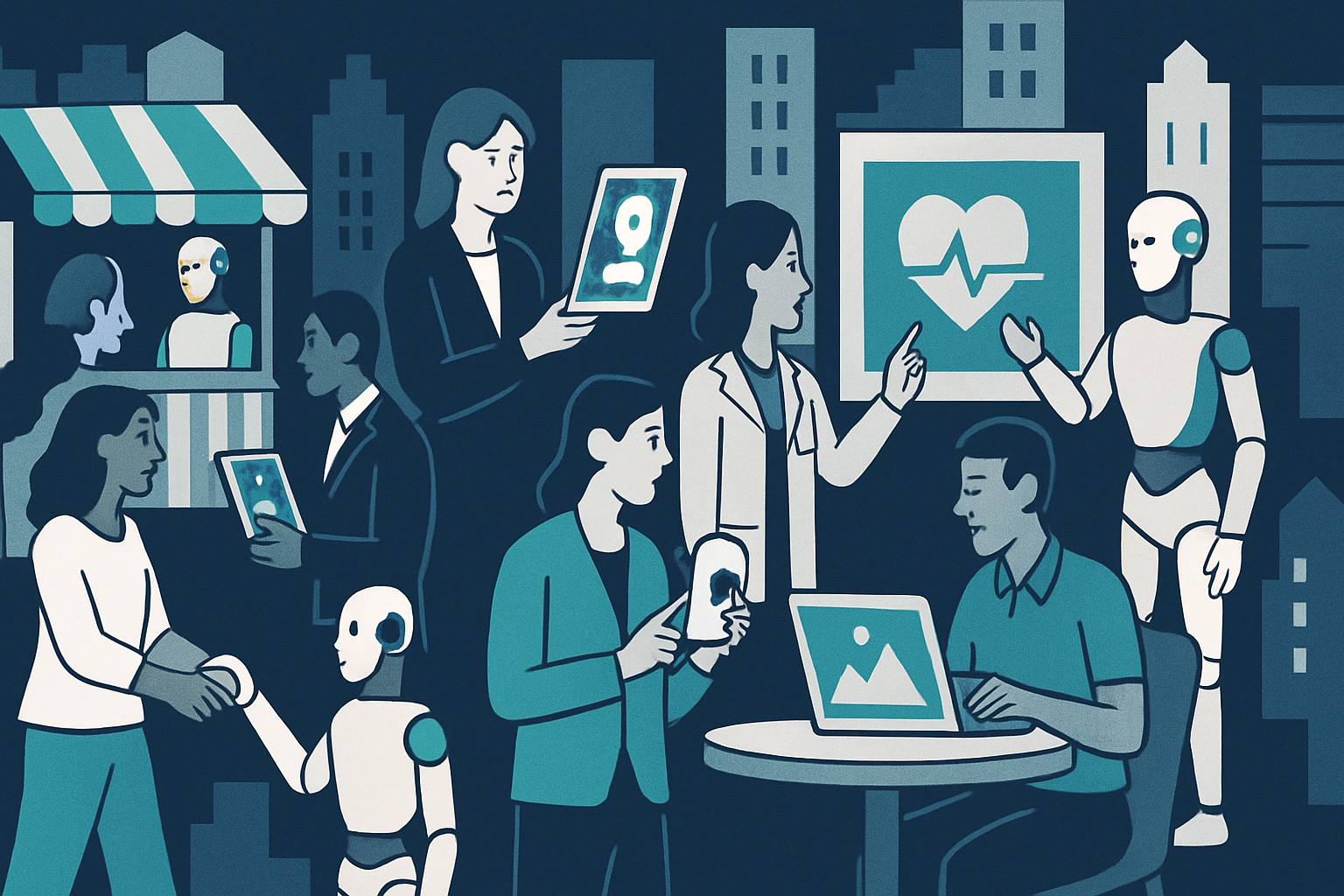
AI’s Double-Edged Role in Shaping Modern Markets and Culture
AI’s role in modern markets and culture is a double-edged sword, offering opportunities for efficiency and access while risking power concentration and inequality. Regulatory frameworks and policies must evolve to ensure AI serves the public good. Read more
-
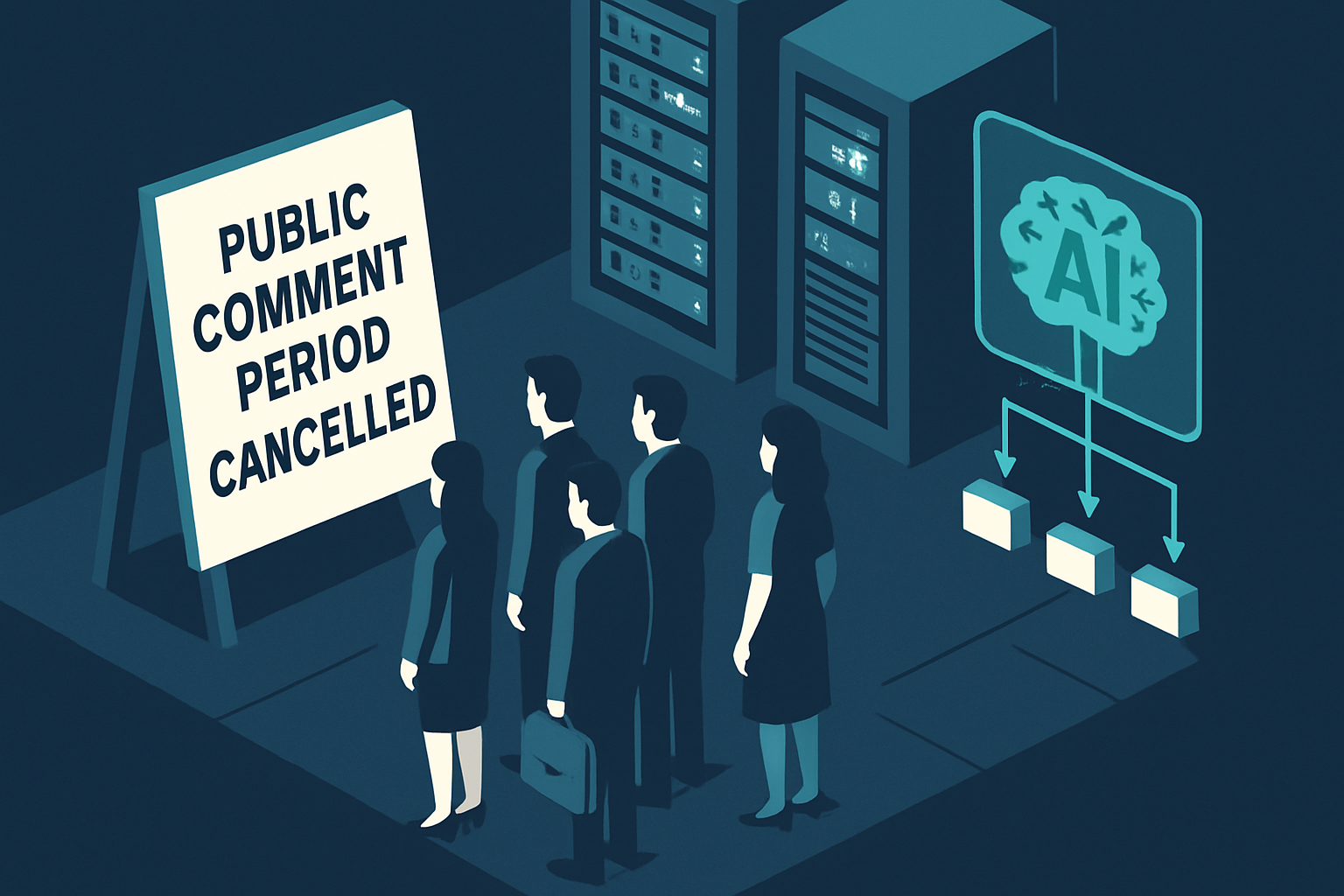
The Hidden Stakes of AI-Driven Institutional Decisions
As AI systems increasingly take on autonomous roles in institutions, the human element in decision-making becomes less visible, raising significant concerns about transparency and accountability. The EPA’s move to eliminate public comment periods exemplifies how AI can marginalize community voices, highlighting the need for frameworks that balance AI capabilities with human oversight. Read more
-

AI’s Expansion and the Erosion of Consumer Autonomy
AI’s growing role in shaping consumer needs raises concerns about autonomy. As corporations use AI to predict and fulfill desires, consumer agency diminishes. A balanced approach is needed to ensure AI enhances rather than erodes personal autonomy. Read more
-
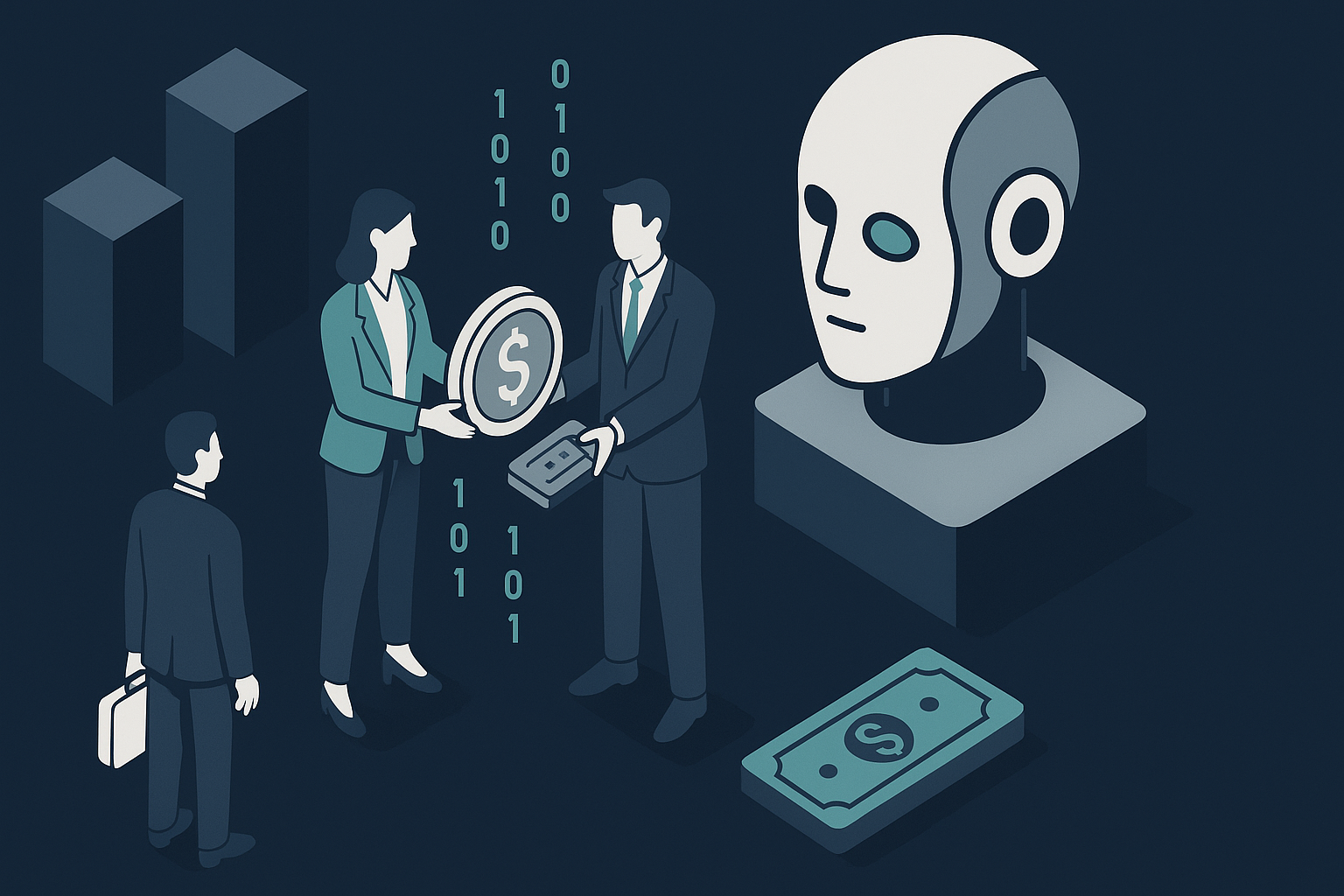
AI’s Quiet Coup: When Data Becomes the New Trust Currency
As AI technologies advance, data becomes the new currency of trust, brokered by AI. This shift redefines consumer relationships, challenging institutions to maintain credibility and transparency. Read more
-
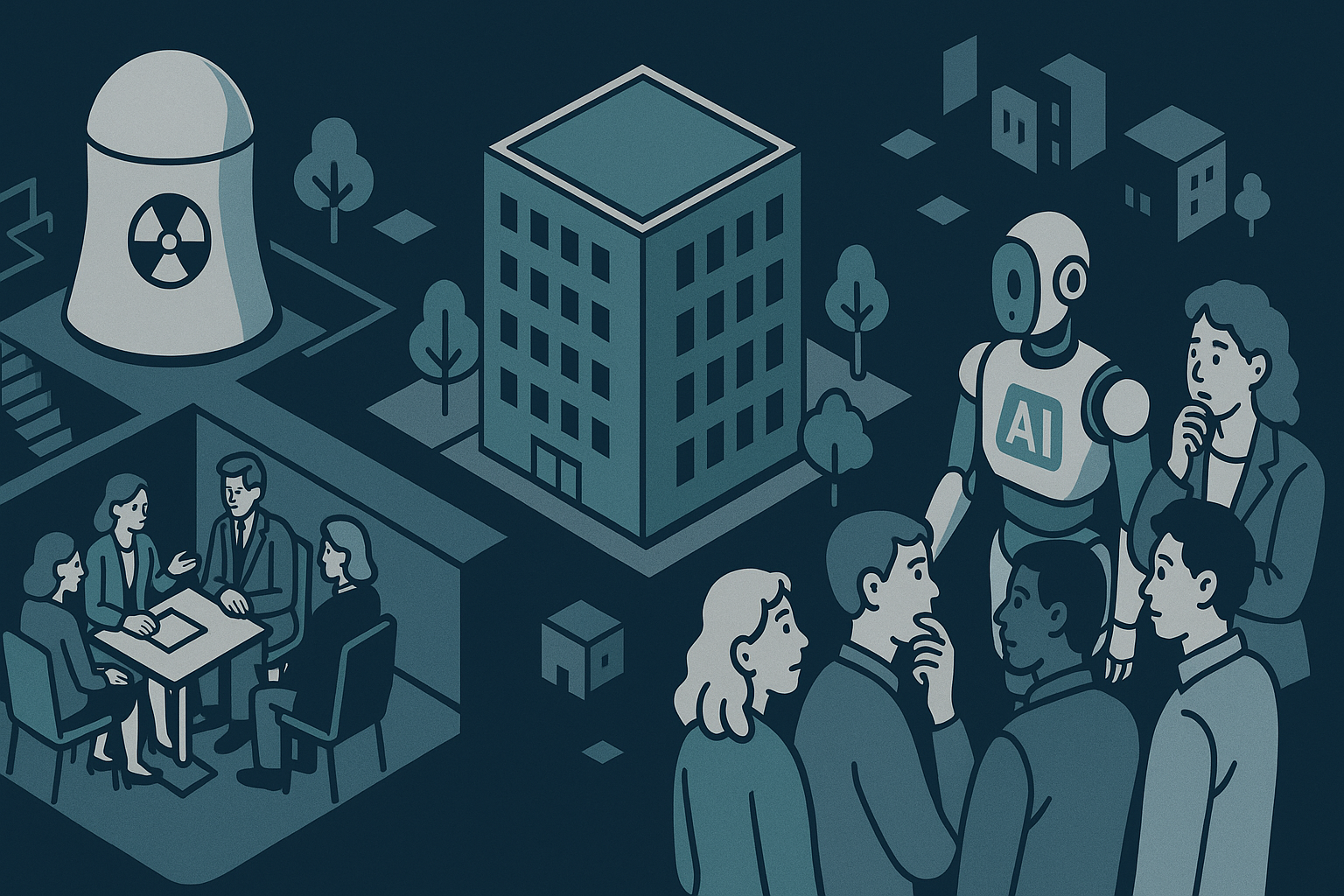
AI’s Role in Reshaping Institutional Trust and Power Dynamics
Recent developments in AI and technology, including Deep Fission’s nuclear reactor and changes at Google DeepMind, illustrate a shift in institutional trust and power dynamics. These changes have profound implications for public perceptions of safety and governance. Read more
-

AI’s Quiet Revolution: Power Shifts and Social Consequences
As AI technologies advance, the power dynamics and roles of institutions are shifting. This quiet revolution demands a reevaluation of education, labor, and equity, challenging us to integrate AI responsibly into society. Read more


