
Category: Industry & Economics
How technology reshapes markets, labor, capital allocation, and business models. Analysis of who gains, who loses, and what the mechanisms actually are.
-

AI Agents as Persistent Digital Workers: Economic Implications
AI agents are evolving into persistent digital workers, redefining digital labor and reshaping capital allocation. The economic implications are profound, requiring adaptation from businesses and regulators to ensure equitable distribution of benefits. Read more
-

AI and the Strategic Realignments in Tech Partnerships and Education
Recent shifts in AI strategy by Nvidia, Harvard, and Instinct reveal new dynamics in tech partnerships, education, and consumer AI markets. These moves reflect broader economic trends of consolidation and innovation in the AI sector. Read more
-
The High Cost of AI: Who Gains in the New Monopoly Era?
Recent AI sector developments show a trend of consolidation, with power and resources concentrating in a few dominant firms. This raises concerns about economic concentration and societal impacts, highlighting the need for regulatory intervention. Read more
-

AI’s Role in Transforming SaaS and Legal Markets: Growth and Competition
AI is reshaping SaaS and legal markets by enhancing efficiency and creating new revenue streams. This dual role of AI presents growth opportunities while also raising competitive and labor market challenges. Read more
-
AI’s Acceleration in Compute Efficiency and Market Dynamics
Recent developments in AI signal a transformative shift in economic paradigms. From Nvidia’s chip efficiency to compute futures trading and Porsche’s AI investment, the landscape is evolving towards more efficient and economically viable AI integration. Read more
-
AI and the Shifting Balance of Power in Labor Markets
AI’s impact on labor markets is reducing workers’ bargaining power, leading to slower wage growth for AI-exposed roles. While employment remains stable, the economic shift signifies a transfer of power from labor to capital. Read more
-

AI’s Dual Impact on Trade and Firm Productivity: A Closer Look
AI is reshaping international trade and firm productivity in complex ways. While it lowers trade barriers and promises efficiency, uneven data access and inconsistent productivity gains highlight the need for regulatory and strategic realignment. Read more
-
AI’s Role in Shaping the Future of Transportation and Coding Platforms
Recent developments in autonomous vehicles and code-hosting platforms reveal AI’s transformative role in reshaping industries. From last-mile delivery to software development, AI-driven advancements promise enhanced efficiency and innovation. Read more
-
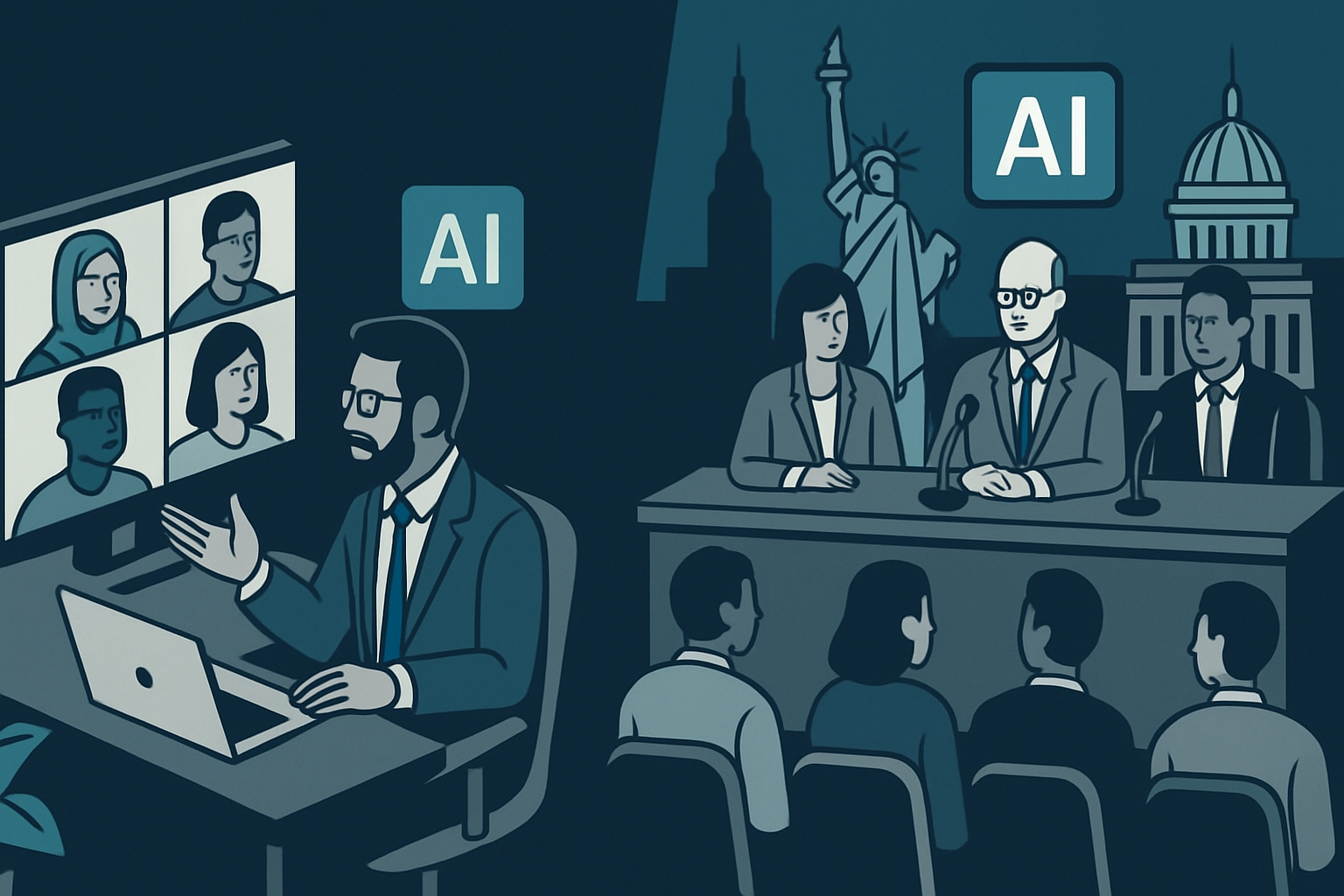
AI’s Global Expansion: Opportunity and Regulatory Challenges
AI’s global expansion is decentralizing innovation, creating new opportunities and challenges. New York’s regulatory push and strategic moves by financial institutions highlight the importance of transparency and expertise in harnessing AI’s potential. Read more
-

AI’s Role in Intensifying Urban Inequality and Labor Displacement
AI’s economic influence in San Francisco is driving housing costs to unsustainable levels and displacing entry-level jobs. Policy intervention is needed to address these inequities and ensure broad-based economic benefits. Read more


