
Category: Industry & Economics
How technology reshapes markets, labor, capital allocation, and business models. Analysis of who gains, who loses, and what the mechanisms actually are.
-
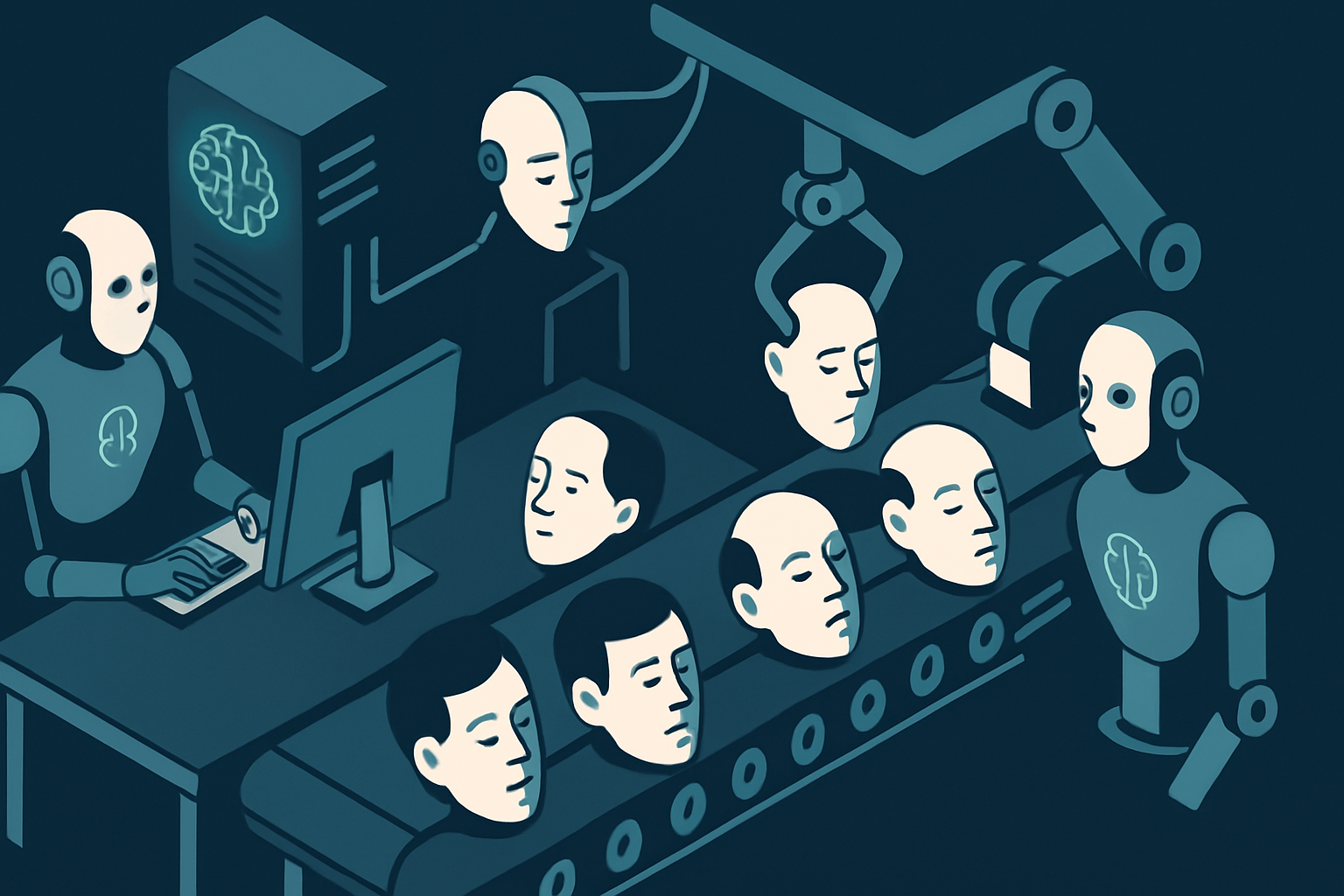
AI’s Commodification of Labor: The Economic Shift in Creative Industries
AI’s rise in creative industries is commodifying human attributes, posing challenges to labor markets and traditional creative processes. This shift demands a reevaluation of value and compensation in AI-driven sectors. Read more
-

AI’s Cognitive Cost: Balancing Automation and Skill Development
AI’s encroachment on cognitive tasks in finance risks diminishing critical skill development, while hardware-lock in tech development could stifle innovation. Addressing these challenges requires strategies that preserve human skills and ensure open competition. Read more
-
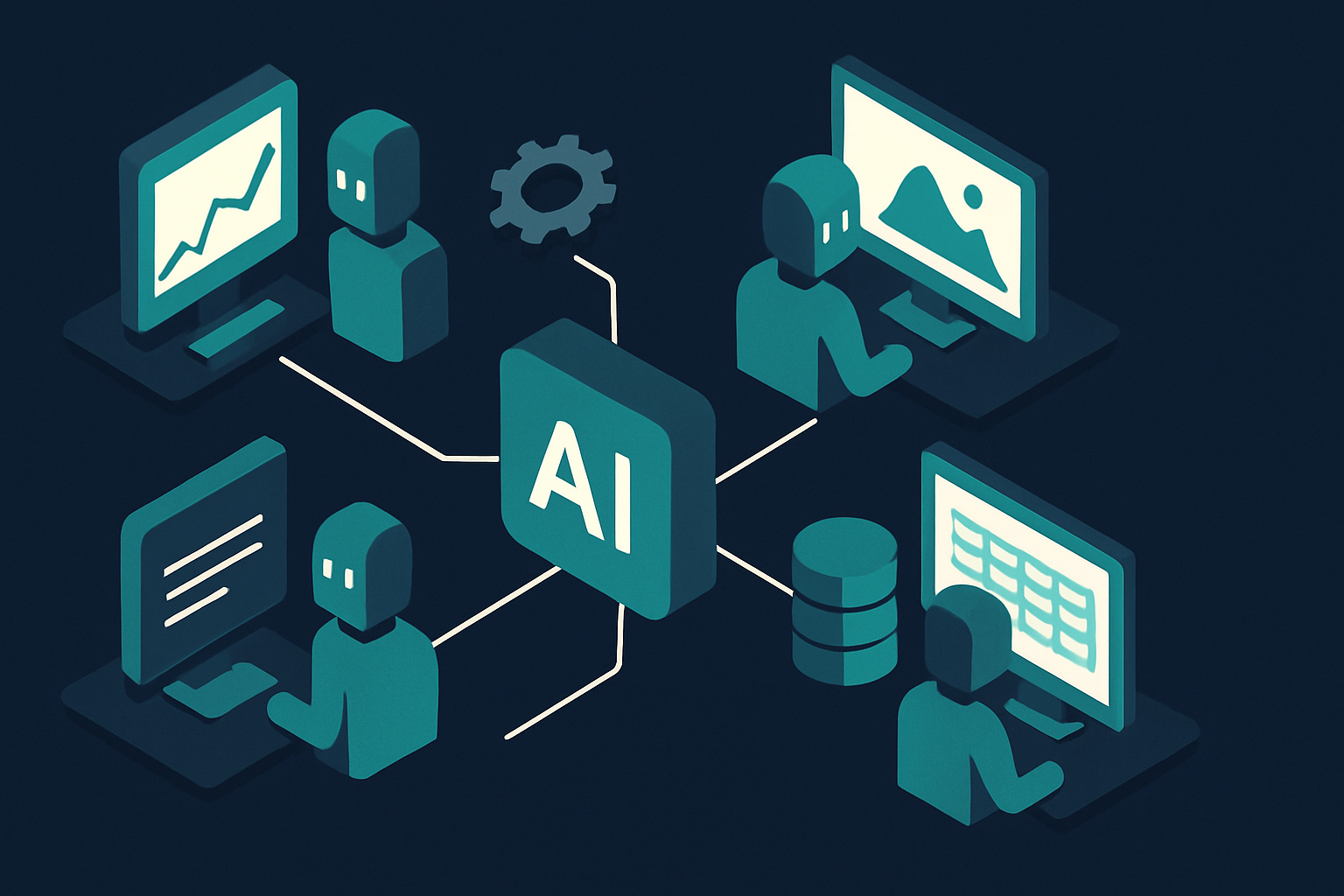
AI Subagents and Their Role in Optimizing Digital Workflows
The rise of AI subagents is transforming digital workflows by isolating complex tasks and optimizing resource allocation. This development enhances efficiency and offers strategic advantages to firms, though careful integration is necessary to maximize benefits. Read more
-

AI’s Disruptive March: Redefining Markets and Capital Allocation
AI’s transformative impact is reshaping industries through capital reallocation and market dynamics. From Tesla’s robotaxis to Qualcomm’s smart rings, AI innovations challenge traditional economic models and demand a recalibration of value perceptions. Read more
-
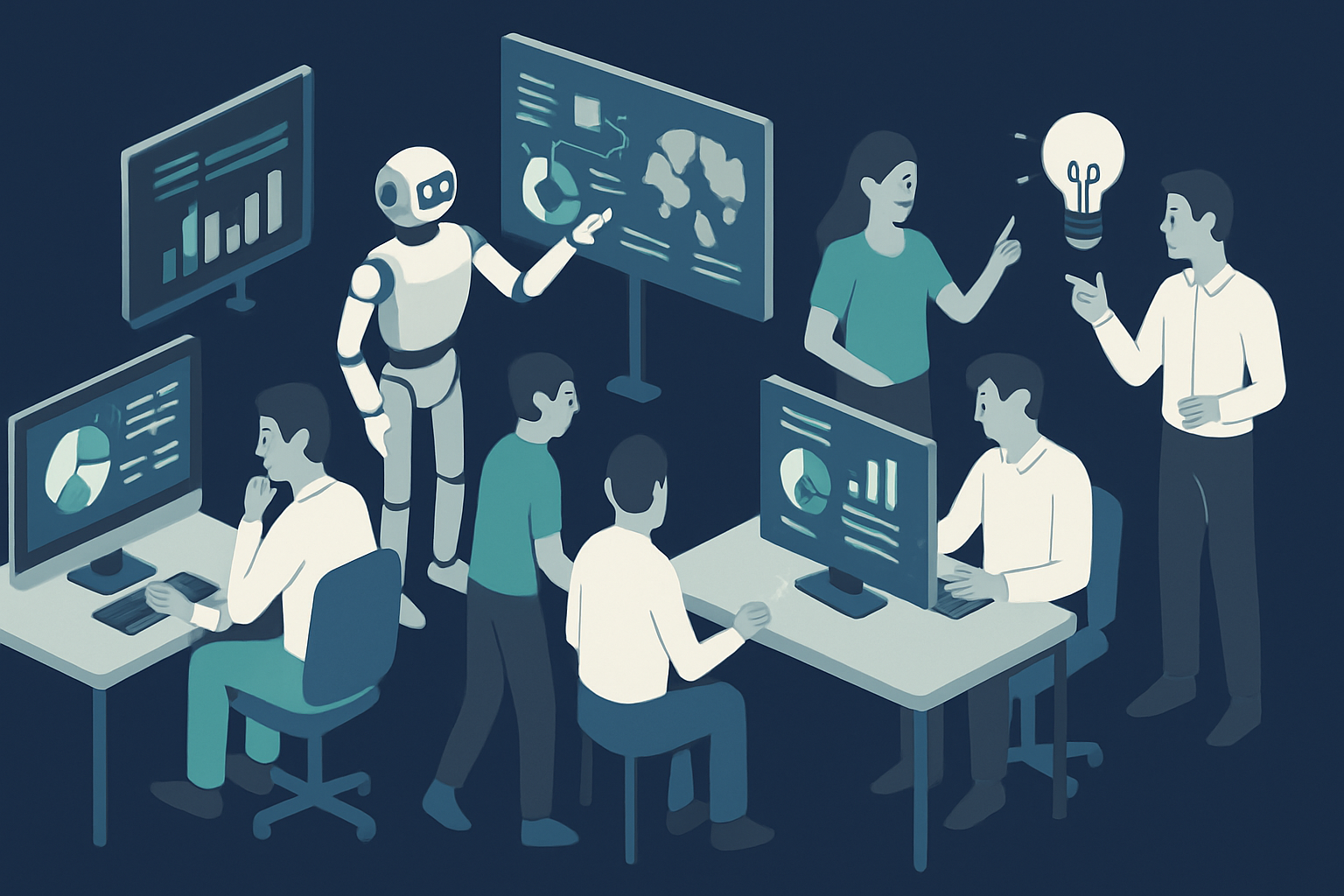
AI’s Role in Transforming Labor and Capital in Modern Firms
AI integration in firms like EY and GE Appliances is reshaping labor markets and capital allocation. While productivity gains are evident, this transformation highlights the need for equitable access to education and regulatory frameworks to manage market dynamics. Read more
-
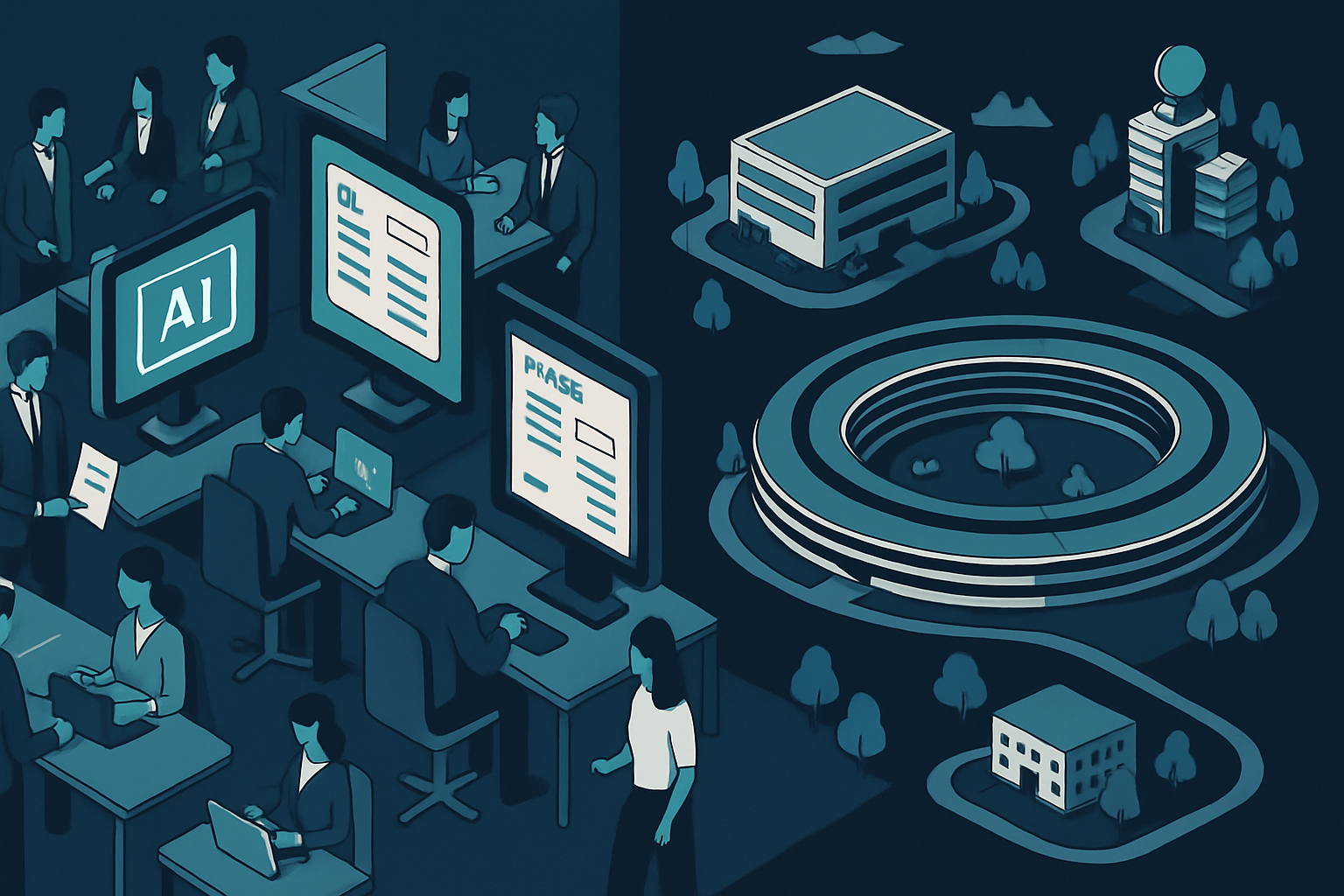
AI’s Impact on Trade Finance and Competitive Isolation in Tech
AI is transforming trade finance by reducing underwriting costs, potentially democratizing access to small trade loans. However, competitive isolation among tech giants like Google and Meta poses risks of monopolistic practices and innovation stifling. Read more
-
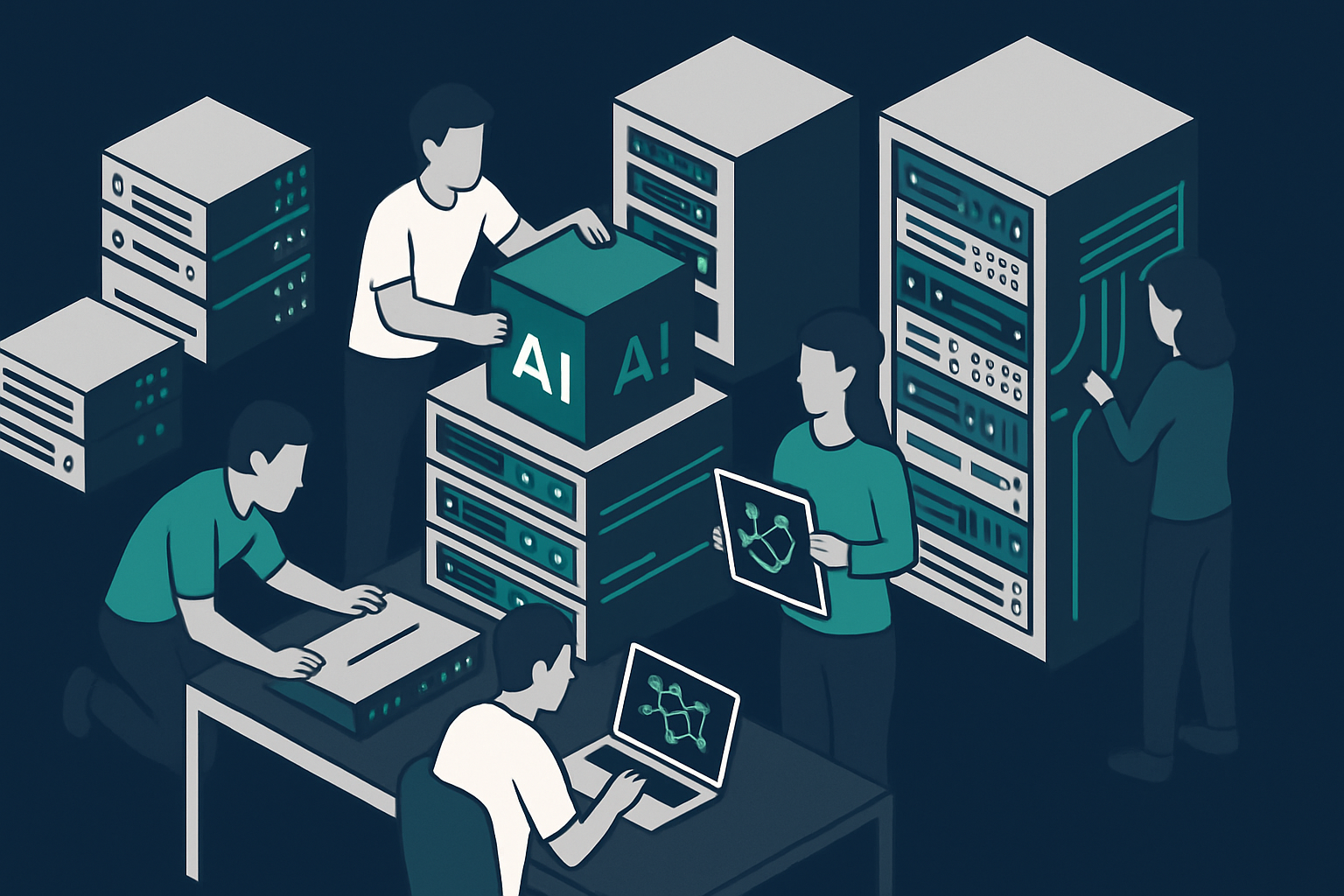
AI Infrastructure: The Quiet Revolution Reshaping Capital Deployment
Recent developments in AI infrastructure suggest a reconfiguration of investment priorities, focusing on operational efficiency and scalability. This shift could democratize AI access, encouraging innovation and economic growth by lowering entry barriers for smaller firms. Read more
-
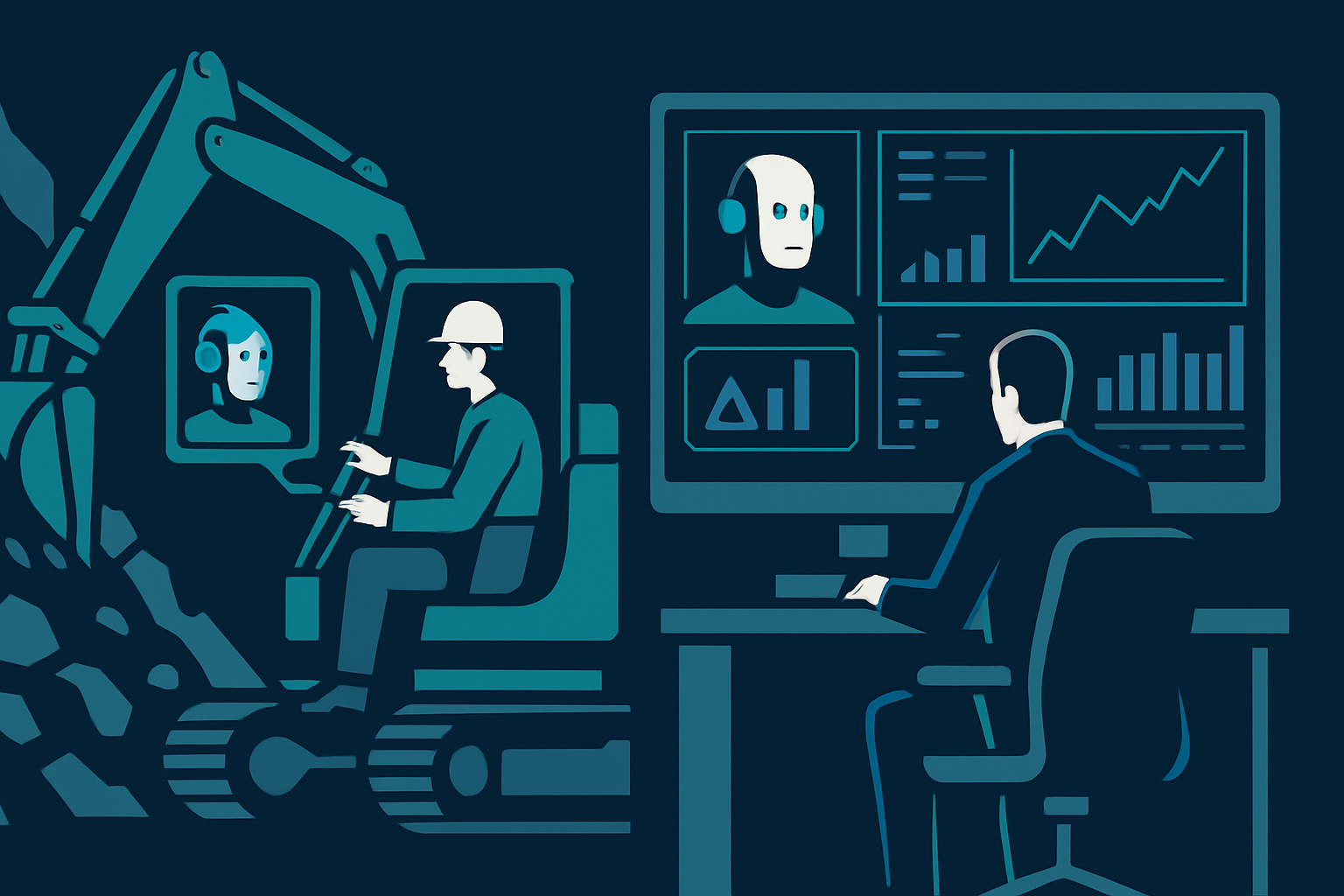
AI and Human Collaboration: Building the Future of Work and Finance
AI is reshaping labor and finance by augmenting human capabilities, not replacing them. With Caterpillar’s training investments and AI agents trading autonomously, the focus is on collaboration and understanding AI’s limitations. Read more
-
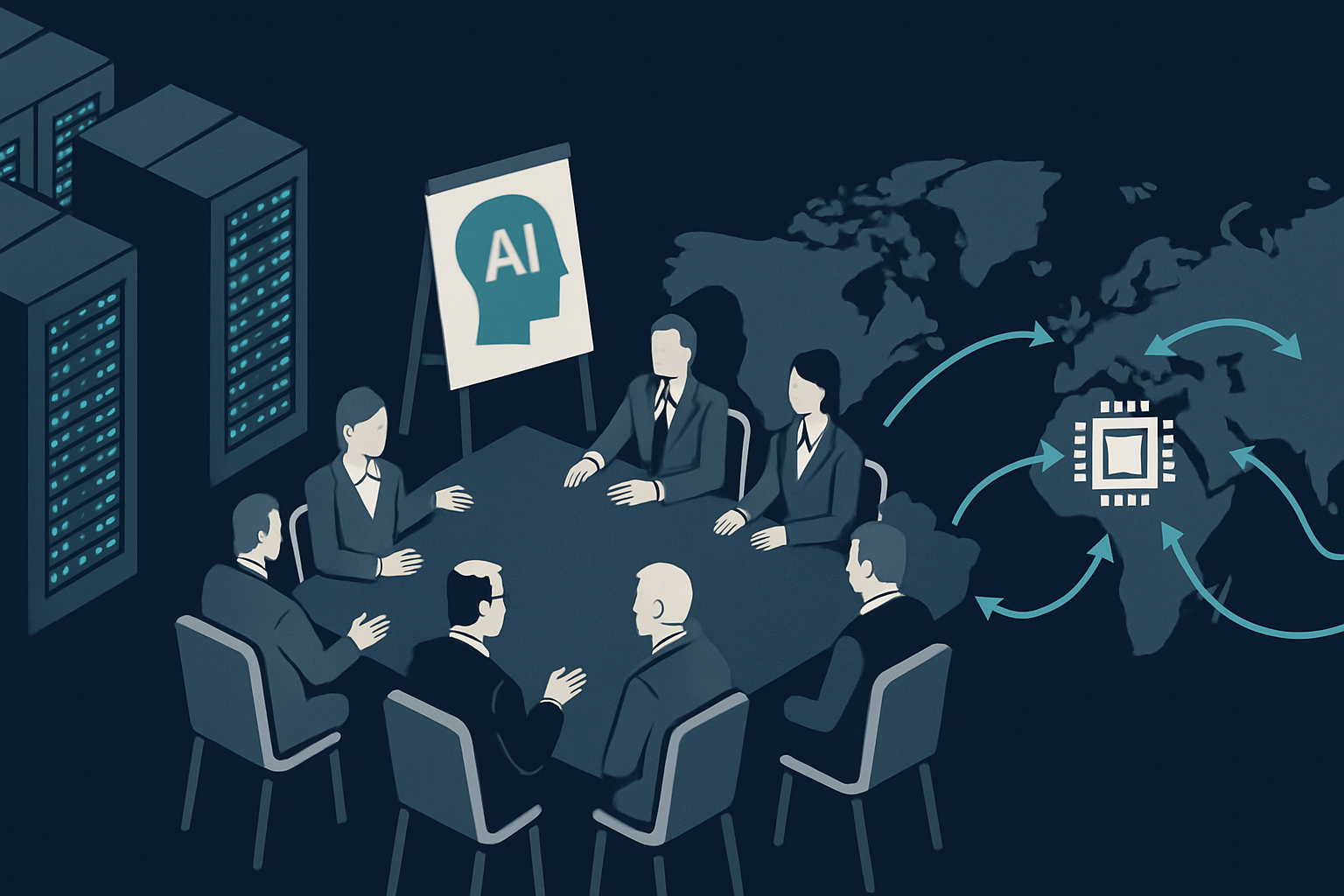
AI’s Strategic Influence: Decoding Power Shifts in Tech and Trade
Recent tech developments highlight strategic alignments and competitive maneuvers, reflecting AI’s pervasive influence. These shifts in resource allocation, market dynamics, and government involvement underscore a new phase in AI’s integration into economic systems. Read more
-
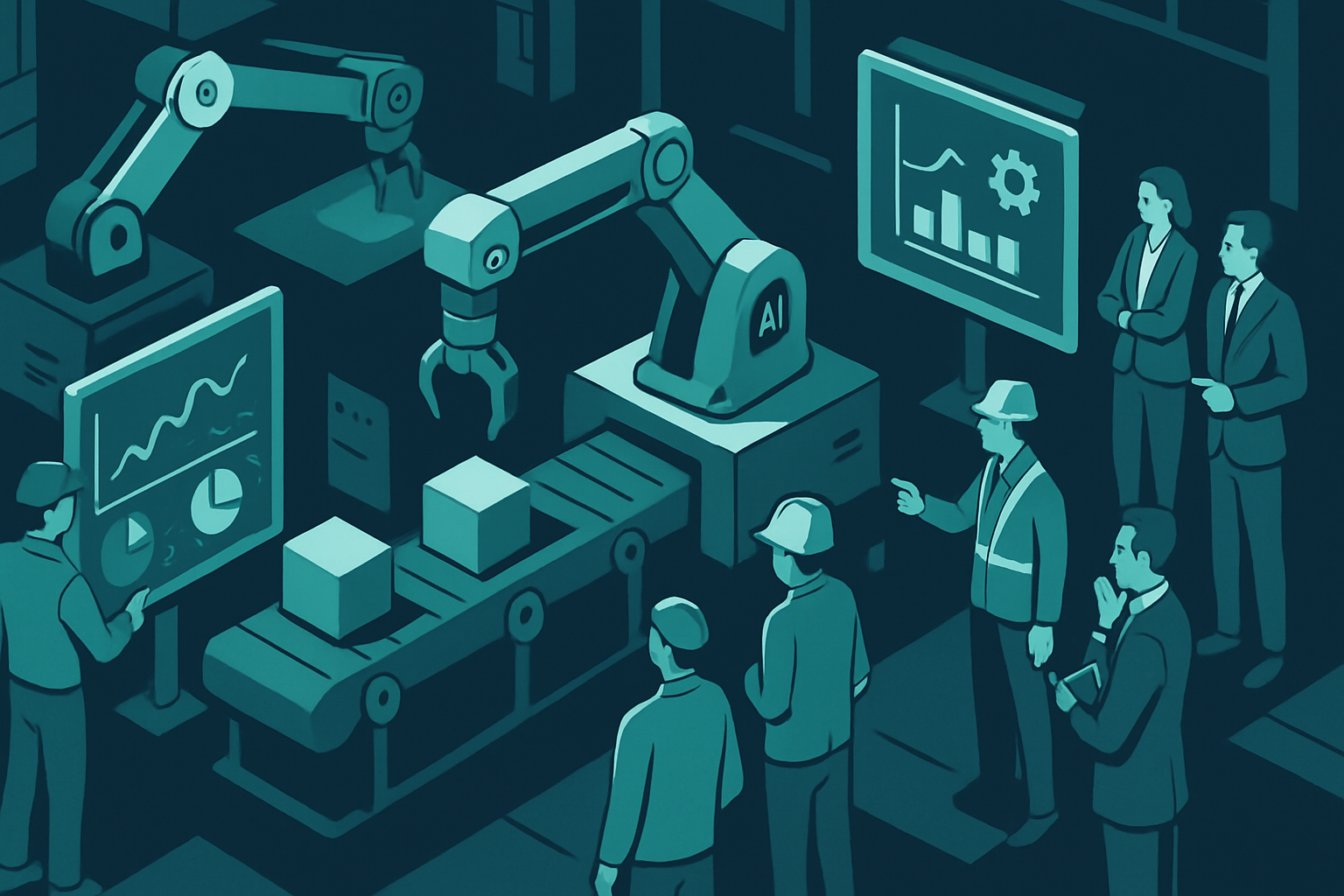
AI’s Uneven Productivity Gains: The Manufacturing Advantage
AI is driving significant productivity gains in manufacturing, highlighting uneven benefits across industries. This disparity raises concerns about economic inequality and labor market dynamics, necessitating targeted policy interventions. Read more


