
Category: Industry & Economics
How technology reshapes markets, labor, capital allocation, and business models. Analysis of who gains, who loses, and what the mechanisms actually are.
-
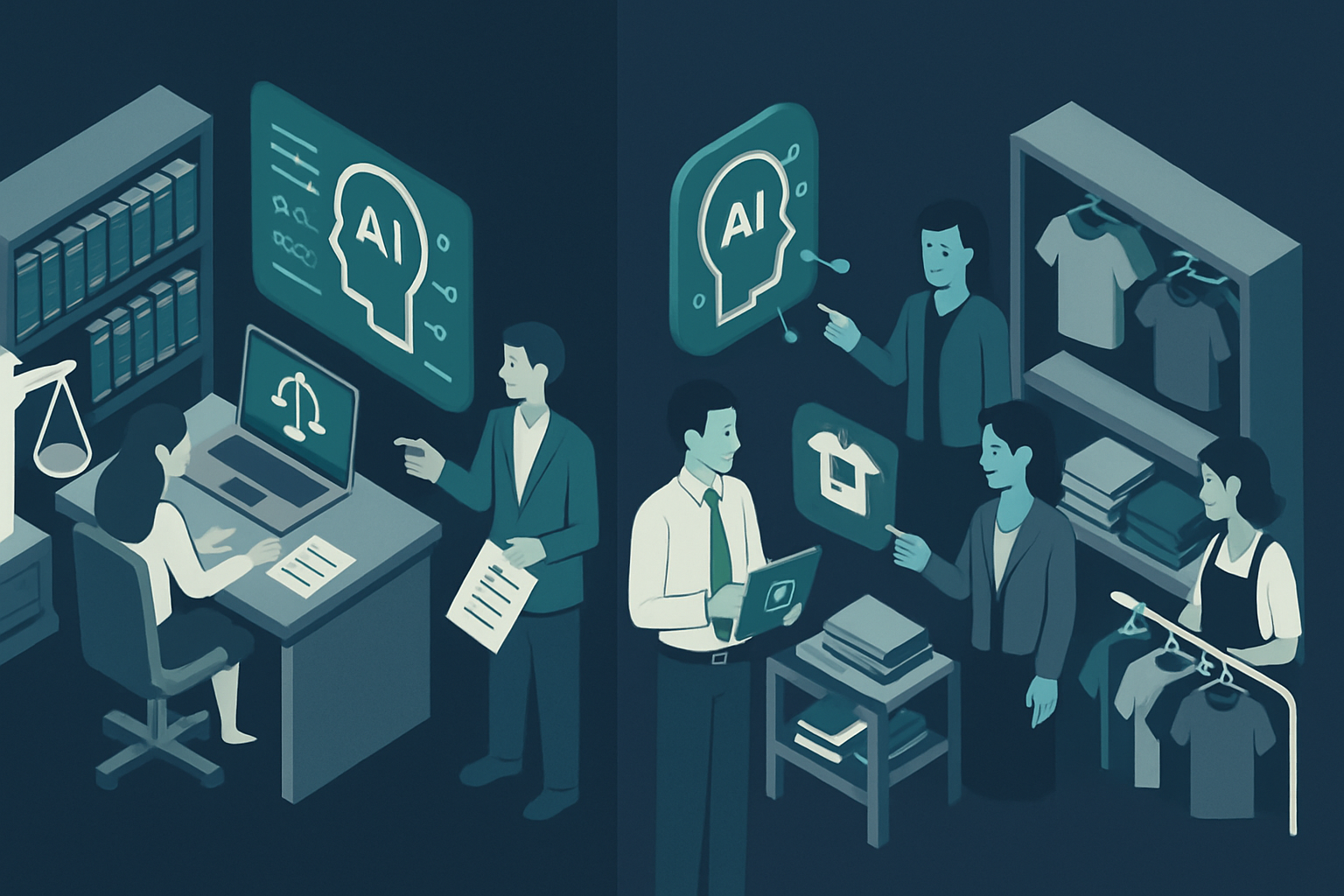
AI’s Influence on Service Industries: From Legal to Retail
AI’s integration into service industries, epitomized by OpenAI’s Astra for Law and Walmart’s retail platform, is reshaping operations and market dynamics. This shift democratizes access to advanced tools, leveling the playing field while raising concerns about data control and power concentration. Read more
-

AI Agents and the New Economic Participation: A Structural Analysis
AI agents are stepping into economic roles, facilitated by platforms like Circle’s Arc. This shift could enhance market efficiency but requires careful management to ensure equitable benefits. Read more
-

AI and the New Dynamics of Venture Capital Funding
The recent surge in AI startup funding highlights a strategic shift in venture capital towards AI-driven innovations. This trend suggests a reallocation of capital that could reshape economic power and industry dynamics. Read more
-

AI’s Evolving Role in Financial Systems: Efficiency or Illusion?
Singapore’s central bank highlights AI’s role in financial systems, yet the promised productivity gains remain elusive. Effective AI deployment involves strategic integration, democratizing access, and ensuring shareholder value. Read more
-

AI in Advertising and Legal Services: A New Economic Frontier
AI’s integration into advertising and legal services is driving efficiency and productivity gains but also raises concerns about power centralization and job displacement. Regulatory frameworks are needed to ensure fair distribution of benefits and protections for workers. Read more
-

AI’s Impact on Financial Markets: Beyond the Hype and Valuations
AI investment in financial markets is soaring, but current valuations seem detached from economic fundamentals, echoing past bubbles. A disciplined investment approach is crucial to avoid speculative missteps. Read more
-
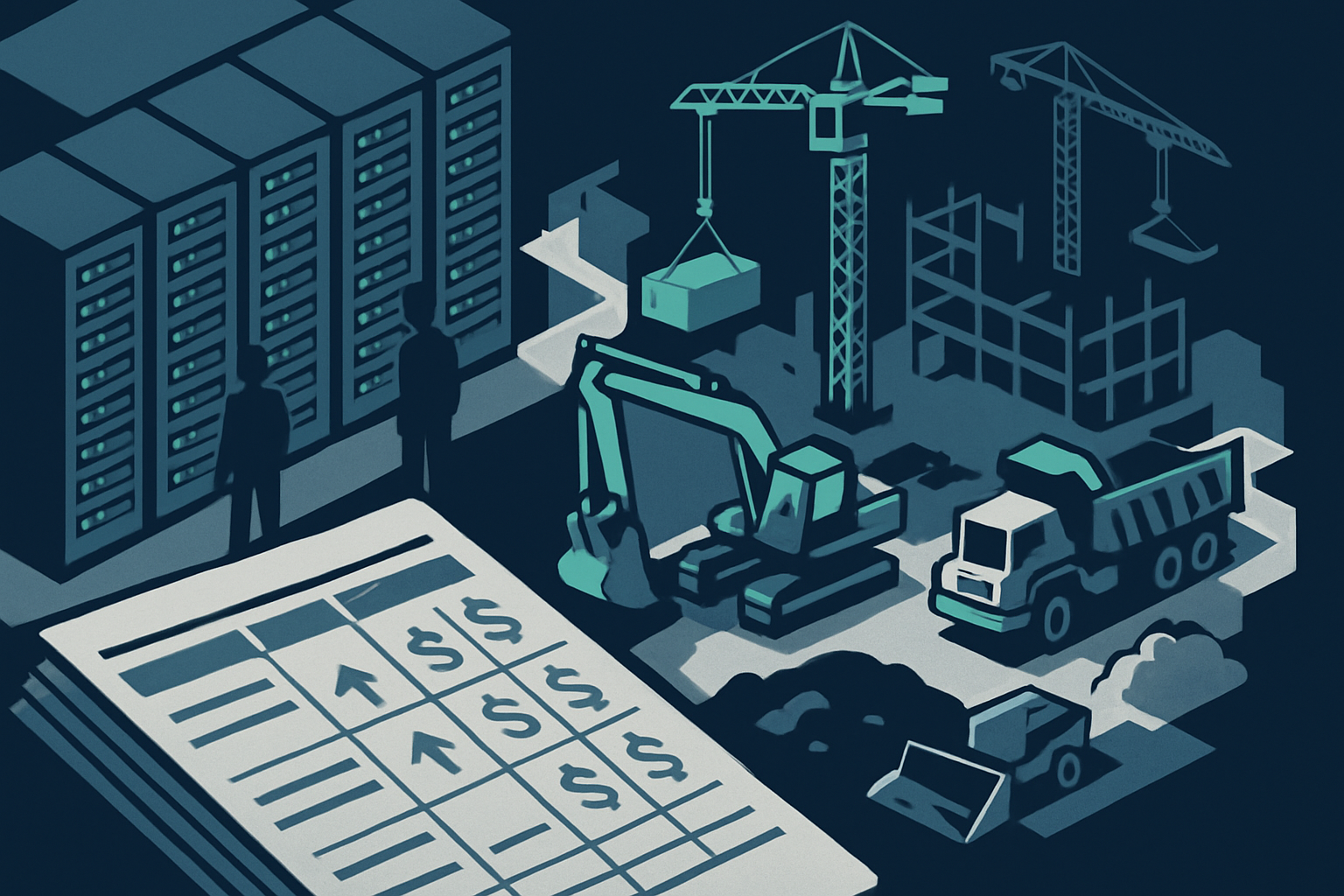
AI’s Capital Gamble: Infrastructure Investments and Economic Realities
AI-driven infrastructure investments are reshaping the economic landscape, with companies like Oracle betting on sustained demand growth. However, the speculative nature of these investments raises concerns about financial stability and equitable benefits. Read more
-
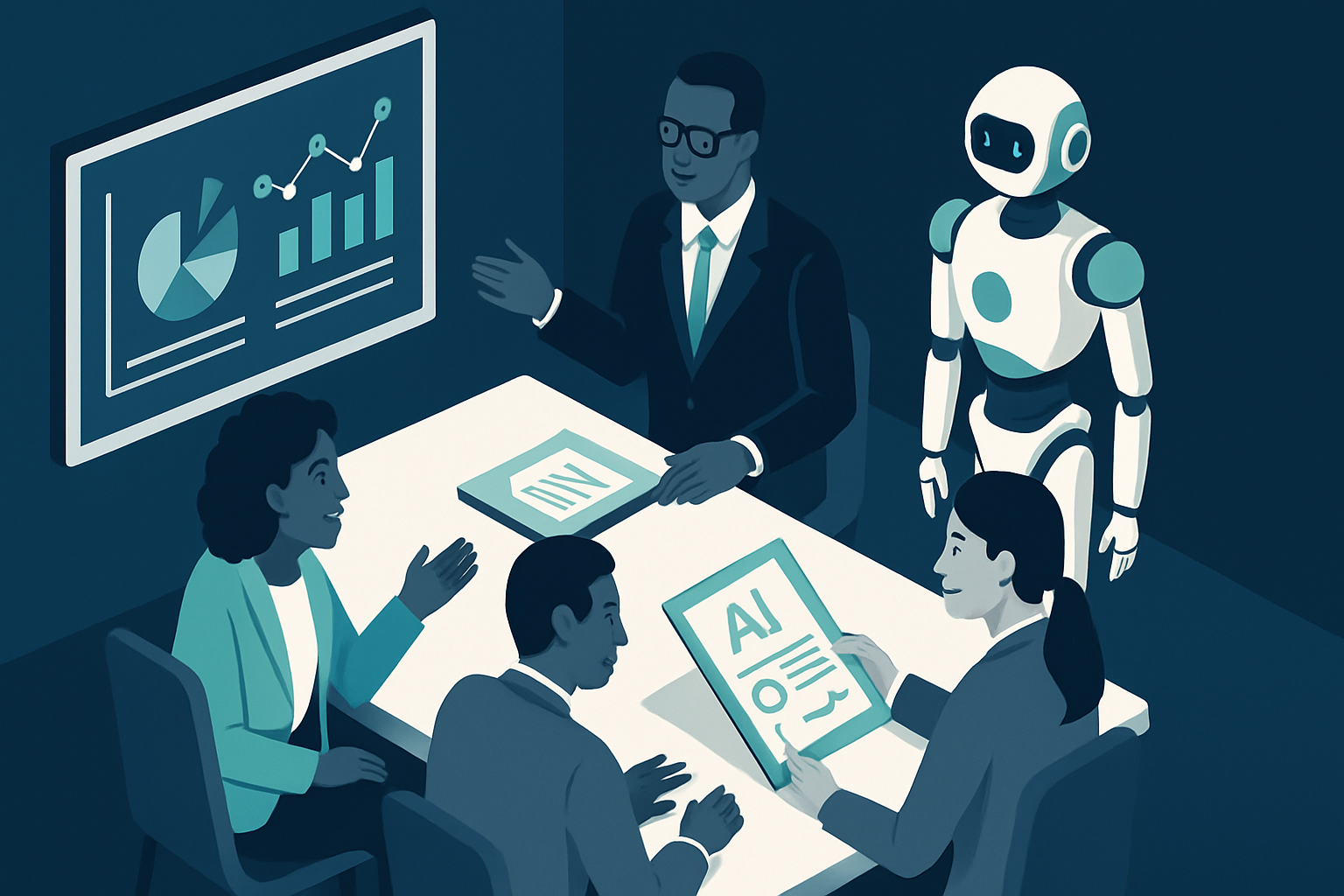
The Economic Shift: AI’s Influence on Contractual and Pricing Models
As AI transforms business operations, firms must rethink contracts and pricing models. This shift from labor-based to AI-augmented systems requires innovative approaches to capture AI’s value. Read more
-
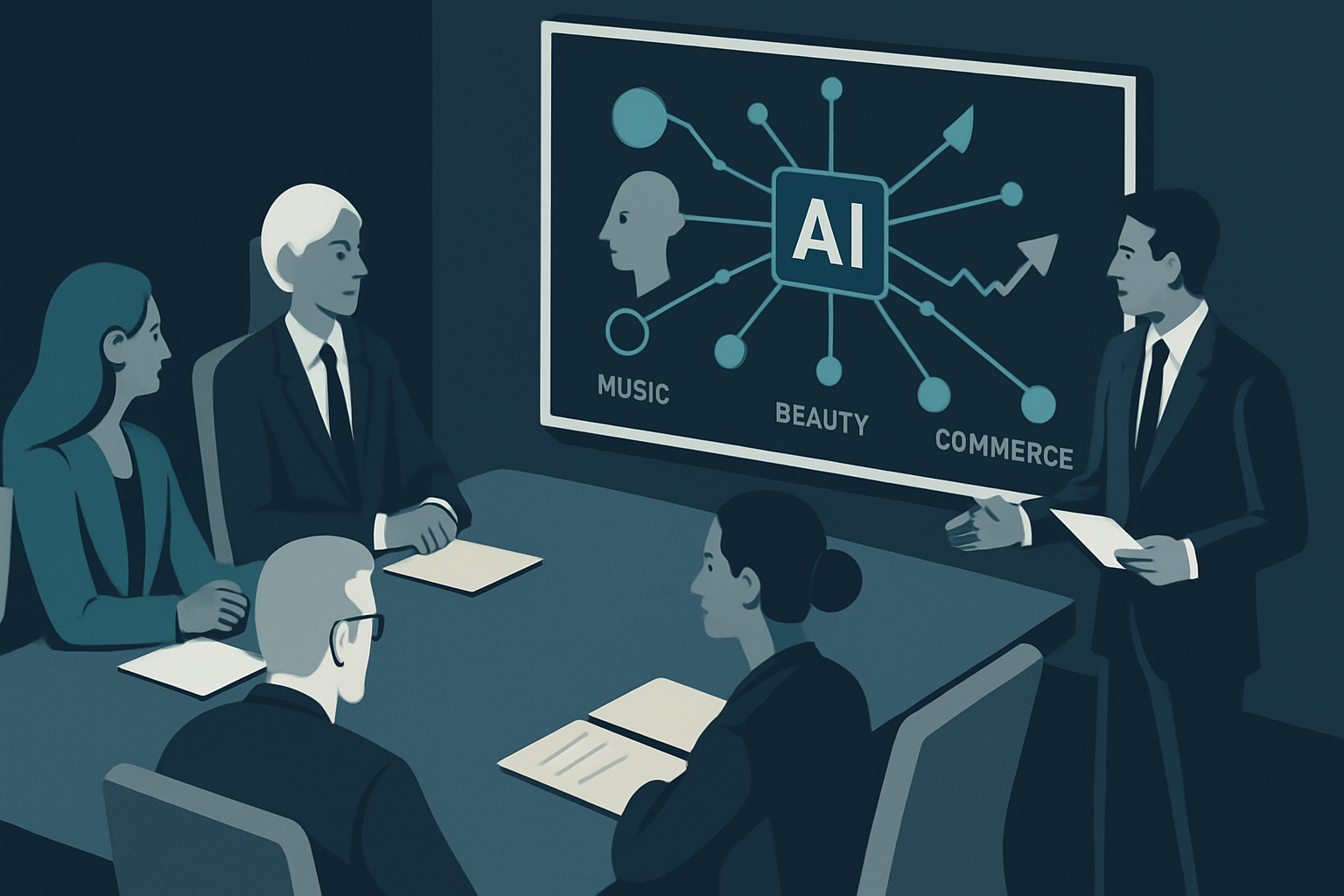
AI Integration: The Economic Transformation of Consumer Industries
AI’s integration into consumer industries like music, beauty, and commerce is reshaping economic relationships and market structures. While offering efficiency gains, it consolidates power among technology owners, raising critical questions about who benefits and who bears the cost. Read more
-
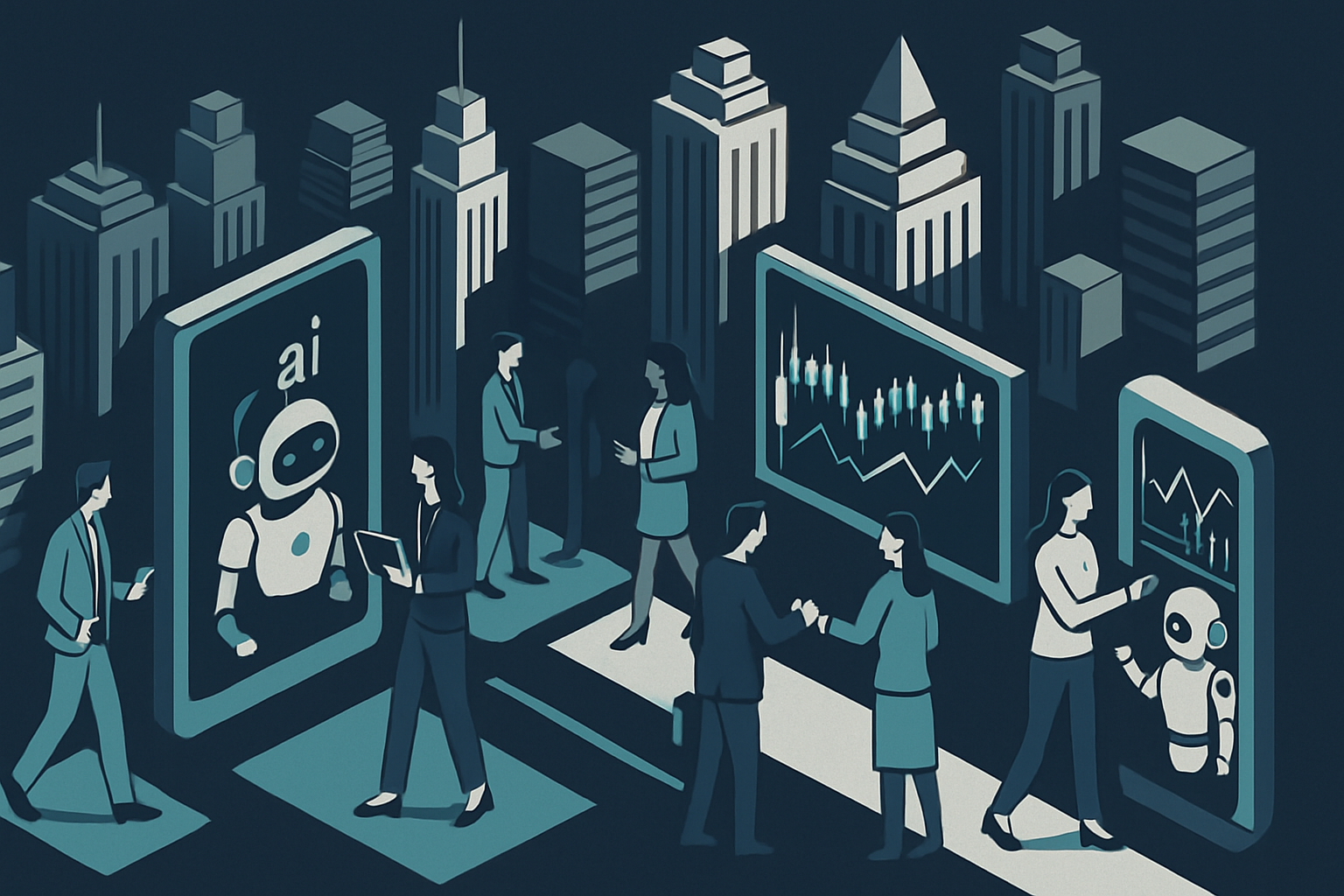
AI’s Role in Shifting Economic Power Dynamics and Investment Priorities
AI is reshaping economic power dynamics and investment priorities, impacting personal finance, labor markets, and capital flows. The integration of AI in financial services and strategic investments in AI infrastructure highlight a shifting landscape. Read more


