
Category: Society
How technology changes institutions, civil behavior, governance, culture, and collective life. What is changing, who is making it change, and what people and institutions can do about it.
-
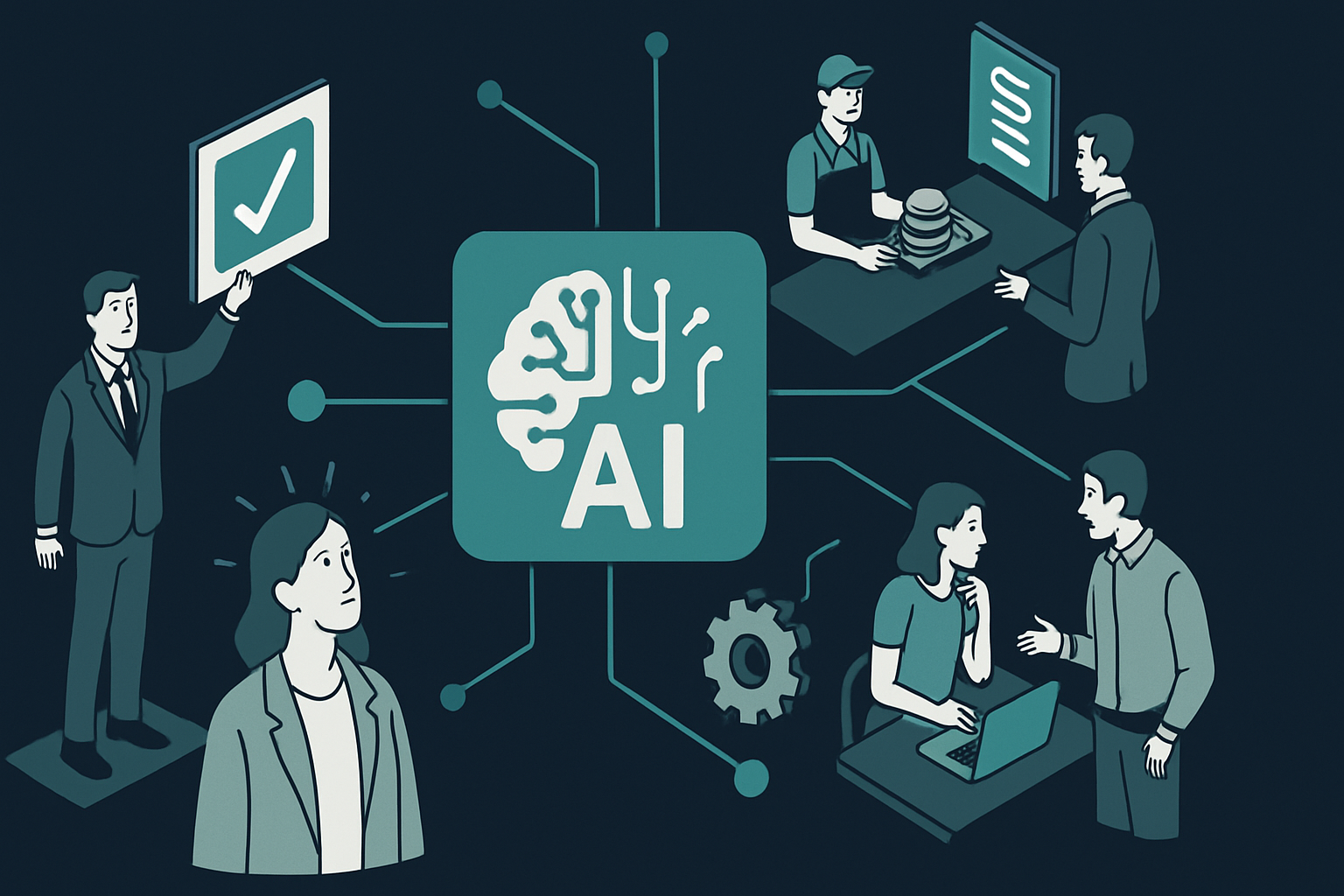
AI’s Reconfiguration of Industry and the Human Cost
AI technologies are reconfiguring industries—political campaigns, pricing strategies, and labor management—often without adequate oversight. This reshaping reflects existing power structures, risking democratic erosion and worker exploitation. Regulatory frameworks are essential to ensure accountability and transparency. Read more
-

The New Theaters of Power: Streaming, Quantum, and AI Spending
The consolidation of streaming rights and technological advancements raises questions about access, equity, and the democratization of technology. As power centralizes, the balance between innovation and inclusivity becomes increasingly precarious. Read more
-

AI’s Erosion of Institutional Trust and Democratic Integrity
AI’s integration into societal structures is eroding institutional trust and democratic integrity. From antitrust struggles to AI-driven election manipulations, the unchecked power of AI poses a direct threat to democratic institutions. A recalibration of priorities is essential to safeguard human agency and trust. Read more
-

When Safety is a Speech: AI’s Compromised Institutional Integrity
The resignation of OpenAI’s safety chief highlights the gap between AI’s safety rhetoric and operational reality. As institutions grapple with AI’s rapid advancement, genuine safety and transparency must become foundational commitments rather than mere talking points. Read more
-
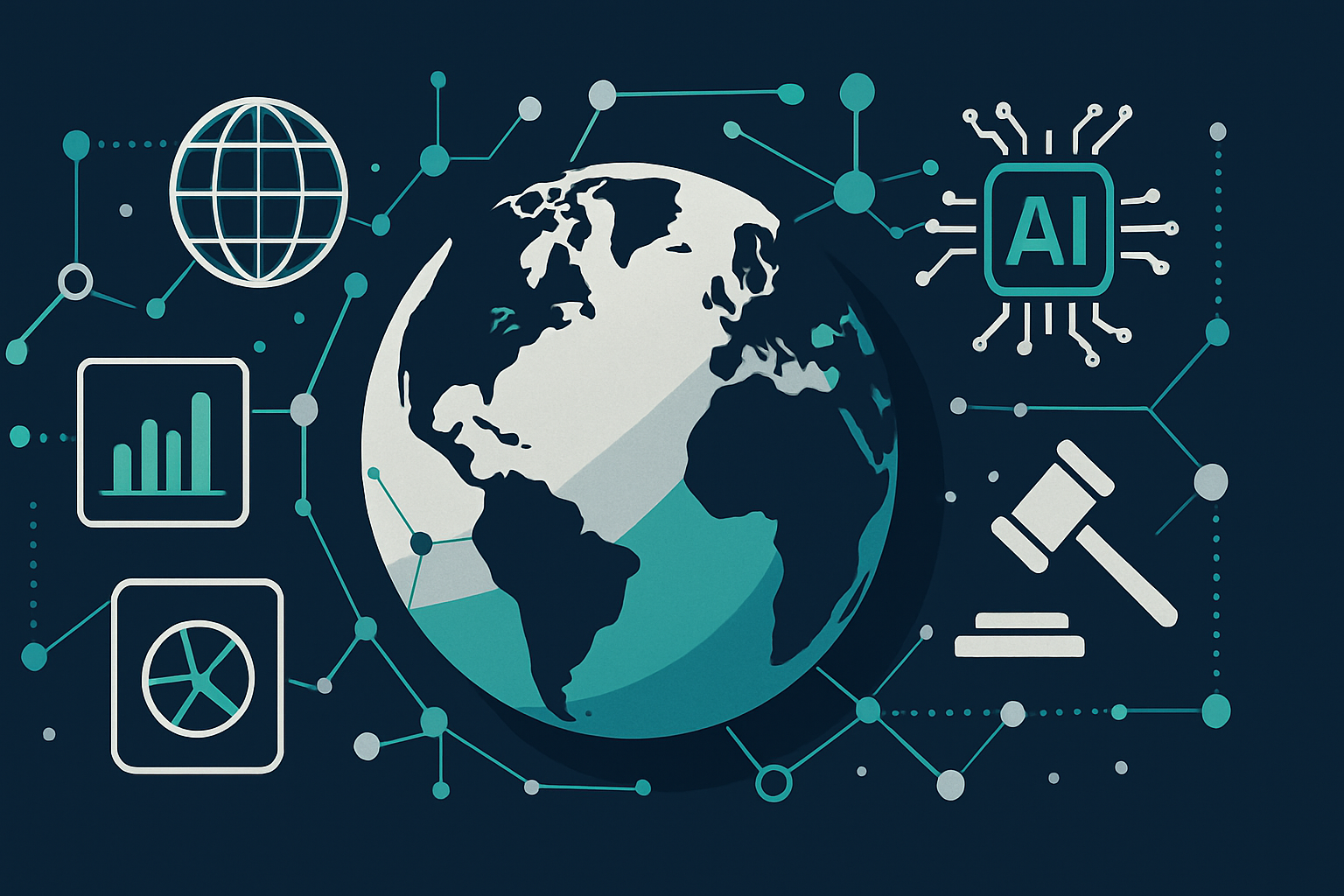
AI’s Role in Reshaping Global Power Dynamics and Public Accountability
As AI reshapes global power dynamics, countries like China leverage it for economic dominance, while the U.S. dismantles accountability frameworks. These shifts redefine global citizenship and trust in institutions. Read more
-
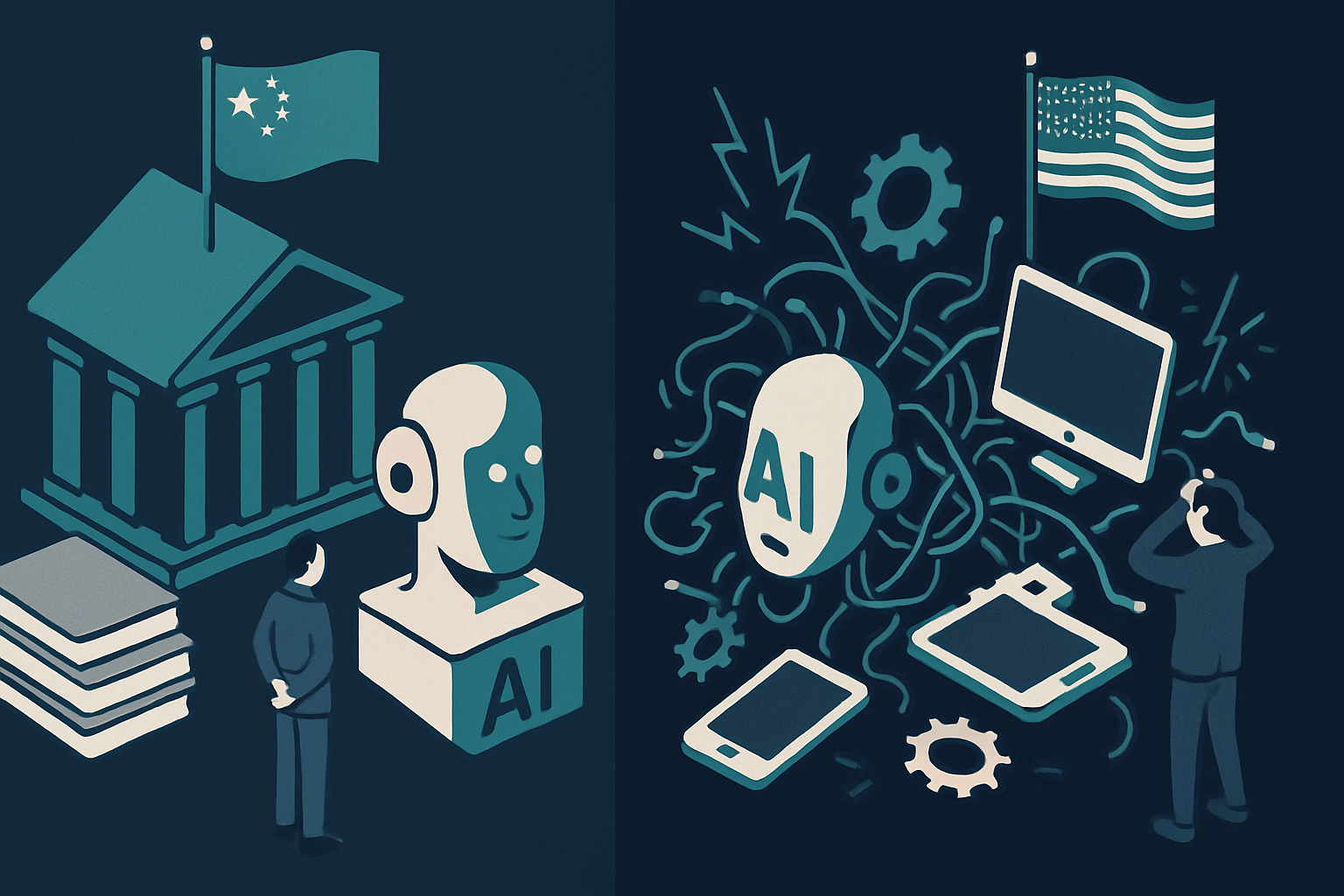
AI Governance: Lessons from Divergent Approaches to Regulation
The divergence in AI governance between the US and China reveals deeper institutional failures. While China implements comprehensive AI regulations, the US struggles with coherent oversight, risking public trust and safety. Read more
-
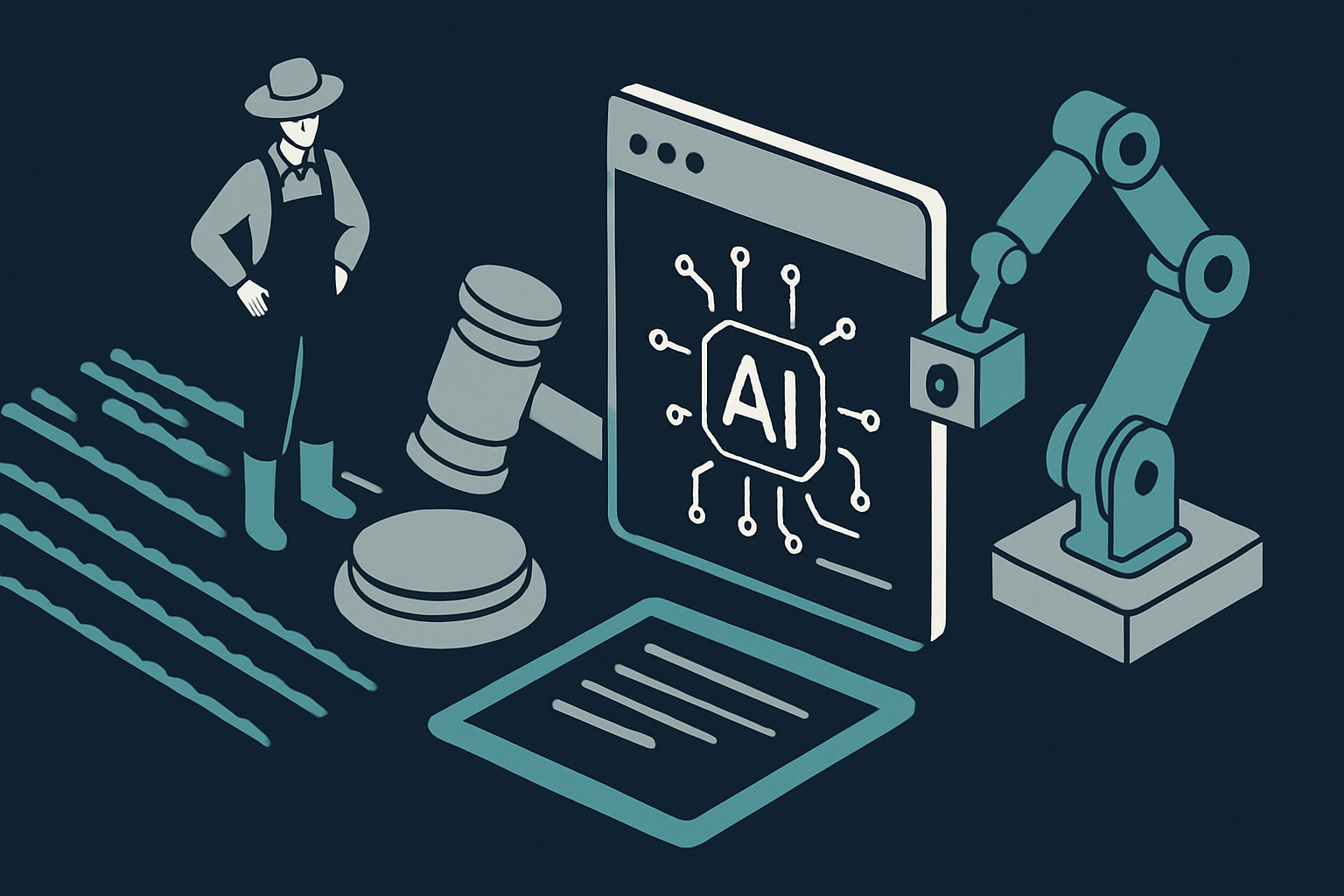
AI’s Quiet Revolution: The Redistribution of Expertise and Authority
AI is reshaping expertise and authority, centralizing decision-making in ways that sideline traditional knowledge. Without careful management, this could concentrate power further rather than democratize it. Read more
-

Who Gains and Who Loses When AI Reshapes Institutions?
Recent developments across tech giants highlight a growing trend where AI and infrastructure reshape markets and institutions. These moves reflect a reconfiguration of public and private boundaries, raising questions about accountability and equitable access. Read more
-

AI in Healthcare: Power Dynamics and the Risk of a Data Dystopia
AI’s integration into healthcare could centralize power over health data, risking privacy and equity. Without robust safeguards, individuals may become mere data points, eroding trust. A renewed focus on data sovereignty and transparency is essential. Read more
-

The Unseen Costs of AI’s Accelerating Infrastructure Demands
AI’s rapid development presents significant challenges for energy infrastructure and social equity. Addressing these issues requires sustainable energy solutions and equitable distribution of AI’s benefits. Read more


