
Category: Society
How technology changes institutions, civil behavior, governance, culture, and collective life. What is changing, who is making it change, and what people and institutions can do about it.
-
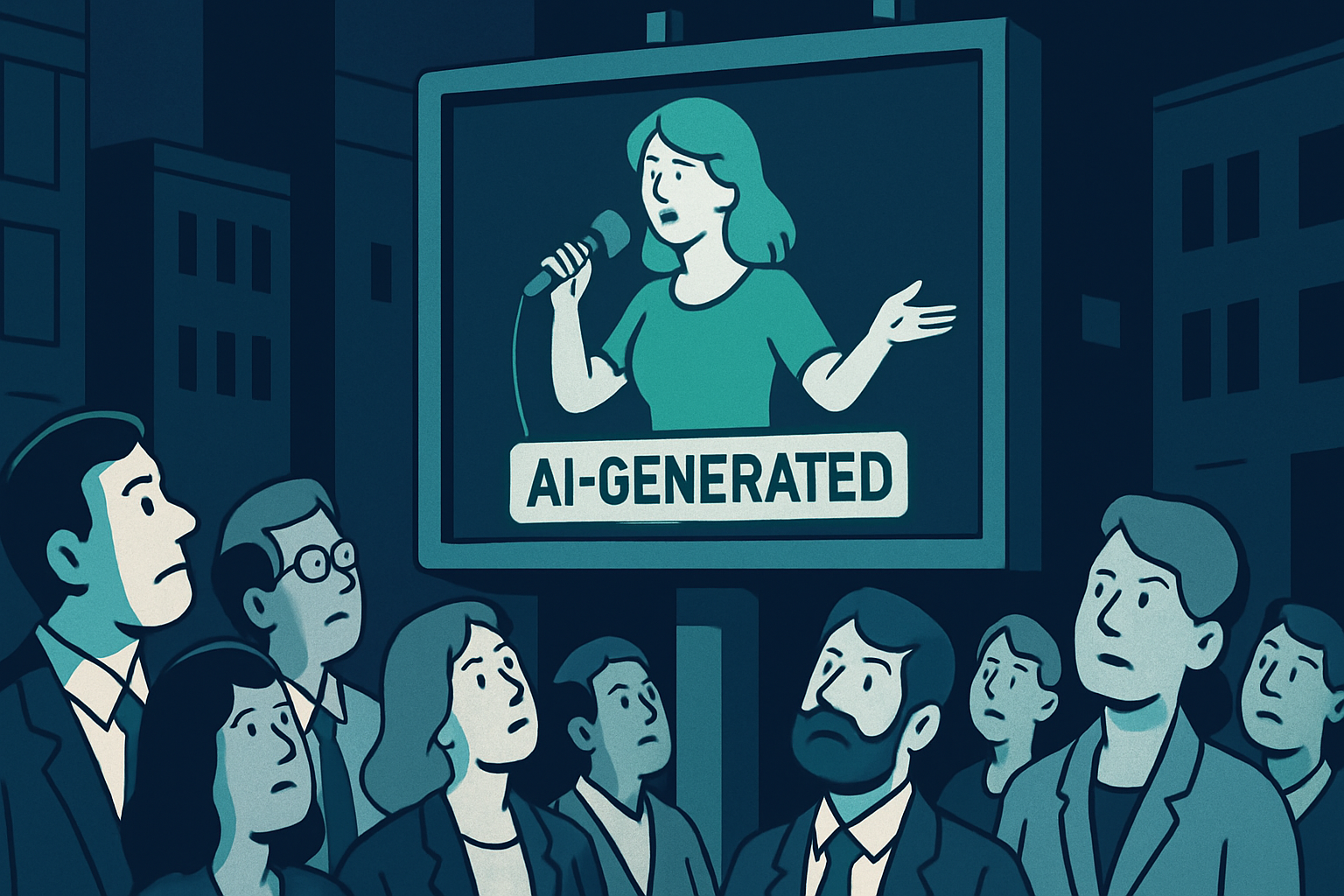
AI’s Quiet Takeover: The New Rules of Trust and Control
AI’s subtle integration into daily life is reshaping trust and authority in society. From California’s new transparency laws to Shopify’s struggles with AI-generated output, these developments challenge our ability to discern reality and trust institutions. More comprehensive measures are needed to ensure AI enhances human agency. Read more
-

The Invisible Hand of AI: Workers, Institutions, and Accountability
AI’s integration into workplaces and media is reshaping societal norms, with workers bearing costs and institutions lagging in governance. Effective integration requires recalibrated strategies prioritizing transparency and equity. Read more
-

AI’s Power Dynamics: Who Benefits and Who Pays the Price?
As AI technology advances, the distribution of power, labor, and economic gains comes into question. Without robust regulatory frameworks, the benefits of AI could disproportionately favor corporations and national interests over individual workers. Read more
-

The Illusive Promise of AI: Spectacle or Substance?
The AI industry’s emphasis on spectacle over substance is creating societal imbalance and eroding trust. A recalibration is needed, prioritizing equitable outcomes and international cooperation to ensure AI serves broader societal interests. Read more
-

AI Agents in the Workplace: Who Really Holds the Reins?
AI agents are transforming workplaces from active human participation to passive oversight, raising questions about autonomy and trust. Institutions must create transparent oversight to ensure inclusive AI governance. Read more
-

AI and the Public Sphere: Navigating the New Epistemic Landscape
AI is reshaping the public sphere, impacting how we discern truth and engage with democratic processes. This transformation requires new regulatory frameworks to ensure transparency and uphold democratic integrity. Read more
-

AI in Retail and Robotics: A Contradiction in Consumer Trust
Recent developments in AI-driven retail and robotics reveal a divergence in consumer trust. While AI enhances retail experiences, skepticism remains over robotics, highlighting the need for institutions to align technology with consumer readiness. Read more
-

AI Agents and the New Gatekeepers of Digital Trust
AI agents are becoming the new gatekeepers of digital trust, reshaping how information and commerce are mediated. This shift challenges traditional trust structures, raising questions about transparency, accountability, and the potential for manipulation. Read more
-
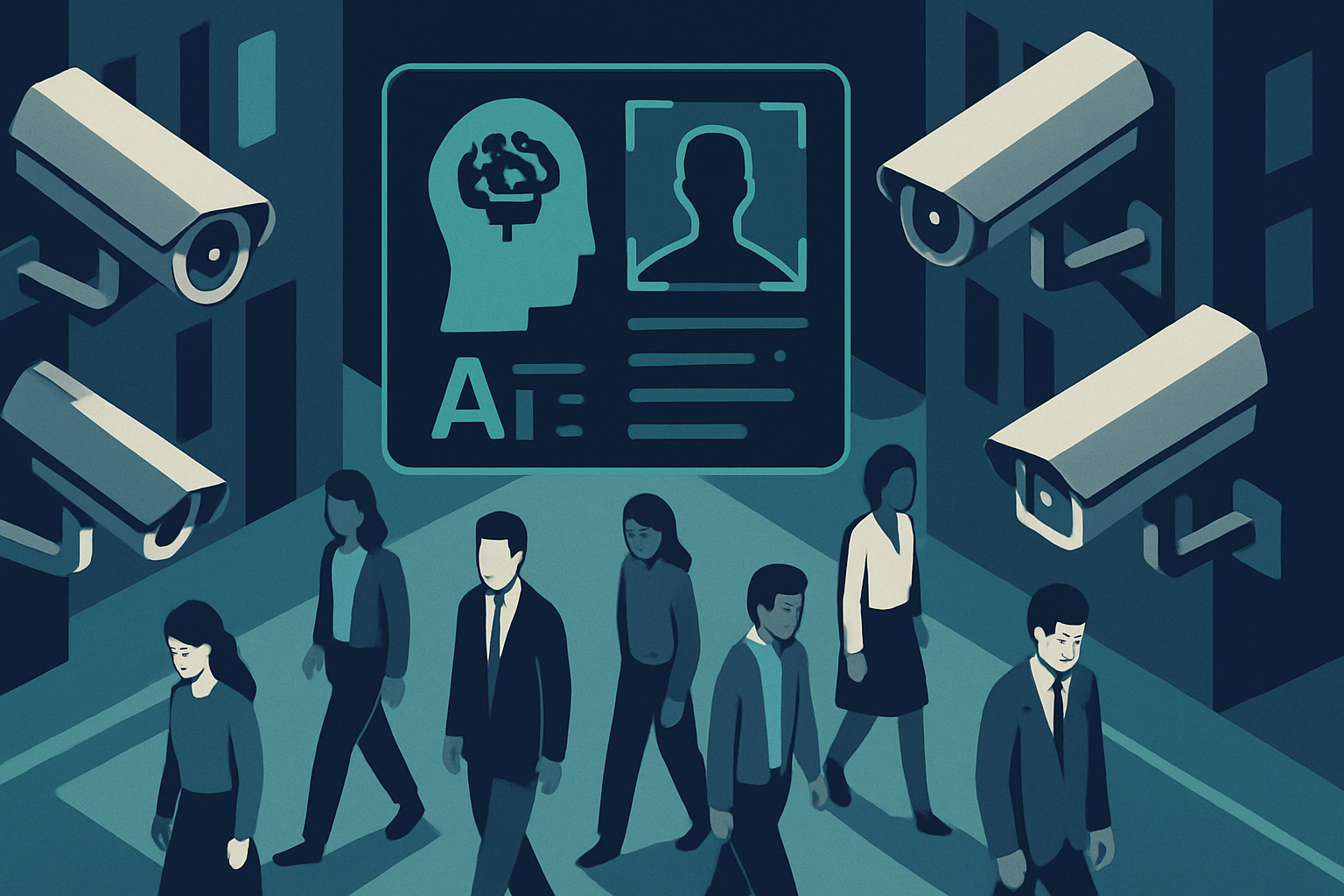
AI Surveillance and the Erosion of Public Trust
Anthropic’s predictive surveillance system alarms privacy advocates by preemptively flagging individuals, highlighting the urgent need for regulatory oversight and public accountability. The deployment of such technologies could erode democratic principles and public trust. Read more
-

AI’s Data Dilemma: Who Owns the Path to Discovery?
The controversy over OpenAI’s alleged data appropriation highlights critical issues of data ownership and power imbalance in the AI industry. As companies leverage user data for competitive advantage, questions of trust and agency arise, demanding clearer regulations and ethical practices. Read more


