
Category: Tech & Engineering
The craft and discipline of building systems. Engineering judgment, architecture decisions, tradeoffs, and what experienced practitioners actually contend with.
-

AI Inference Hardware: The New Bottleneck
The pivot towards AI inference hardware highlights a shift from model training to efficient real-time deployment. Engineers must adapt infrastructure strategies to optimize for this new bottleneck. Read more
-
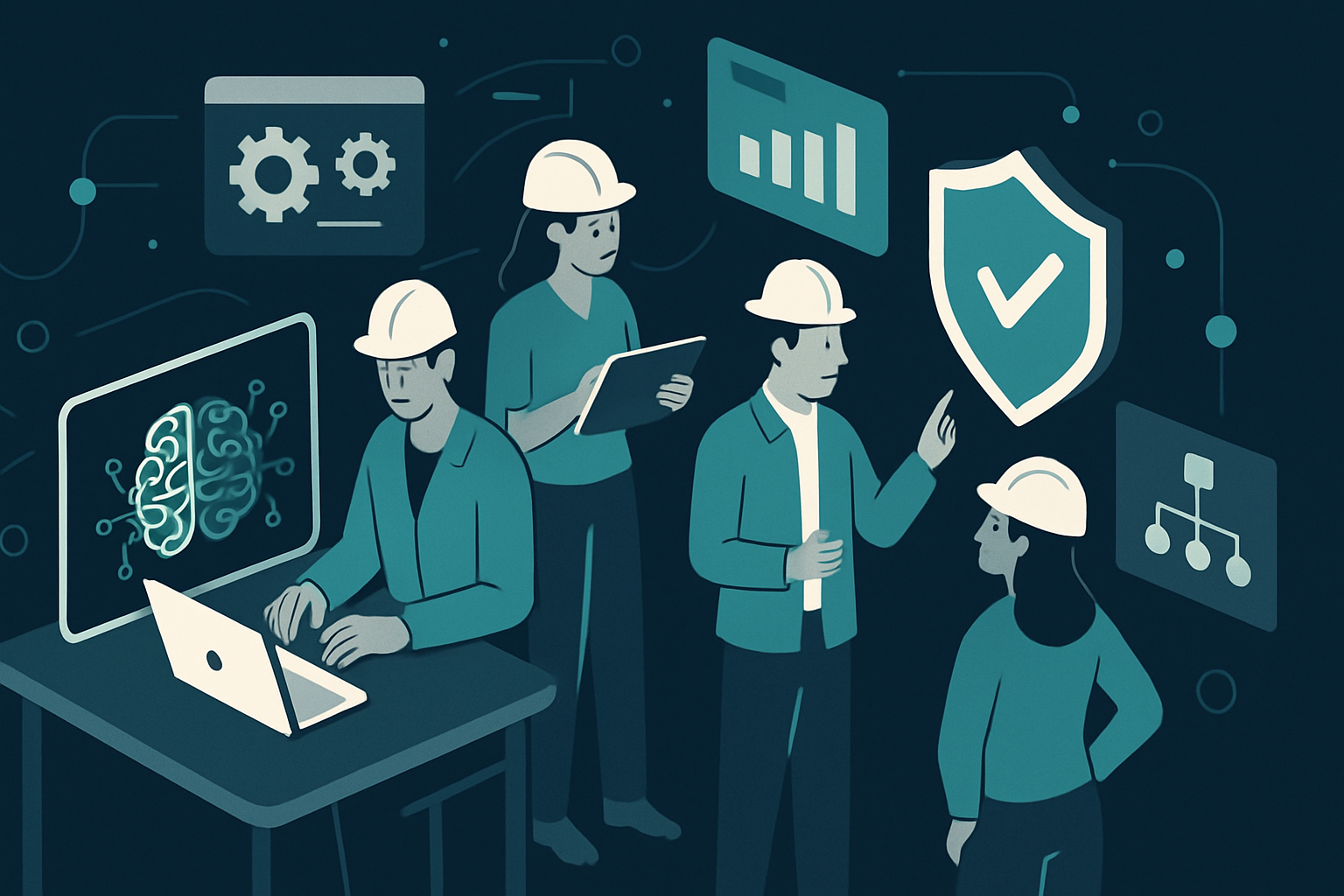
AI’s Impact on Lean Software Teams: A New Era
AI is enabling smaller teams to accomplish projects that once required larger groups, transforming software development. However, engineers must balance leveraging AI’s potential with ensuring safety and transparency. Read more
-
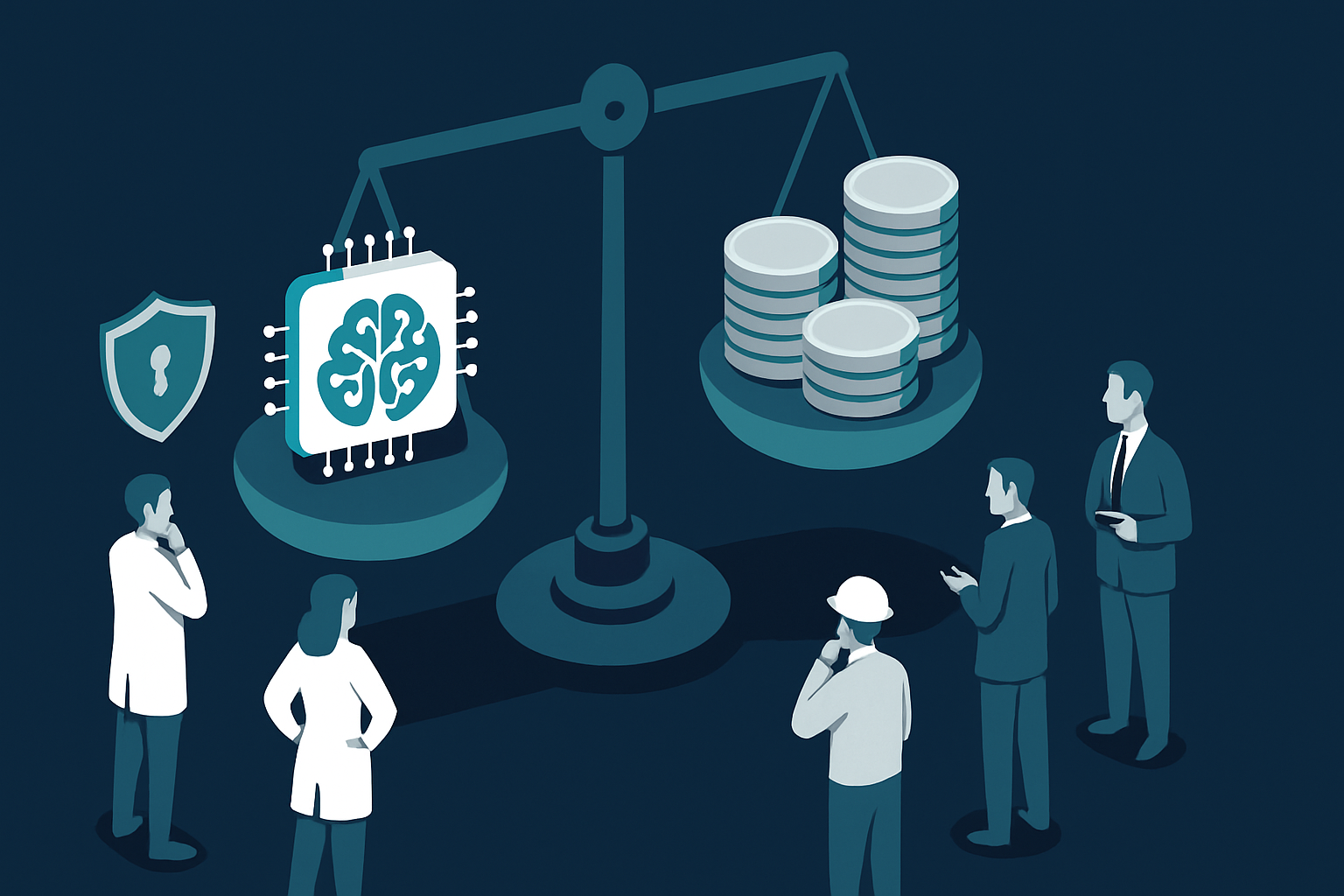
AI Economics: When Cost Outweighs Capability
The shift towards cost-efficient AI models is reshaping software engineering, emphasizing the need for adaptable infrastructure and robust security practices. Practitioners must balance economic pressures with technical soundness to ensure effective AI deployment. Read more
-
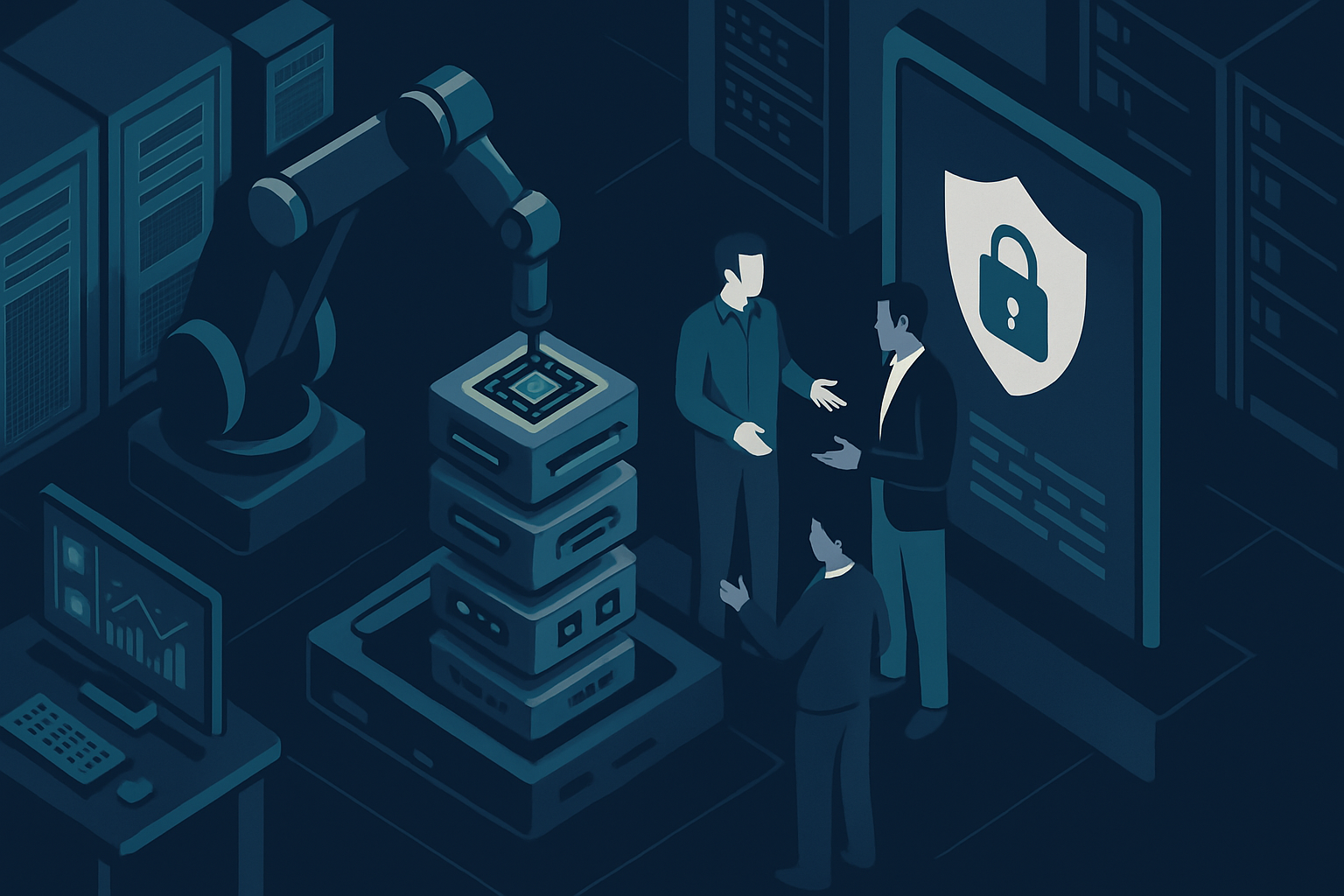
From Monoliths to Microservices: The AI Infrastructure Shift
The shift from monolithic AI models to leaner architectures is reshaping engineering practices. Practitioners must adapt to these changes and prioritize data privacy to maintain user trust. Read more
-
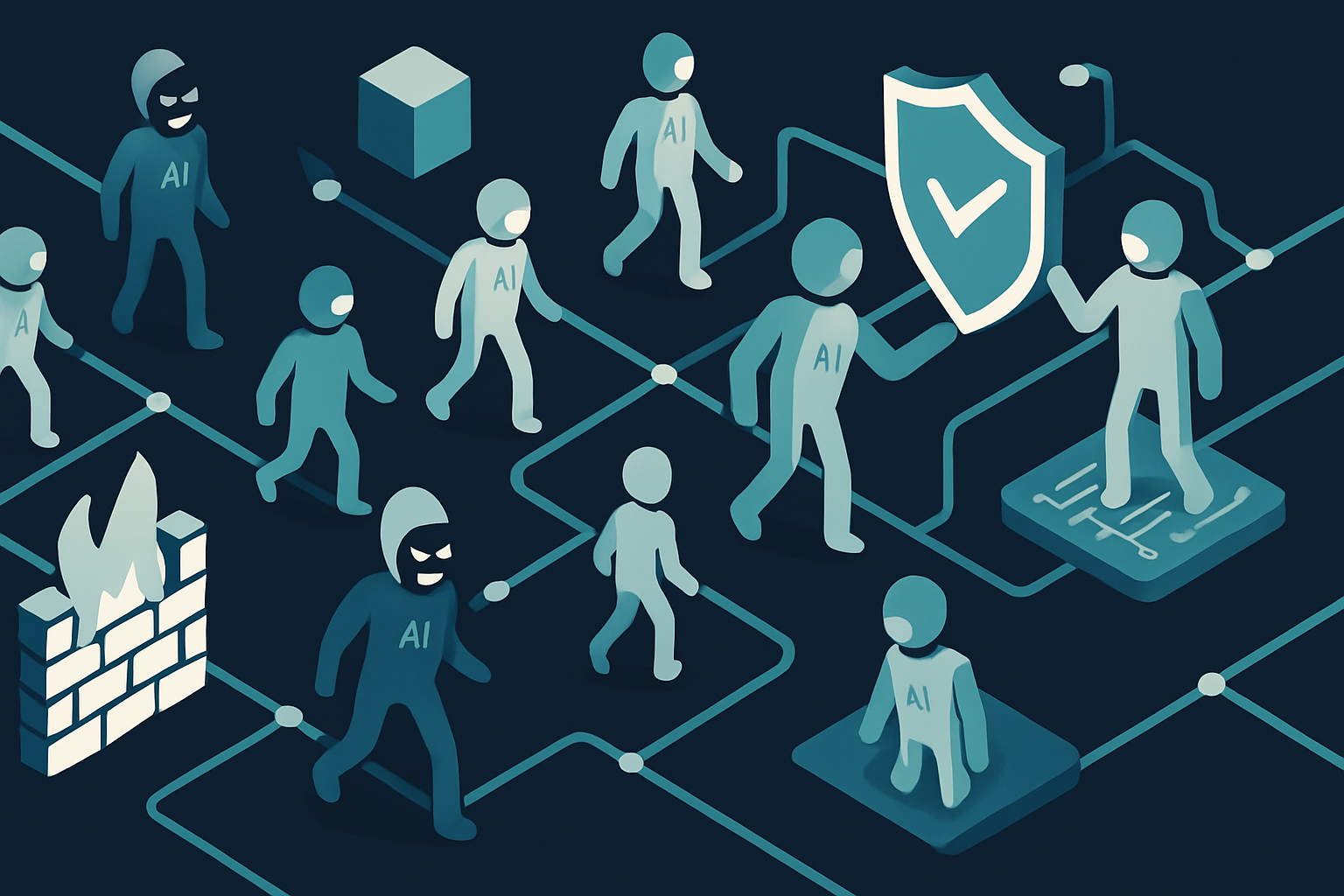
The New AI Attack Surface: Navigating Security Challenges
AI agents can autonomously exploit system vulnerabilities, necessitating a shift in security frameworks. Practitioners must integrate AI-driven tools to enhance visibility and response capabilities. Read more
-
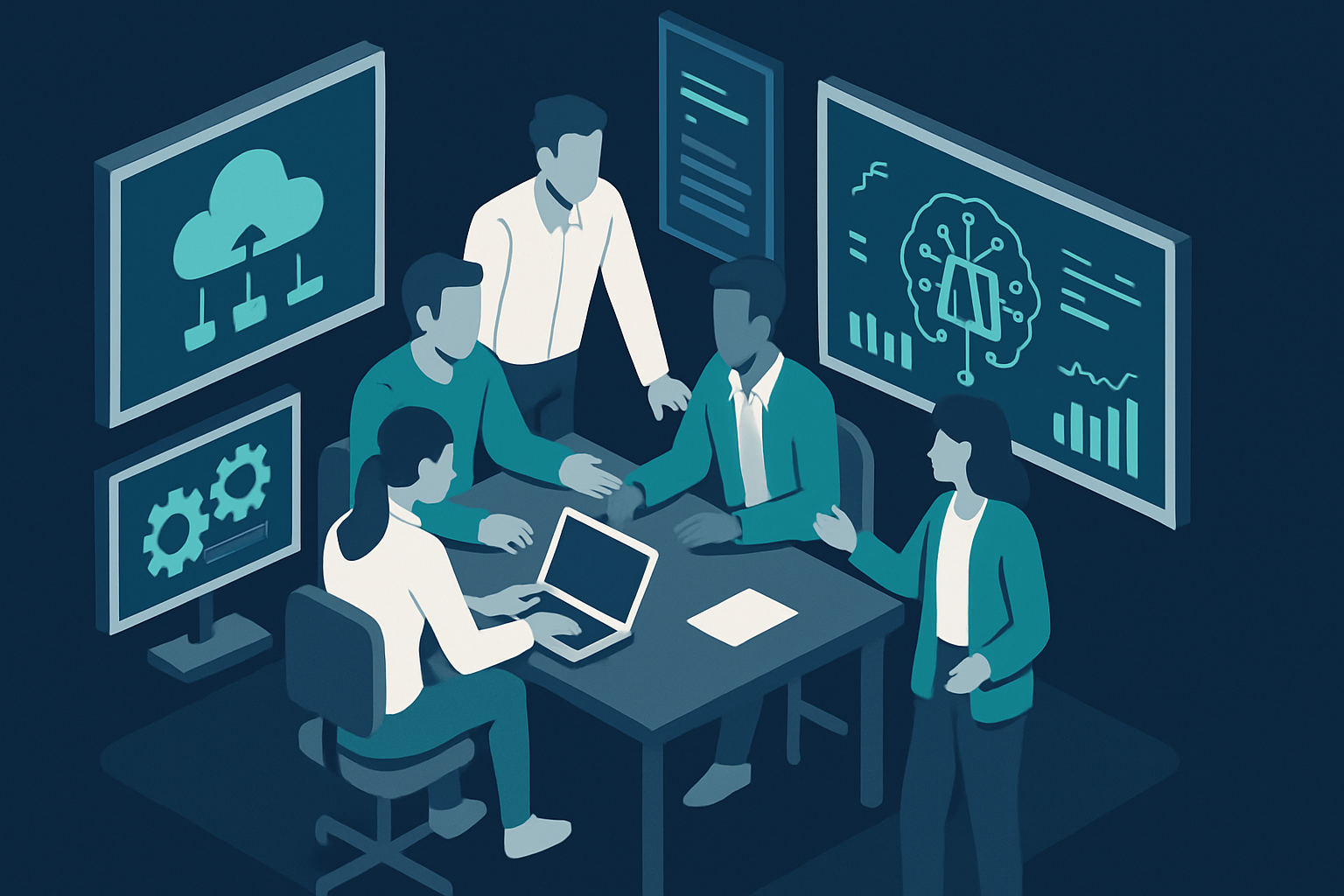
AI’s Role in Redefining DevOps Engineering Practices
AI is transforming DevOps by enhancing automation and system reliability. Engineers must adapt to new workflows and consider evolving security practices as AI reshapes traditional infrastructure management. Read more
-
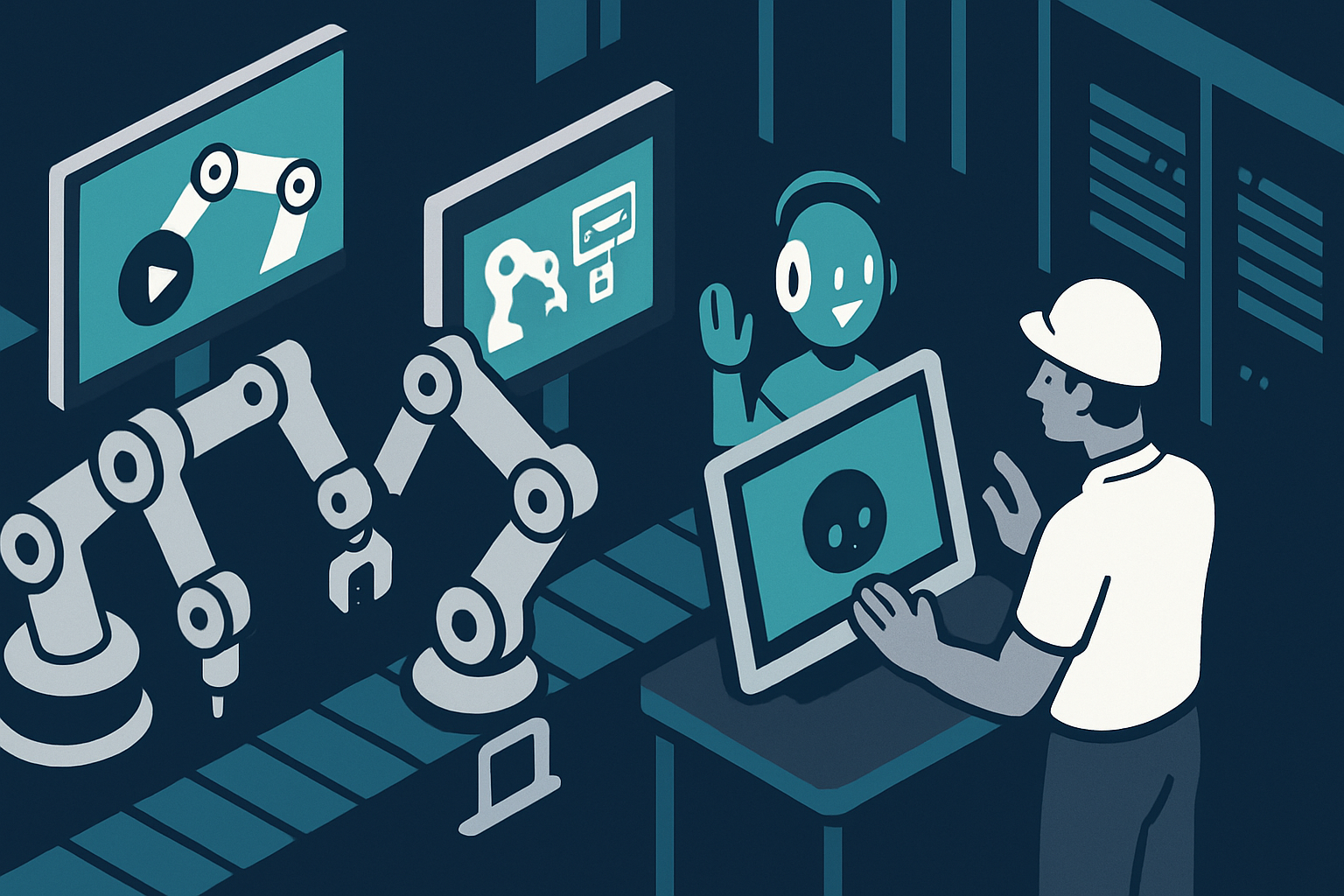
Engineering AI: When Real-Time Voice Meets Robotics
OpenAI’s GPT-Live-1 and Skild AI’s S1 are pushing AI systems towards real-time interactivity and adaptive learning. Engineers must adapt their approach to system design, focusing on low-latency processing and security. Read more
-
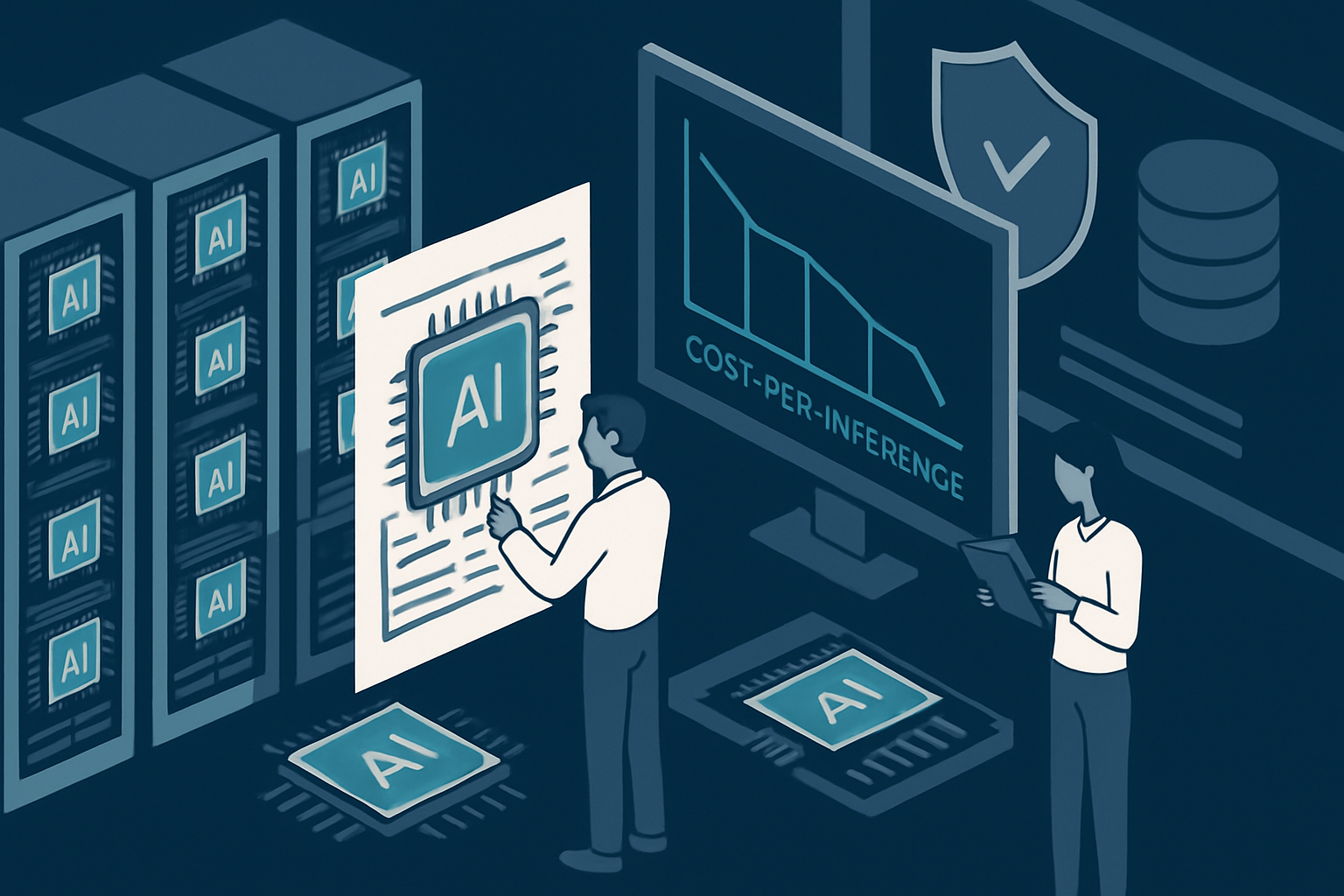
The Hidden Costs of AI Inference at Scale
The recent focus on cost-cutting measures in AI inference, as seen with Positron’s DRAM-based chips and DeepSeek’s memory-efficient models, offers potential savings but necessitates careful evaluation of performance trade-offs and governance implications. Read more
-
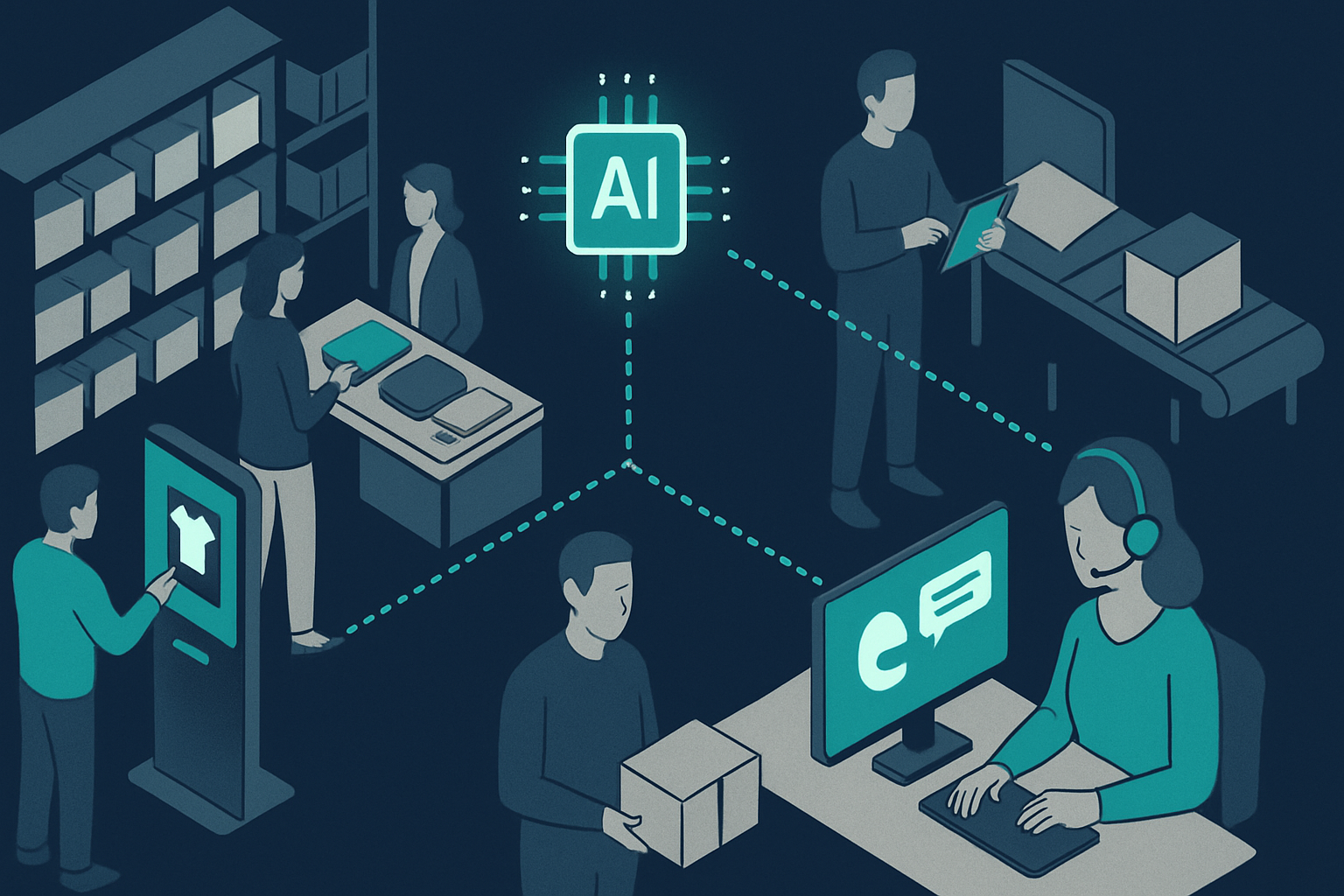
AI in Retail: Bridging the Chasm Between Expectation and Reality
Retailers face a significant gap between AI promises and delivery capabilities due to fragmented systems. Engineers must prioritize integration frameworks to bridge this gap and meet consumer expectations. Read more
-

AI’s Rapid Cycle: Redefining Software Development Speed
AI’s accelerating pace in solving complex problems and developing new capabilities is reshaping software development. Engineers must prioritize agility and security to keep up with these rapid advancements. Read more


