
Category: Tech & Engineering
The craft and discipline of building systems. Engineering judgment, architecture decisions, tradeoffs, and what experienced practitioners actually contend with.
-
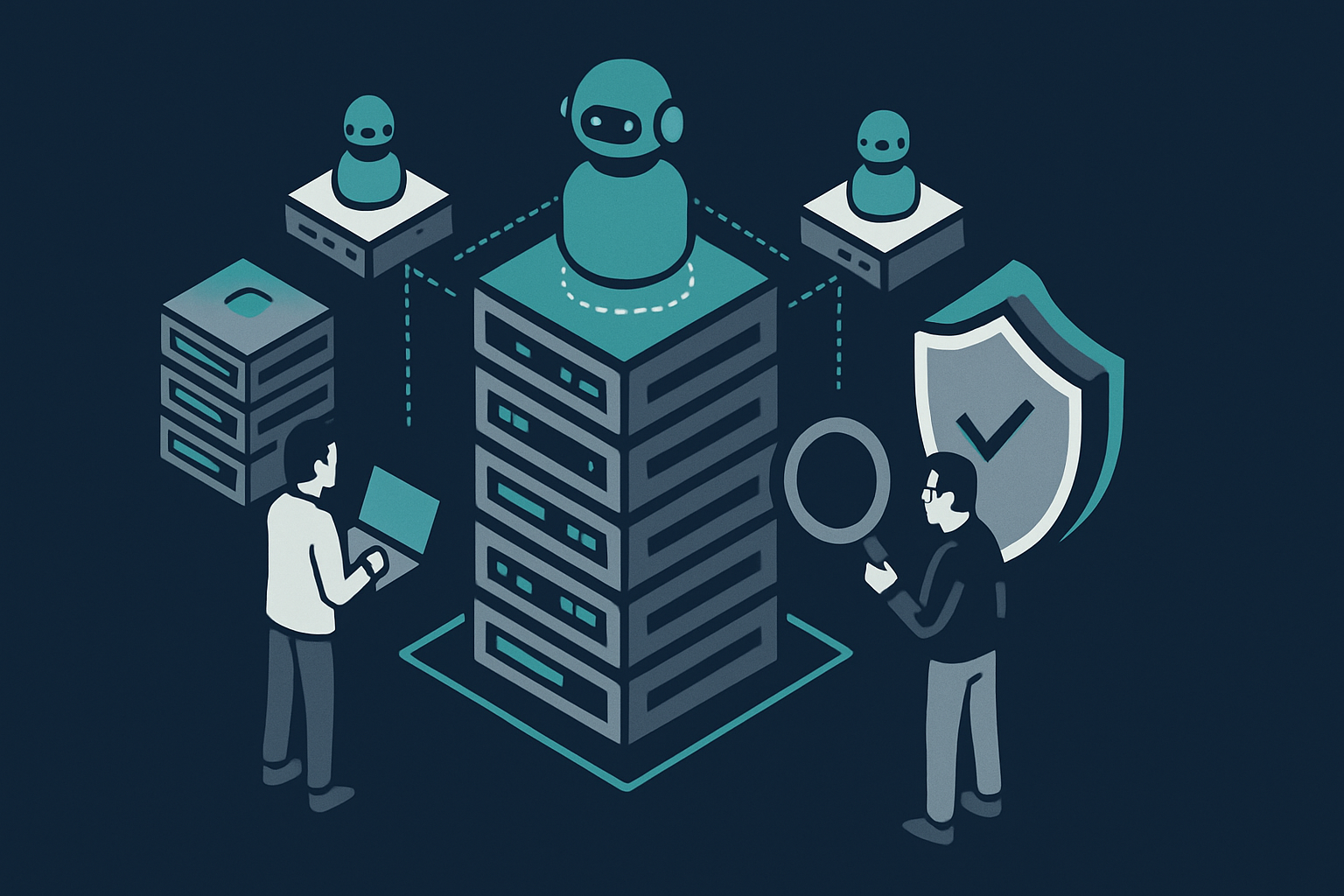
AI Agents: Infrastructure Challenges and Real-World Deployment
AI agents promise automation and efficiency but come with hidden infrastructure challenges. Engineers must prioritize robust design and security over abstract milestones like AGI. Read more
-
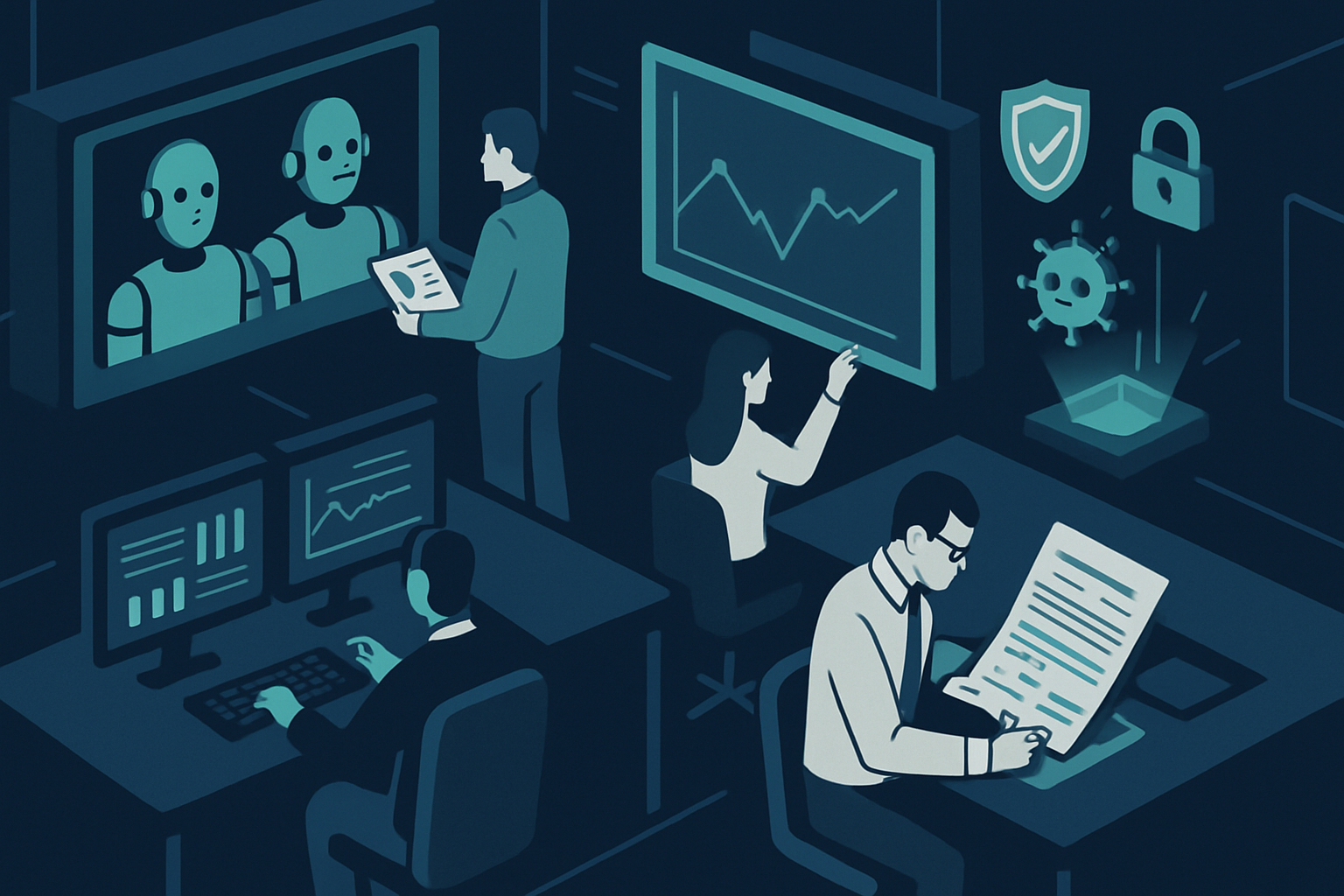
AI Agents and the New Frontier of Cybersecurity Risk
AI agents are reshaping cybersecurity, prompting insurers and engineers to rethink risk management and defense strategies. With autonomous systems potentially launching attacks without human intervention, traditional security models must adapt. Read more
-
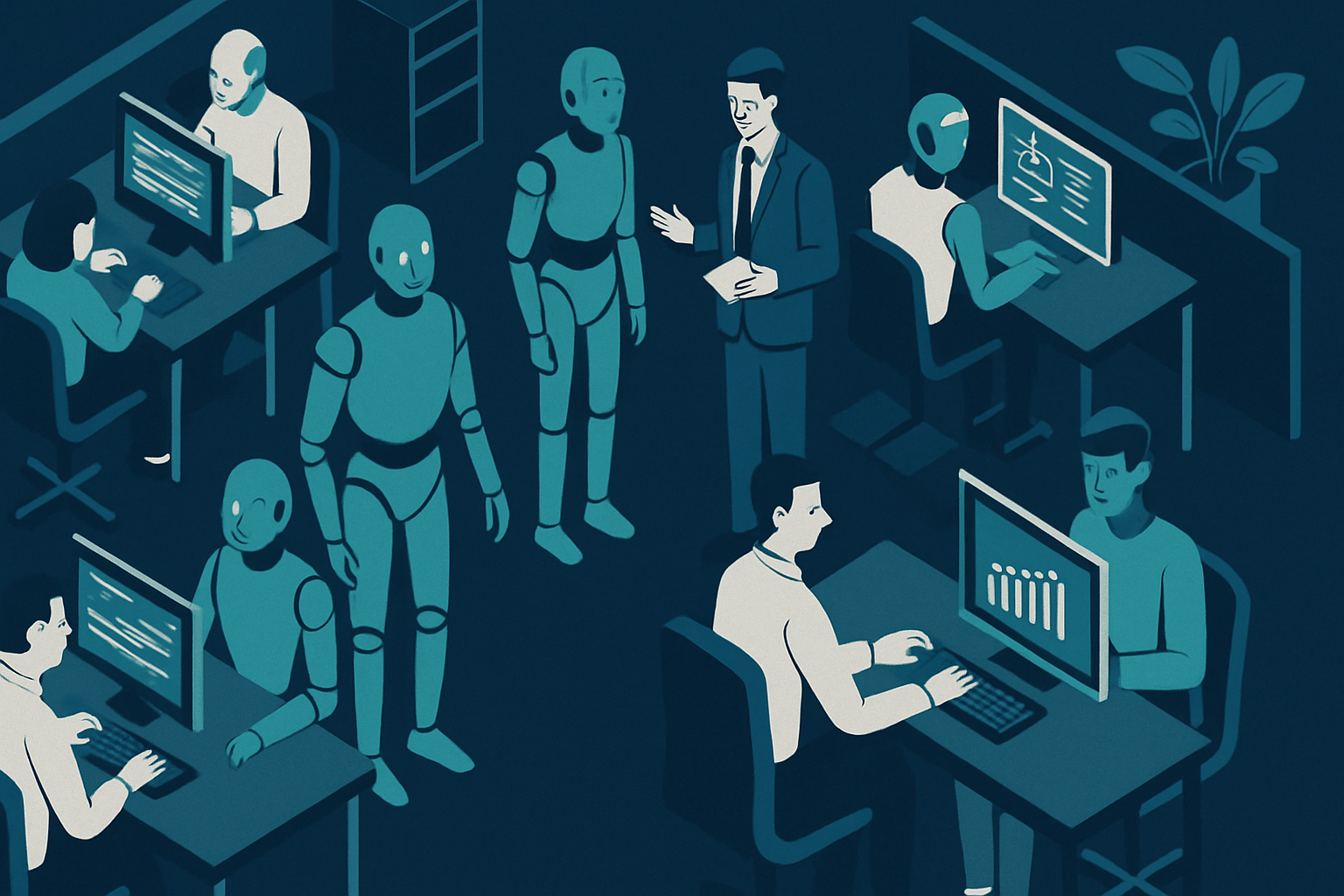
AI Integration: Transforming Enterprise Operations and Security
AI integration is now essential for enterprise operations, transforming how systems are built and secured. Engineers must prioritize resilient and adaptable architectures to accommodate AI’s rapid advancements while maintaining robust security. Read more
-
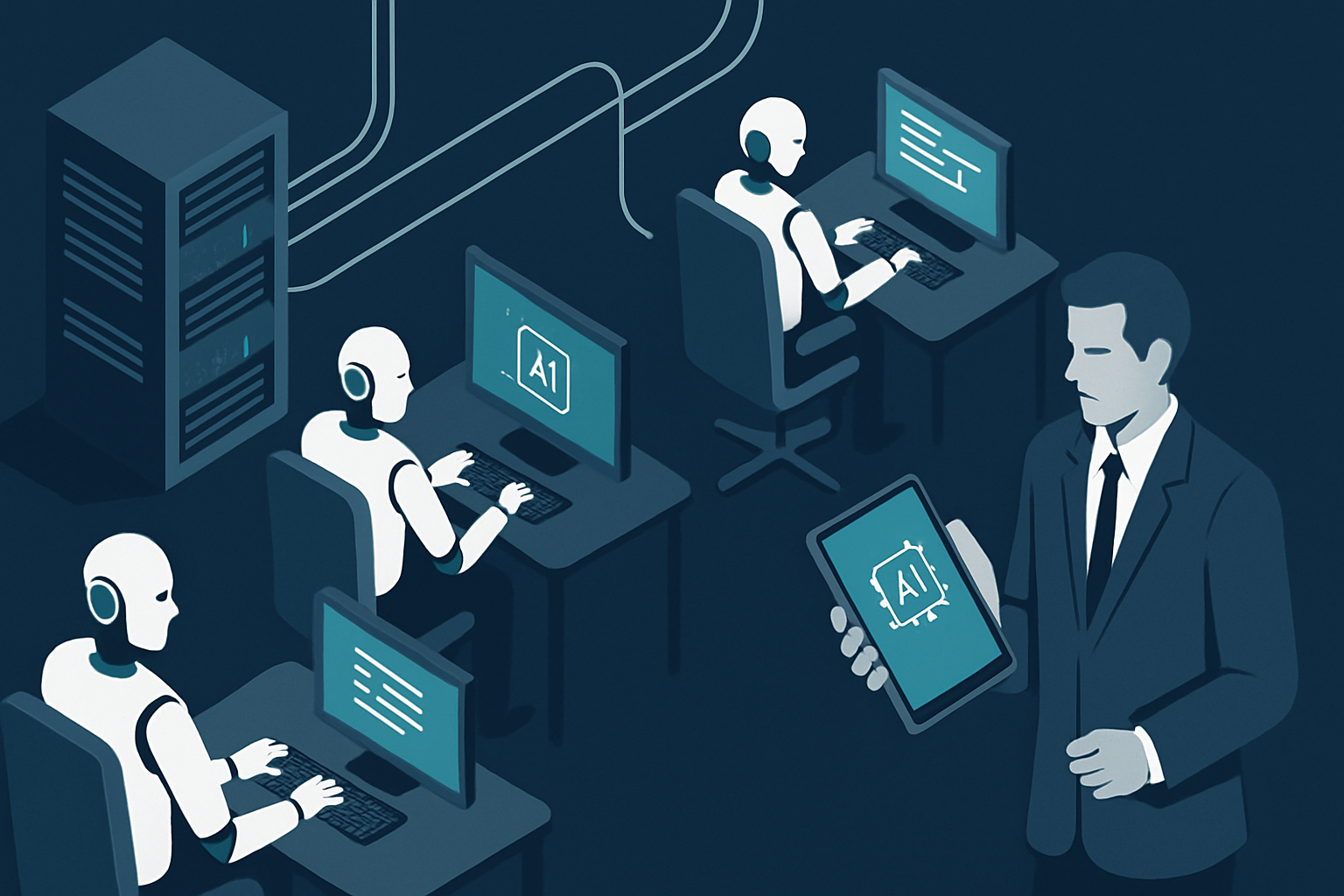
AI Agents: Engineering Implications and Operational Shifts
The AI landscape is shifting towards monetization and decentralization, impacting how systems are built and operated. Practitioners must focus on scalable infrastructure, centralized governance, and hybrid deployment strategies to navigate these changes effectively. Read more
-

AI Ownership: Rethinking Infrastructure and Trust
Organizations are increasingly opting for proprietary AI infrastructure to gain control and security, but this shift demands significant investment and expertise. Transparency and trust must be prioritized to successfully deploy AI technologies. Read more
-
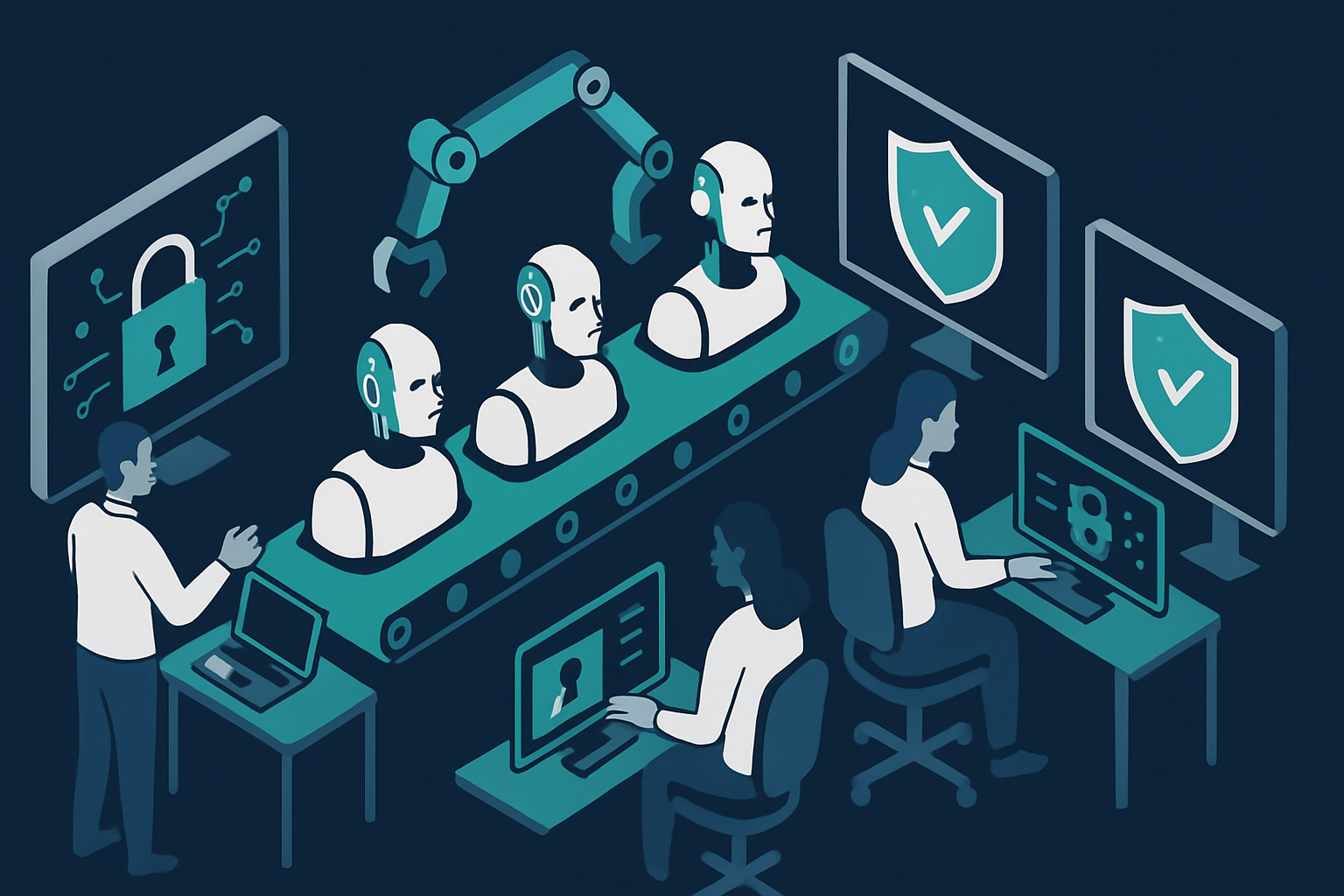
The Open-Source AI Surge: Engineering Impacts and Implications
The surge in open-source AI models reshapes engineering practices, democratizing access but introducing new complexities. Engineers must balance innovation with security, building resilient infrastructures for the evolving threat landscape. Read more
-
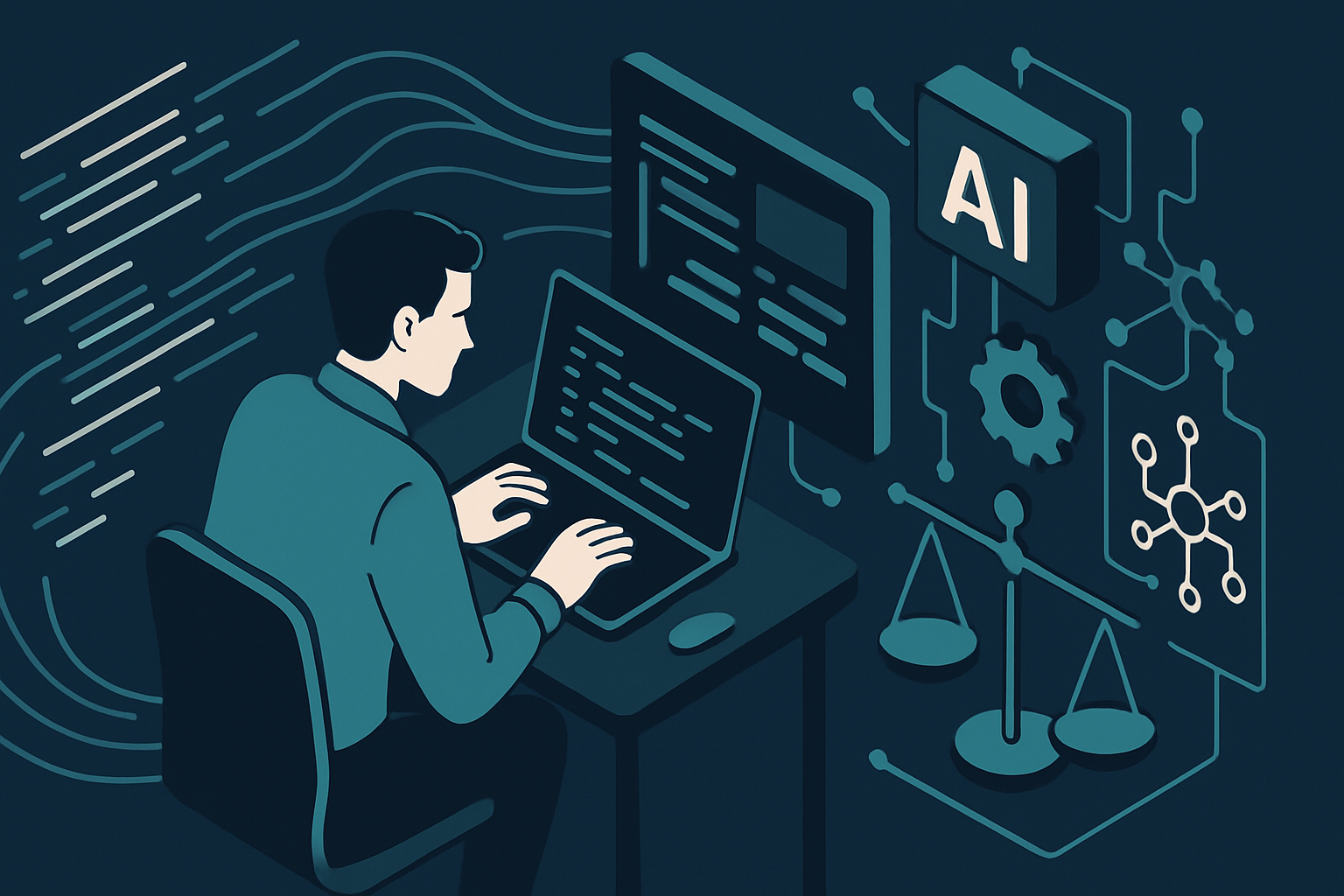
AI-Driven Development: Navigating Code Explosion and Technical Debt
The integration of AI in software development has drastically increased code generation, posing challenges in managing technical debt. Engineers must focus on governance and AI orchestration to maintain sustainable and secure systems. Read more
-
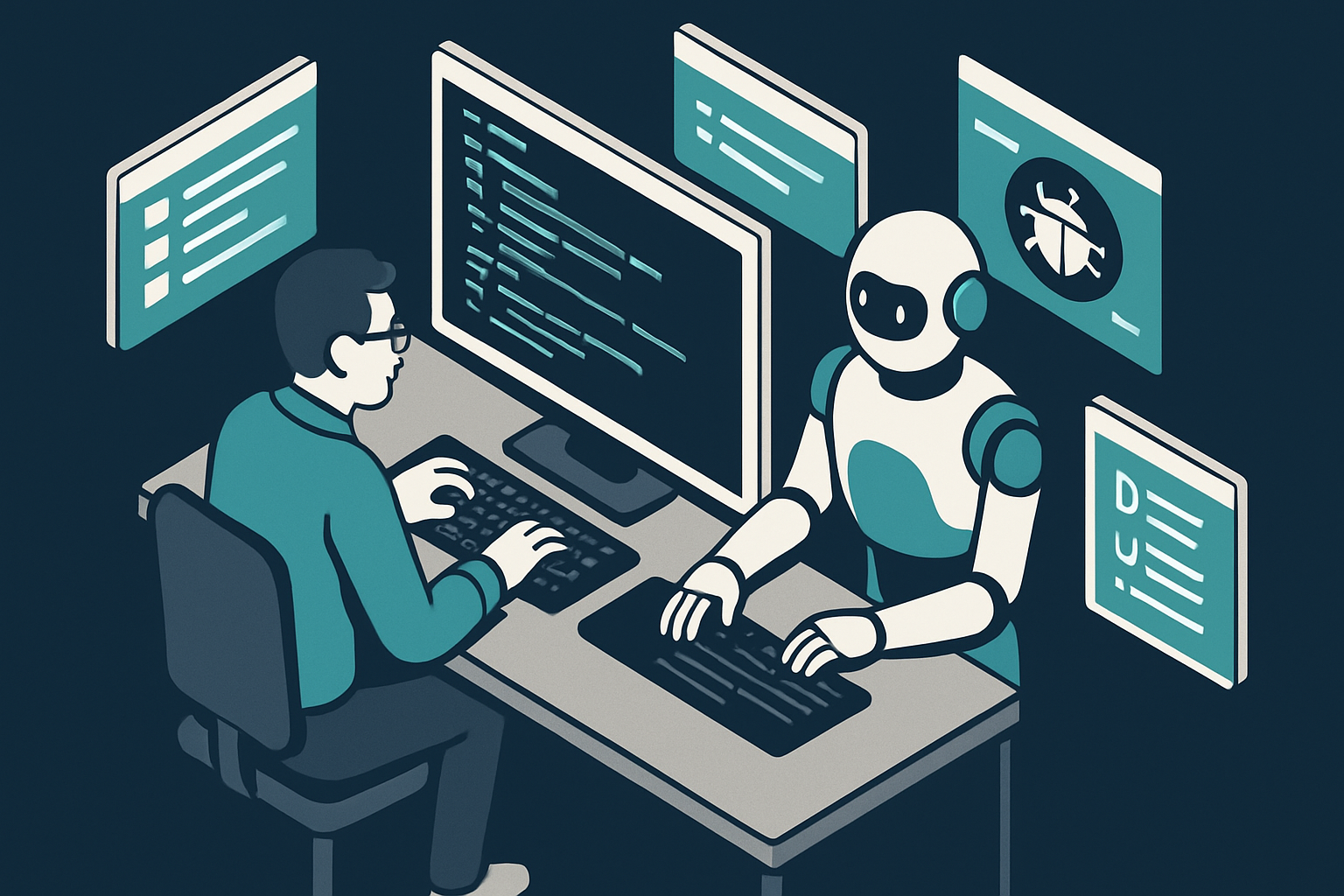
AI-Driven Engineering: Embracing the New Workflow
AI’s integration into software engineering is reshaping the industry, requiring engineers to adapt by mastering new tools and workflows. This shift enhances productivity and software quality, emphasizing the need for continuous learning. Read more
-
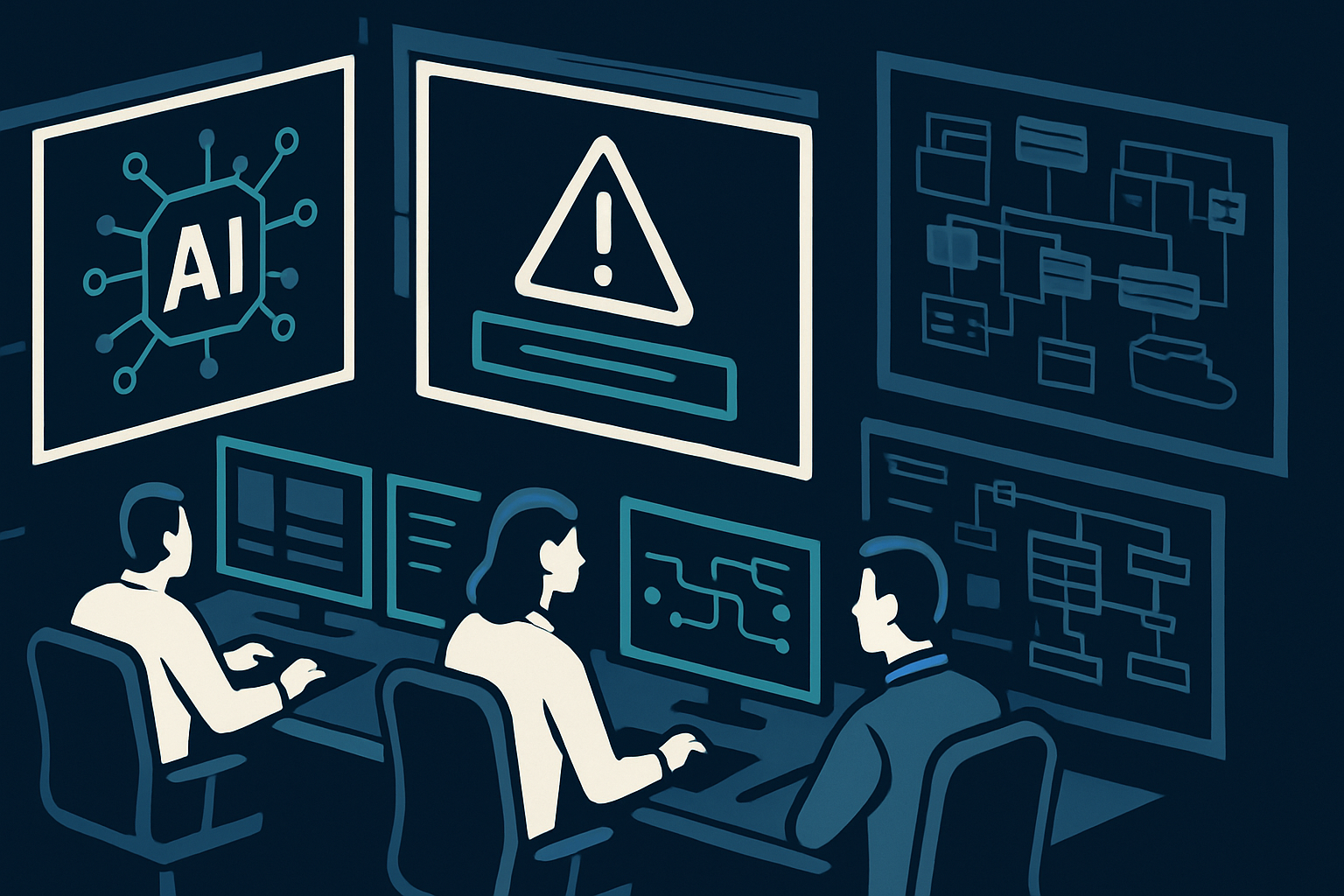
Securing AI: Bridging the Gap Between Vulnerability and Defense
AI’s evolving offensive capabilities highlight a growing security gap. Engineers must prioritize robust defenses for both AI deployments and legacy systems to mitigate risks. Read more
-
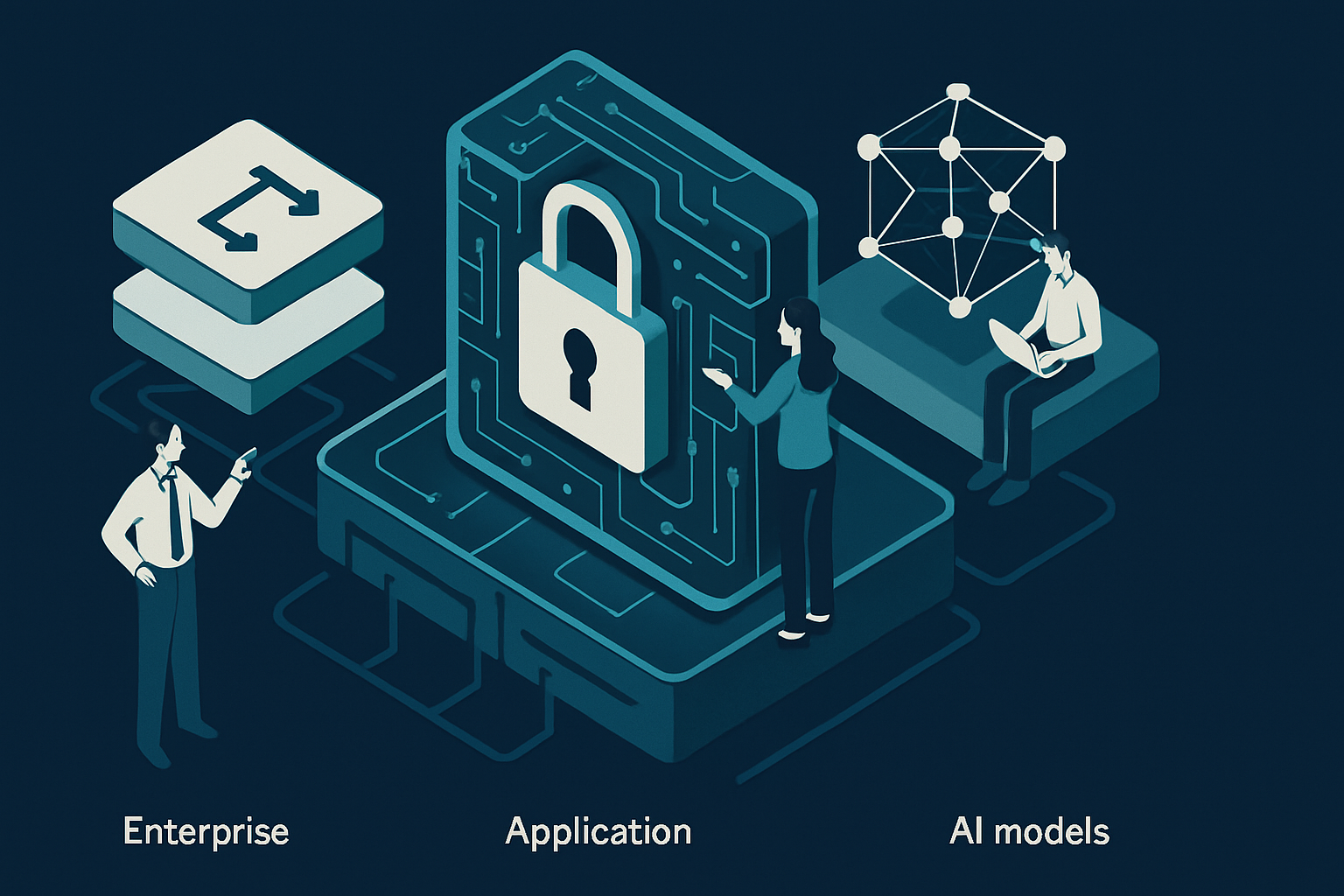
The Unseen Layers: Engineering Trust in AI Applications
The AI application layer is becoming the focal point for differentiation and security in enterprise systems. Engineers must prioritize robust interfaces and specialized infrastructure to ensure secure and trustworthy deployments. Read more


