
Category: Society
How technology changes institutions, civil behavior, governance, culture, and collective life. What is changing, who is making it change, and what people and institutions can do about it.
-

AI’s Role in Professional Judgment: Balancing Efficiency and Expertise
As AI integrates into professional settings, the boundary between human judgment and machine efficiency blurs. While AI can enhance processes, it risks eroding the skills that define professional expertise, necessitating careful management to preserve human agency. Read more
-
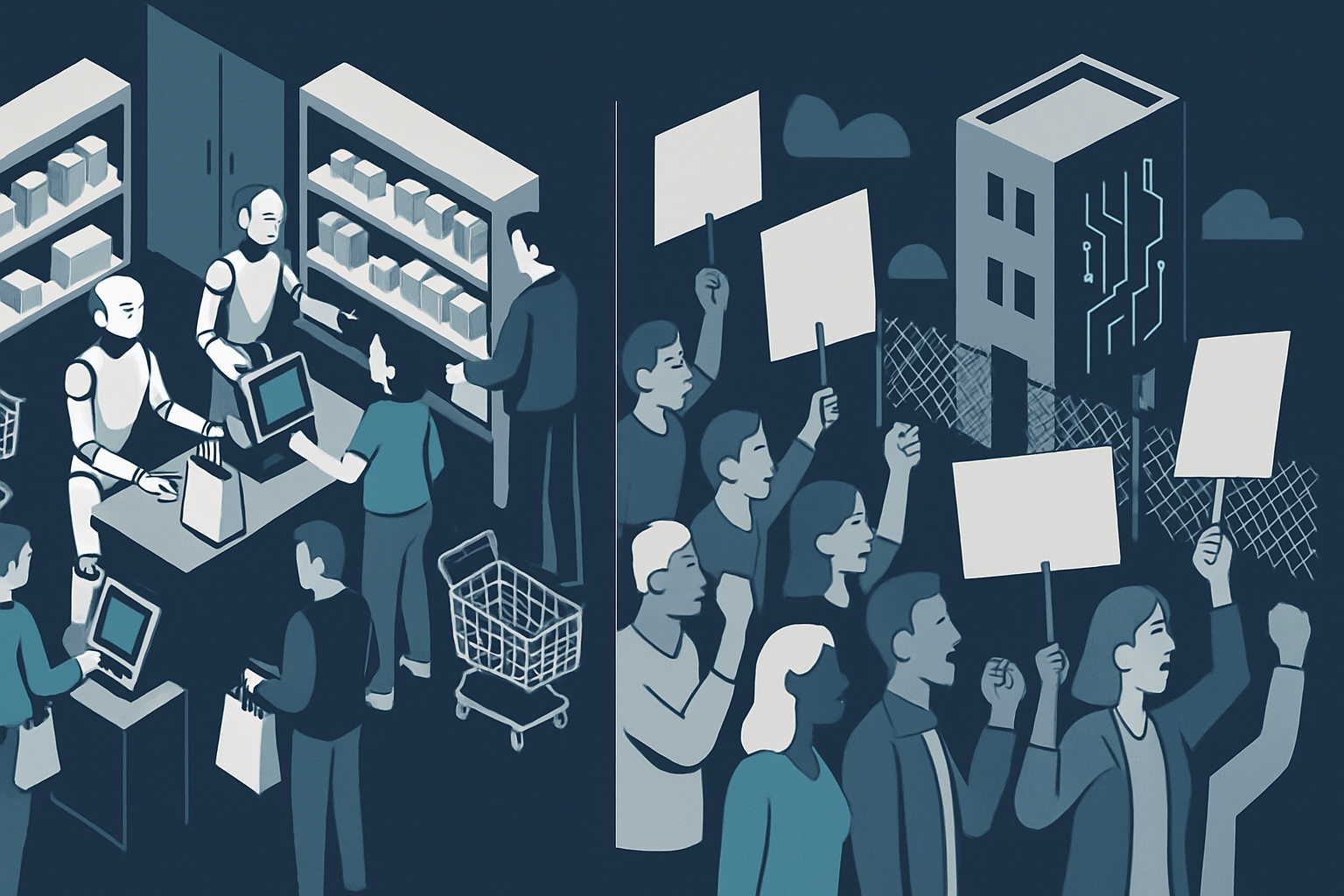
AI’s Invisible Hand: Reshaping Retail, Real Estate, and Reality
AI is seamlessly integrating into retail and real estate, reshaping markets and societal structures. While promising innovation and efficiency, it often externalizes costs onto communities and exacerbates socio-economic divides. Conscious intervention is needed to ensure AI supports collective progress. Read more
-

AI Governance: Who Really Holds the Reins?
AI is reshaping governance structures, blending state power with corporate interests. This shift impacts civil liberties and trust in institutions. A recalibration is needed to ensure AI serves the public good. Read more
-

Digital Identity in the AI Era: Trust, Power, and the Human Element
The advancement of digital identity infrastructure is reshaping societal functions, raising significant questions about trust, power, and privacy in the AI era. This shift demands careful consideration to ensure technology benefits all equally. Read more
-

AI’s Evolving Reputation Systems and Their Societal Impact
AI-driven reputation systems are redefining trust and influence across sectors, but not without significant social consequences. As AI takes on more roles traditionally filled by humans, it risks entrenching power imbalances and creating new inequalities. Read more
-
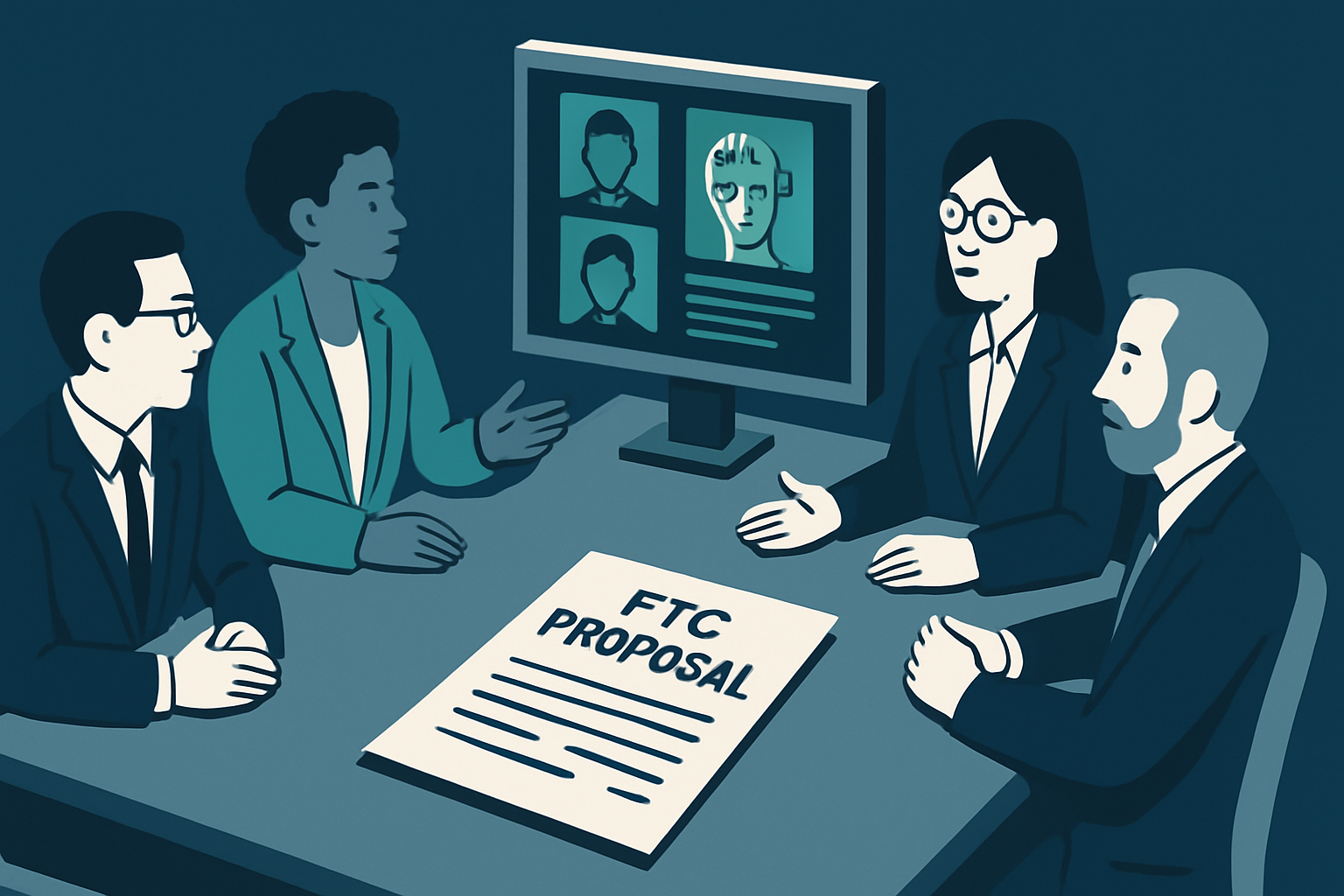
The Underlying Misalignments in AI Governance and Regulation
Recent AI developments expose a growing misalignment between technological advancements and institutional oversight. Instagram’s and the FTC’s attempts to address deception and accuracy in AI reveal a reactive, rather than proactive, approach. This governance gap undermines public trust and exacerbates power disparities. Read more
-

AI’s Hidden Cost: Who Really Benefits from Technological Advancements?
As AI continues to advance, the benefits are increasingly concentrated among those already in power, exacerbating existing inequalities. To ensure AI serves the broader public, regulatory frameworks must focus on transparency and equity. Read more
-

AI’s Expanding Role: From Personal Health to Public Safety
AI is weaving itself into various sectors, from healthcare to public safety. While promising significant benefits, it raises questions about transparency, accountability, and the balance between commercial interests and individual rights. Read more
-
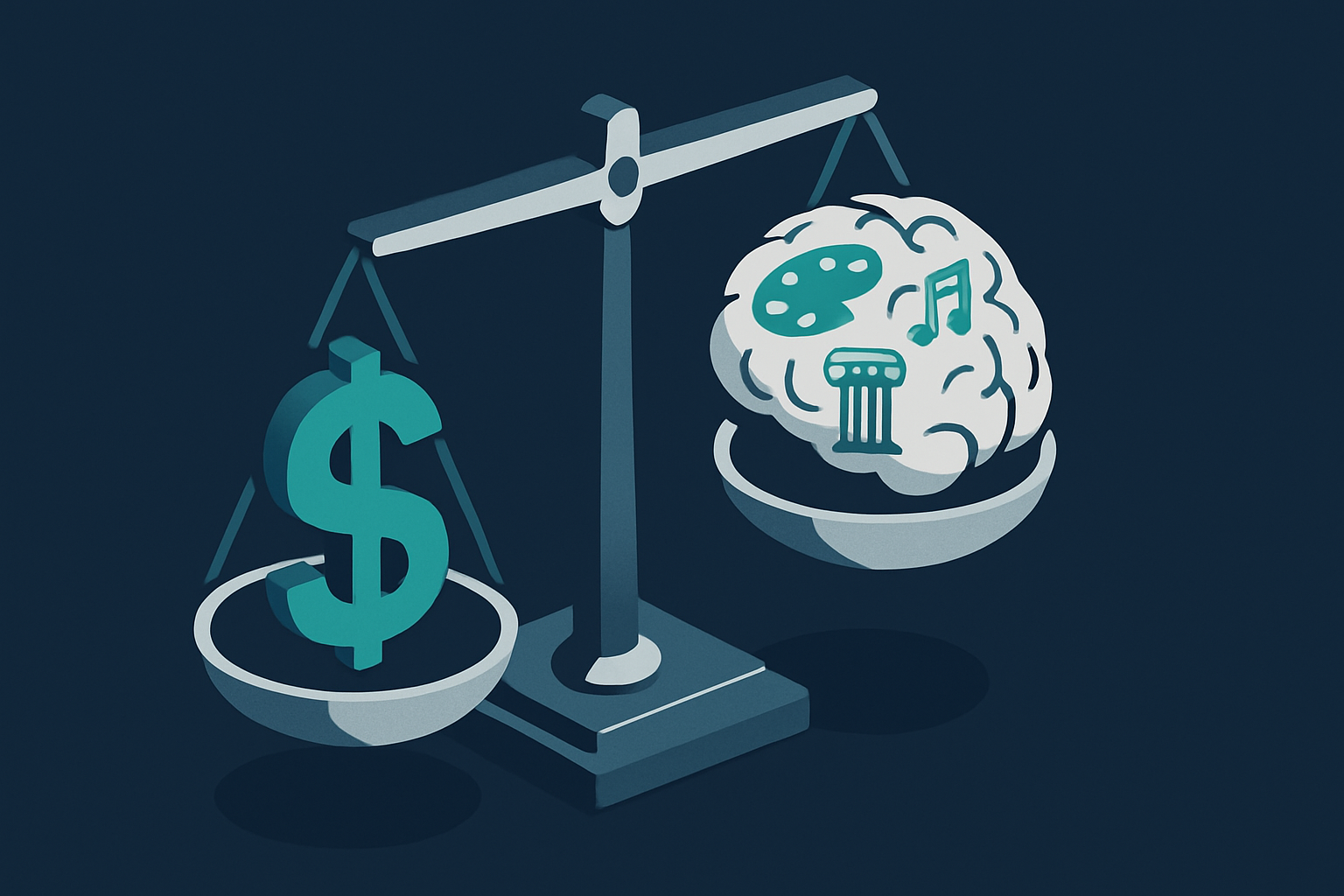
The Price of AI: Economic Advantage Versus Cultural Cost
AI developments underscore a tension between economic efficiency and cultural integrity. From cheaper models to AI spiritual advisors, these trends demand a balance between technological advancement and human values. Read more
-
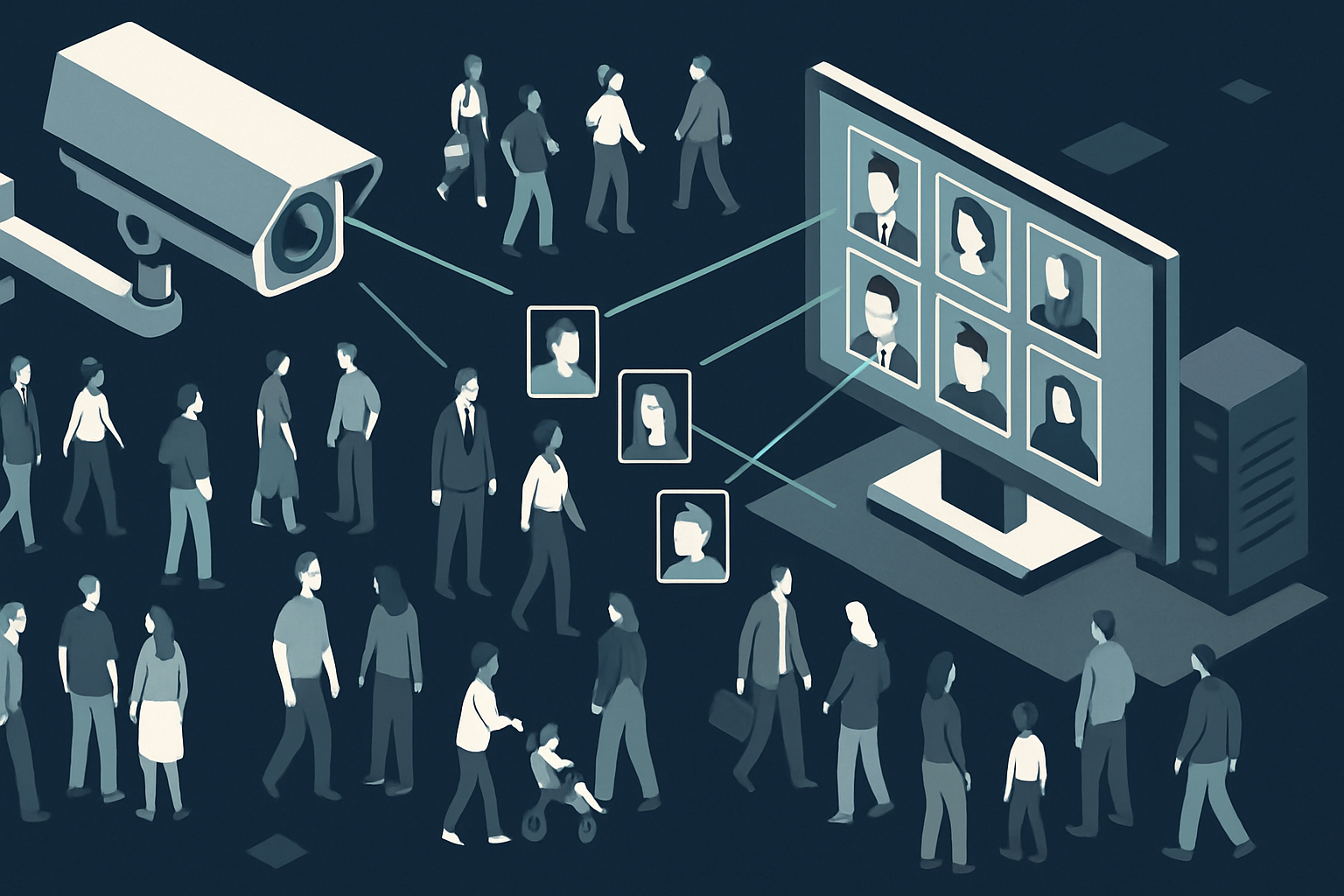
AI’s Surveillance Revolution: Balancing Efficiency with Privacy
AI-driven surveillance technologies promise enhanced efficiency in law enforcement but raise significant ethical concerns. Without robust regulatory frameworks, these technologies risk undermining privacy and civil liberties. Read more


