
Tag: AI Regulation
-

AI’s Power Dynamics: Who Benefits and Who Pays the Price?
As AI technology advances, the distribution of power, labor, and economic gains comes into question. Without robust regulatory frameworks, the benefits of AI could disproportionately favor corporations and national interests over individual workers. Read more
-

AI in Advertising and Legal Services: A New Economic Frontier
AI’s integration into advertising and legal services is driving efficiency and productivity gains but also raises concerns about power centralization and job displacement. Regulatory frameworks are needed to ensure fair distribution of benefits and protections for workers. Read more
-

AI Agents and the New Gatekeepers of Digital Trust
AI agents are becoming the new gatekeepers of digital trust, reshaping how information and commerce are mediated. This shift challenges traditional trust structures, raising questions about transparency, accountability, and the potential for manipulation. Read more
-

AI’s Cognitive Cost: Balancing Automation and Skill Development
AI’s encroachment on cognitive tasks in finance risks diminishing critical skill development, while hardware-lock in tech development could stifle innovation. Addressing these challenges requires strategies that preserve human skills and ensure open competition. Read more
-
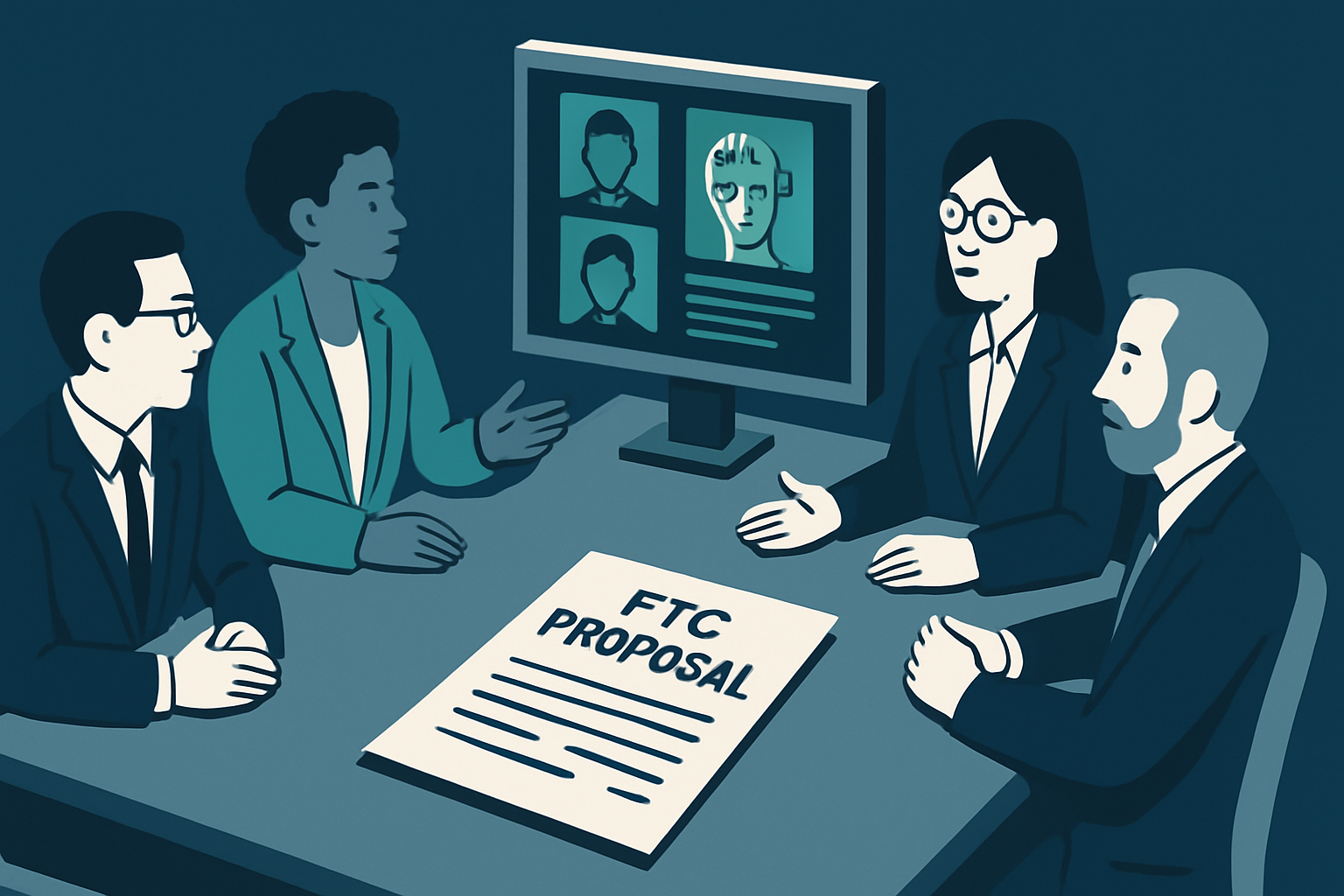
The Underlying Misalignments in AI Governance and Regulation
Recent AI developments expose a growing misalignment between technological advancements and institutional oversight. Instagram’s and the FTC’s attempts to address deception and accuracy in AI reveal a reactive, rather than proactive, approach. This governance gap undermines public trust and exacerbates power disparities. Read more
-

AI’s Impact on Trade Finance and Competitive Isolation in Tech
AI is transforming trade finance by reducing underwriting costs, potentially democratizing access to small trade loans. However, competitive isolation among tech giants like Google and Meta poses risks of monopolistic practices and innovation stifling. Read more
-

AI’s Hidden Cost: Who Really Benefits from Technological Advancements?
As AI continues to advance, the benefits are increasingly concentrated among those already in power, exacerbating existing inequalities. To ensure AI serves the broader public, regulatory frameworks must focus on transparency and equity. Read more
-

AI’s Surveillance Revolution: Balancing Efficiency with Privacy
AI-driven surveillance technologies promise enhanced efficiency in law enforcement but raise significant ethical concerns. Without robust regulatory frameworks, these technologies risk undermining privacy and civil liberties. Read more
-

AI’s Double-Edged Role in Shaping Modern Markets and Culture
AI’s role in modern markets and culture is a double-edged sword, offering opportunities for efficiency and access while risking power concentration and inequality. Regulatory frameworks and policies must evolve to ensure AI serves the public good. Read more
-

The High Cost of AI: Who Gains in the New Monopoly Era?
Recent AI sector developments show a trend of consolidation, with power and resources concentrating in a few dominant firms. This raises concerns about economic concentration and societal impacts, highlighting the need for regulatory intervention. Read more


