
Tag: AI Regulation
-
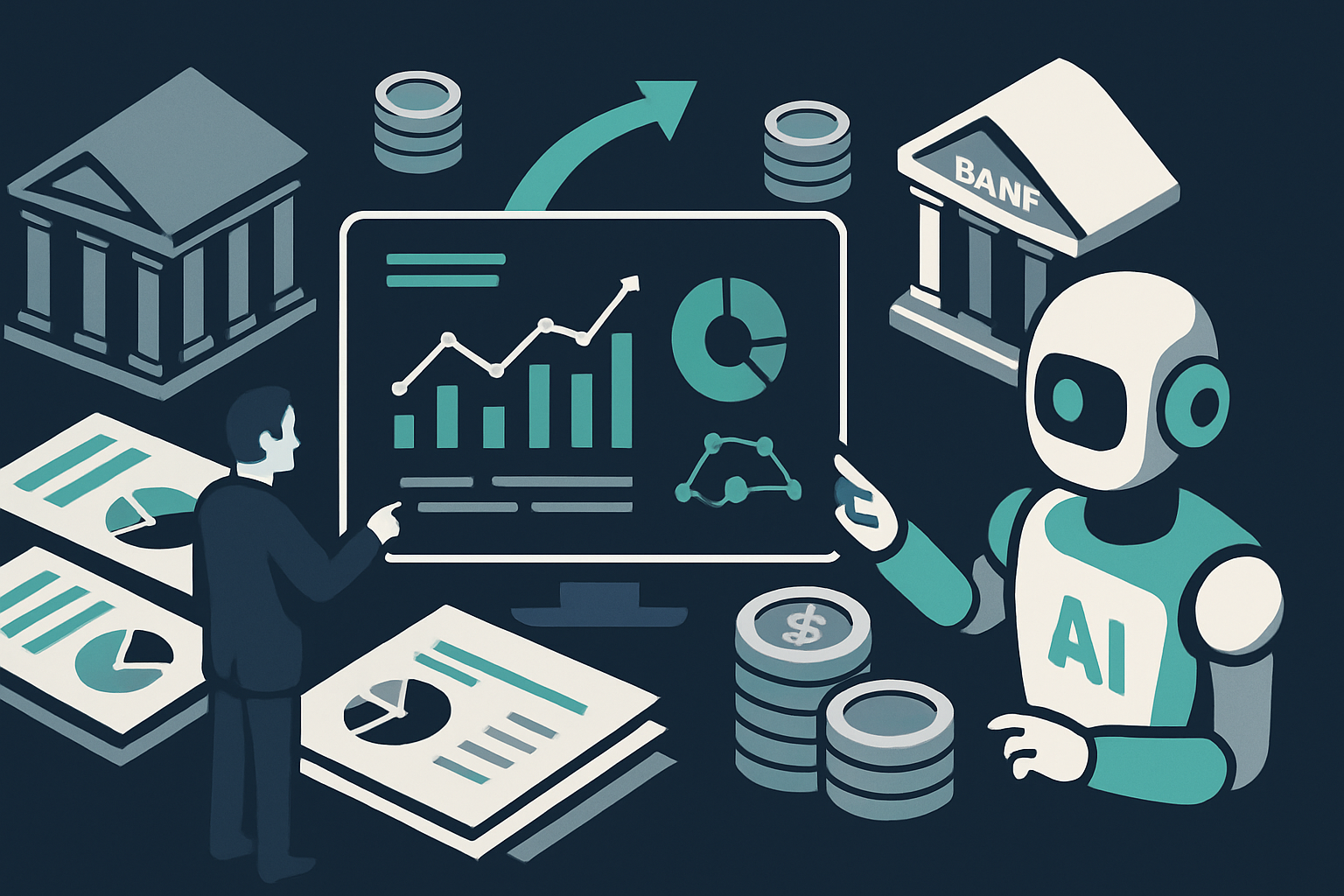
AI’s Role in Supplier Payments: Mechanisms Reshaping Capital Flow
AI is transforming supplier payments through platforms like Mastercard’s, optimizing capital flow and enhancing working capital management. However, successful integration requires redesigning workflows around precise business outcomes. Read more
-

AI-Driven Pricing and Its Psychological Impact on Consumer Trust
AI-driven pricing models, like those used by McDonald’s, raise psychological concerns about fairness and transparency in consumer markets. These systems risk eroding trust, suggesting businesses should prioritize transparent communication and ethical AI practices. Read more
-
The Economic Uncertainties of AI’s Rapid Expansion and Policy Gaps
AI’s rapid expansion is driven by speculative capital and regulatory gaps, risking economic stability. Without substantive policies, the industry’s growth may mirror past bubbles. Read more
-

AI’s Role in Reshaping IPO Markets: Democratization or Delusion?
Coinbase’s move to democratize IPO access for retail investors marks a significant shift in market dynamics, facilitated by AI. While this could broaden investment opportunities, it also raises concerns about market volatility and the need for regulatory adaptation. Read more
-

AI’s Subtle Erosion of Trust in Everyday Transactions
AI’s integration into everyday life is reshaping trust in social and institutional interactions. As we navigate privacy concerns and the need for clear ethical boundaries, it’s vital to ensure that technology complements rather than compromises human trust. Read more
-

The AI Battle for Privacy: Power, Control, and Enterprise Shifts
As enterprise AI shifts toward prioritizing privacy over raw performance, the balance of power between technology providers and their clients is changing. This development raises important questions about trust and the need for robust regulatory frameworks. Read more
-

AI Liability and Regulation: Economic Implications for Innovation
NVIDIA’s call for AI liability shields highlights a critical juncture between innovation and regulation. While encouraging innovation, it’s vital to maintain accountability to sustain market growth and consumer trust. Read more
-

AI and Surveillance: Redefining Privacy and Public Trust
AI’s integration into surveillance is transforming privacy and public trust. While promising efficiency, it risks perpetuating biases and undermining civil liberties. A call for regulatory frameworks is essential to safeguard human rights. Read more
-
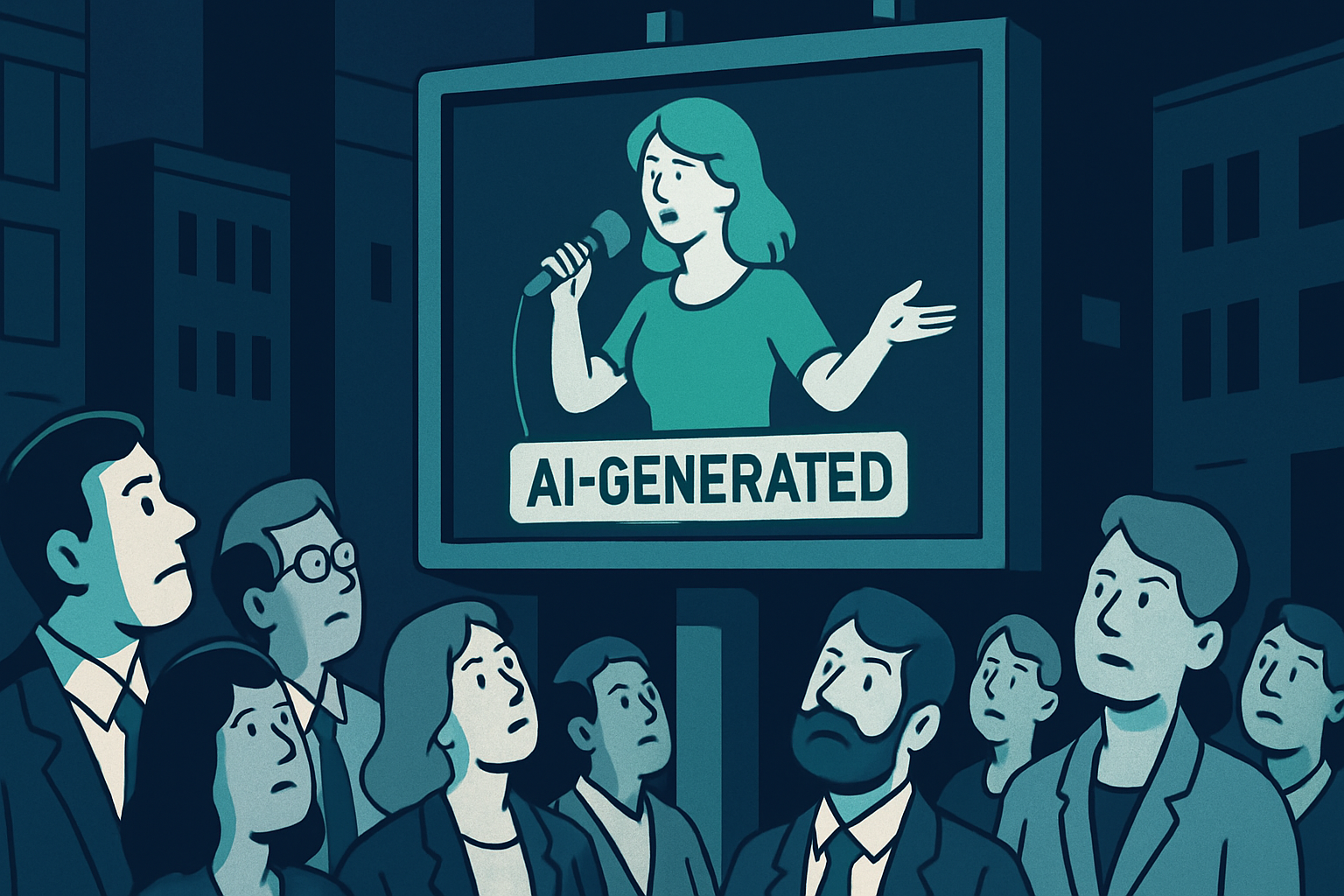
AI’s Quiet Takeover: The New Rules of Trust and Control
AI’s subtle integration into daily life is reshaping trust and authority in society. From California’s new transparency laws to Shopify’s struggles with AI-generated output, these developments challenge our ability to discern reality and trust institutions. More comprehensive measures are needed to ensure AI enhances human agency. Read more
-

AI Agents and the New Economic Participation: A Structural Analysis
AI agents are stepping into economic roles, facilitated by platforms like Circle’s Arc. This shift could enhance market efficiency but requires careful management to ensure equitable benefits. Read more


