
Category: Industry & Economics
How technology reshapes markets, labor, capital allocation, and business models. Analysis of who gains, who loses, and what the mechanisms actually are.
-
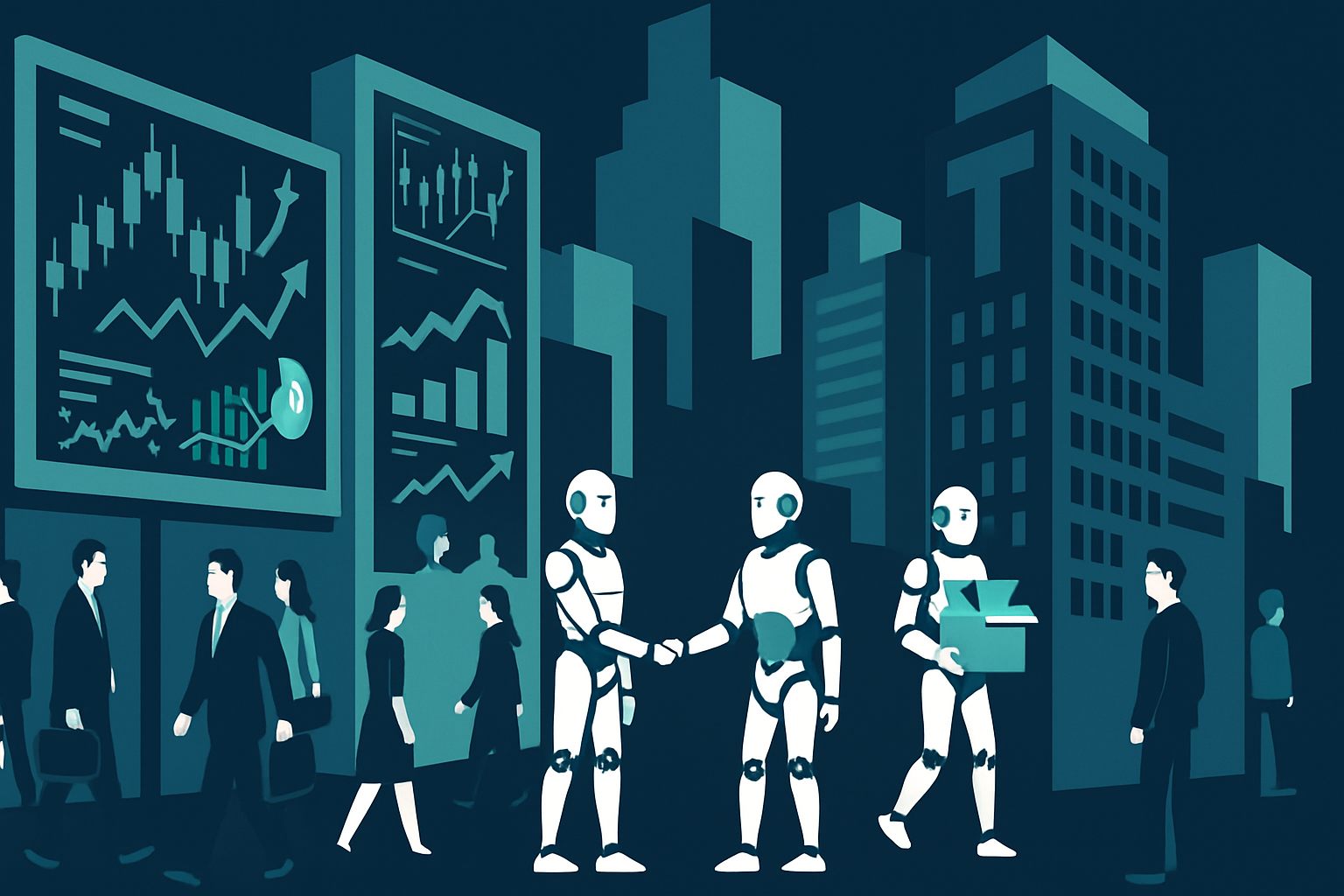
AI-Driven Capital Allocation: Transforming Investment and Labor Markets
AI-driven investments are reshaping capital allocation and labor markets, with significant implications for economic structures. As firms prioritize technology, the displacement of workers and concentration of market power present challenges that require careful management. Read more
-

AI’s Expansion in Defense and Finance: Who Holds the Power?
AI’s growing role in banking and defense underscores a shift towards technological dominance in major industries. This trend raises critical questions about power concentration and equitable benefit distribution. Read more
-

AI’s Role in Reshaping Consumer Markets: The Price Barrier
AI’s market potential is hindered by high costs, limiting its accessibility to a small, affluent segment. This economic barrier raises questions about AI’s democratizing promise and its impact on consumer markets. Read more
-

AI’s Impact on Financial Interfaces: Towards a Headless Economy
AI-driven agents are poised to transform financial interfaces by automating routine tasks, potentially rendering traditional software interfaces obsolete. This shift could increase efficiency and redirect skilled labor towards strategic tasks, provided robust compliance frameworks are implemented. Read more
-
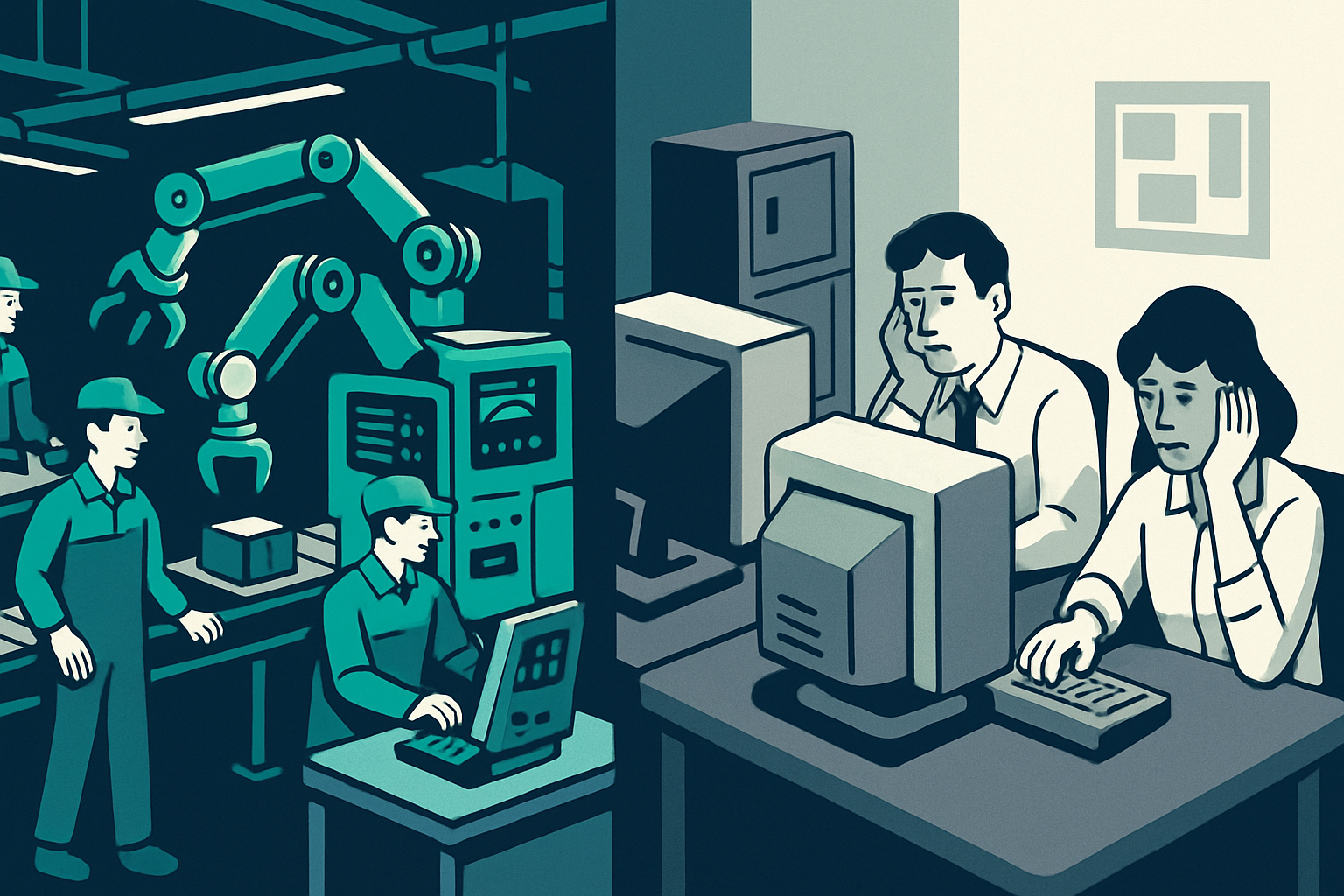
AI’s Uneven Productivity Gains: Who Really Benefits?
AI’s impact on productivity is uneven, benefiting industries with complementary assets like manufacturing more than others. This raises questions about equitable distribution of gains and calls for targeted policy interventions. Read more
-

AI-Driven Robotaxis: Economic Impacts of Tesla and Waymo’s Expansion
Tesla’s rapid expansion of its Cybercabs fleet in Texas signals a major shift in the autonomous vehicle market. While this growth promises more affordable transportation, it raises questions about market pricing and the sustainability of current valuations. Read more
-
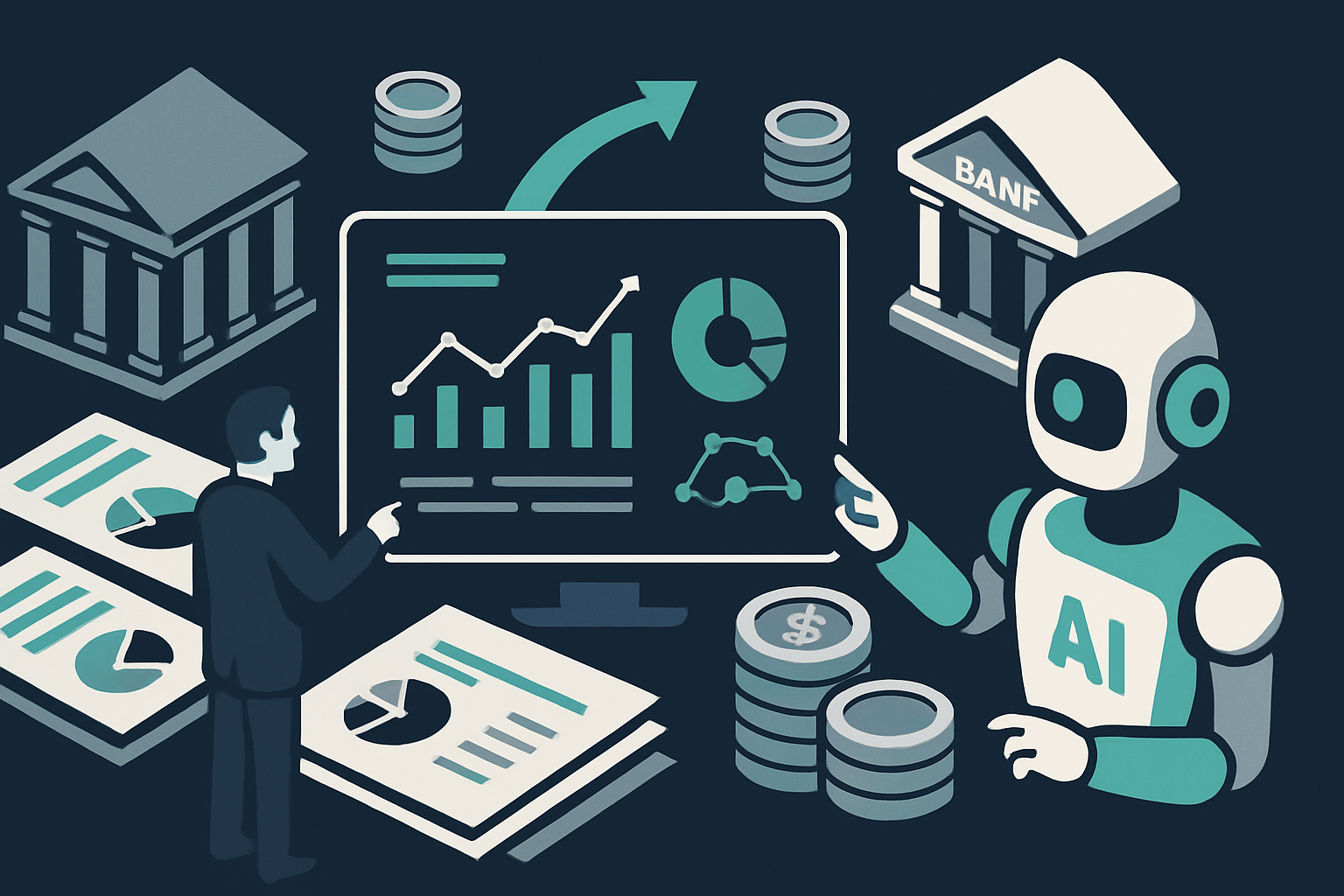
AI’s Role in Supplier Payments: Mechanisms Reshaping Capital Flow
AI is transforming supplier payments through platforms like Mastercard’s, optimizing capital flow and enhancing working capital management. However, successful integration requires redesigning workflows around precise business outcomes. Read more
-

AI’s Capital Influence: Funding Shifts and Market Implications
Recent capital inflows into AI firms emphasize automation and digital infrastructure, signaling a shift in resource allocation. While AI investments promise efficiency, they could also lead to market consolidation, necessitating a balanced approach. Read more
-
The Economic Uncertainties of AI’s Rapid Expansion and Policy Gaps
AI’s rapid expansion is driven by speculative capital and regulatory gaps, risking economic stability. Without substantive policies, the industry’s growth may mirror past bubbles. Read more
-

AI’s Influence on Corporate Structures: Redefining Roles and Responsibilities
AI is reshaping corporate structures by integrating into workflows and redefining roles. While this promises efficiency gains, it also raises accountability and governance challenges, requiring firms to balance technological advancements with fiduciary duties. Read more


