
Category: Industry & Economics
How technology reshapes markets, labor, capital allocation, and business models. Analysis of who gains, who loses, and what the mechanisms actually are.
-
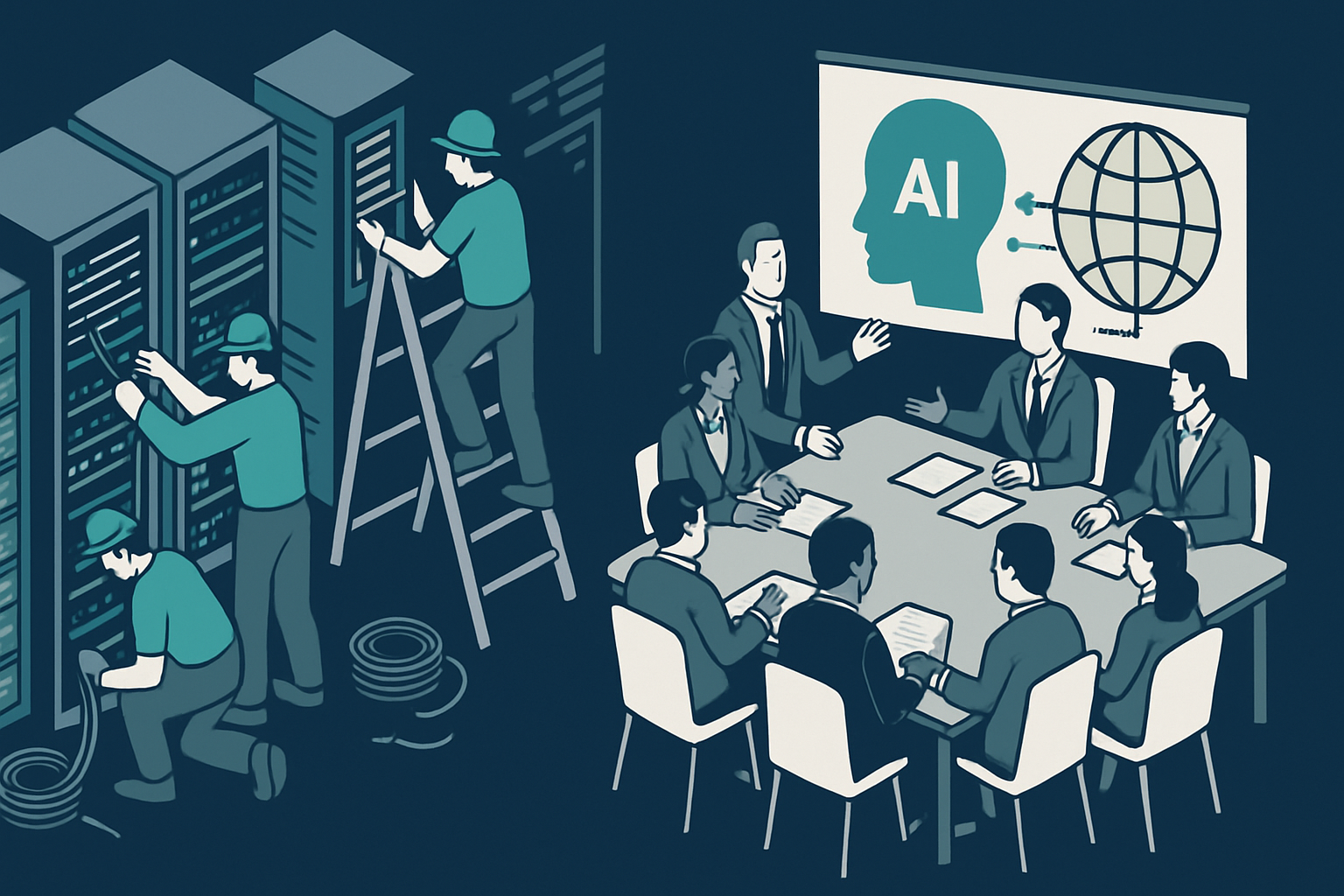
AI’s Evolving Role in Global Trade and Labor Dynamics
AI’s growing influence on global trade and labor highlights both opportunities and challenges. As China considers easing chip purchase restrictions and data centers fuel job growth, the economic landscape shifts in complex ways. Read more
-
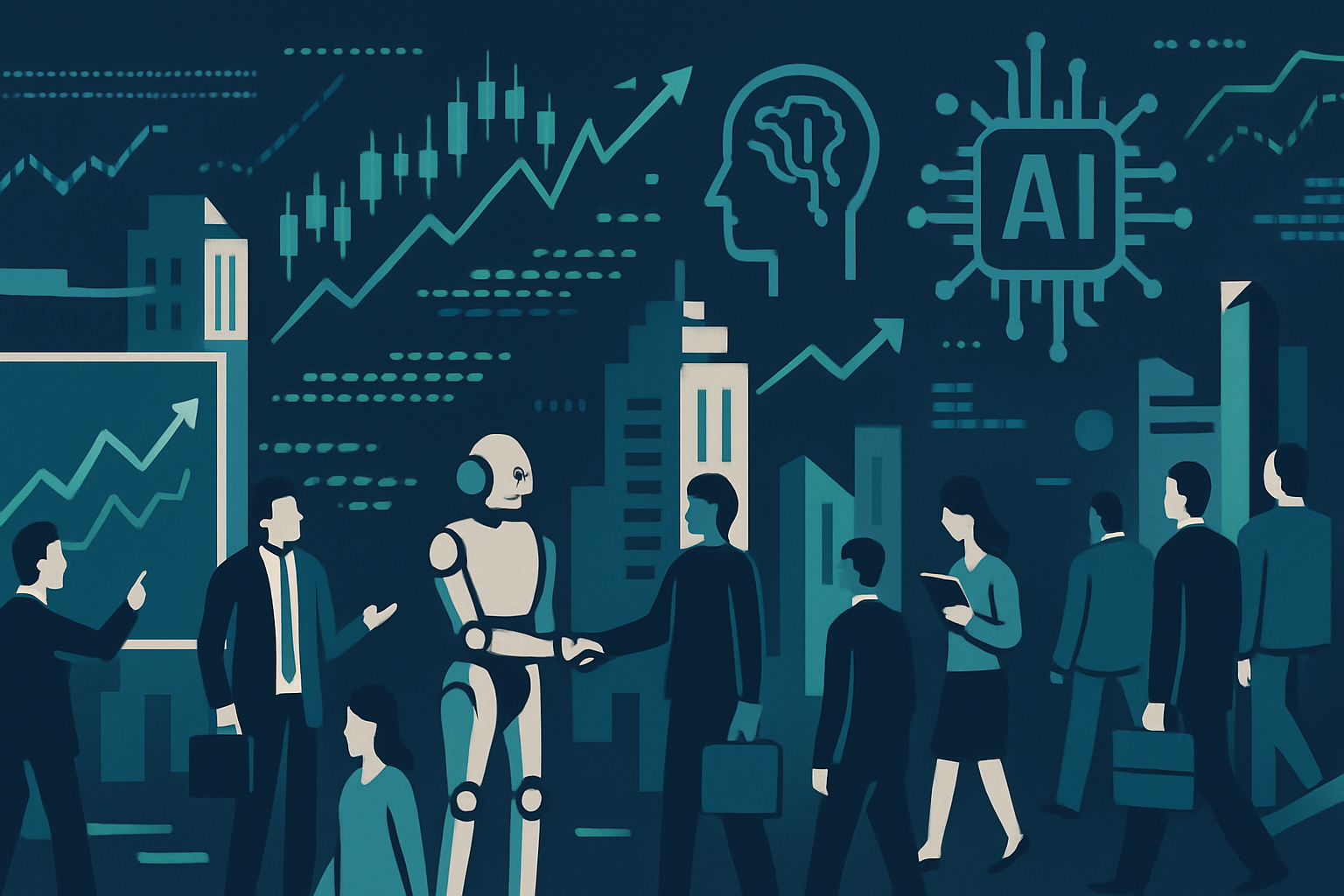
AI’s Productivity Ambitions: Navigating Economic Realities and Market Hopes
AI promises transformative productivity gains, but current evidence suggests its adoption is still nascent. Markets must adjust expectations to align with empirical realities rather than speculative potential. Read more
-

AI’s Role in Rural Transformation: Economic Consequences of China’s Data Center Expansion
China’s conversion of rural farmland into data centers is reshaping local economies and labor markets. While increasing AI capabilities, this shift raises questions about who truly benefits and who pays the cost. Read more
-

AI’s Role in Reshaping IPO Markets: Democratization or Delusion?
Coinbase’s move to democratize IPO access for retail investors marks a significant shift in market dynamics, facilitated by AI. While this could broaden investment opportunities, it also raises concerns about market volatility and the need for regulatory adaptation. Read more
-

AI’s Streamlined Startups: Economic Implications of Smaller Teams
AI-driven startups are achieving significant revenue with minimal staff, altering traditional business operations. This raises questions about the future of employment and the broader economic impact of automation. Read more
-
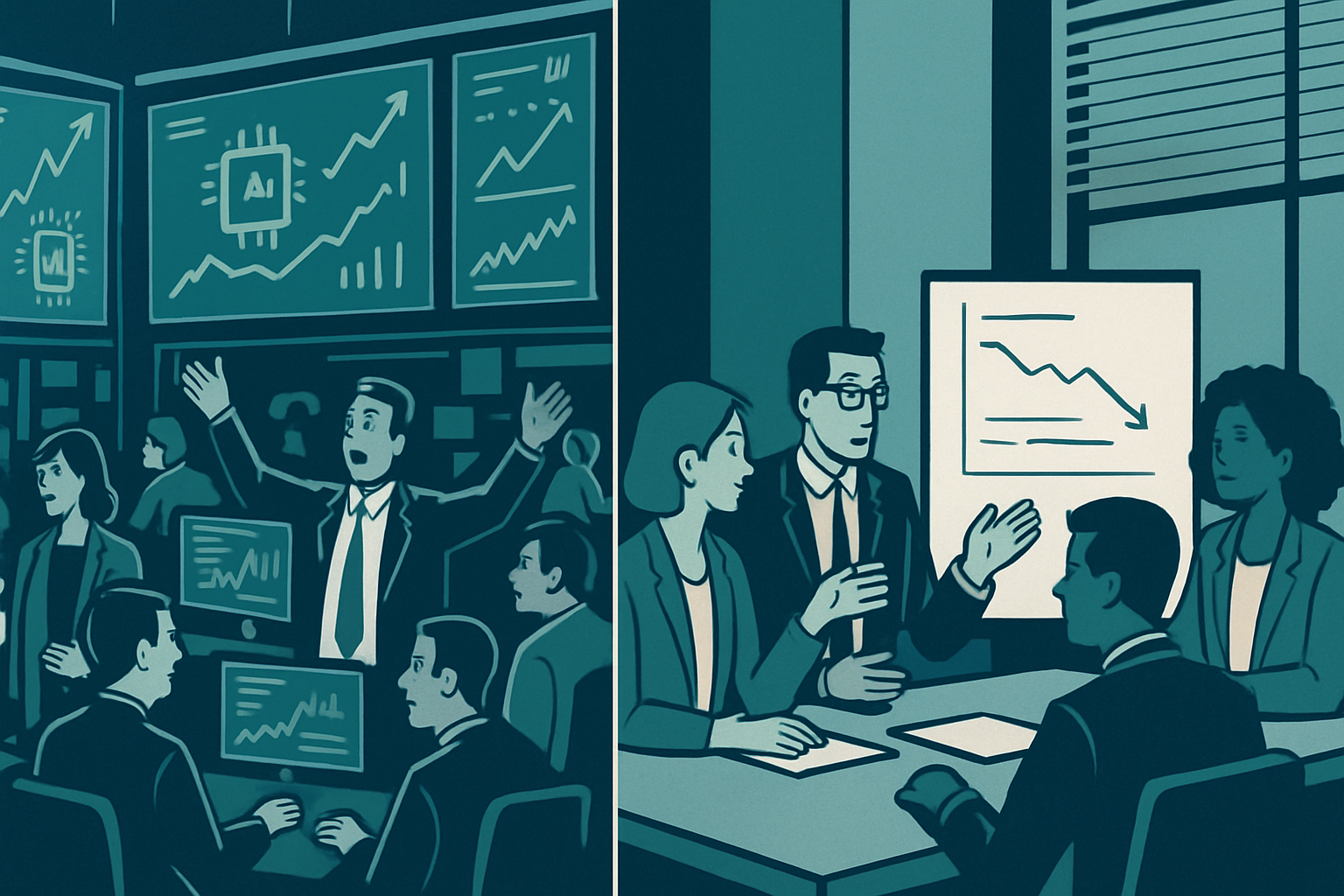
AI, Capital, and the Uneven Path of Innovation: A Structural View
AI-driven innovation is marked by a disparity between capital concentration in AI infrastructure and slower adoption across industries. Coordinated public investment is needed to ensure equitable distribution of AI’s benefits. Read more
-
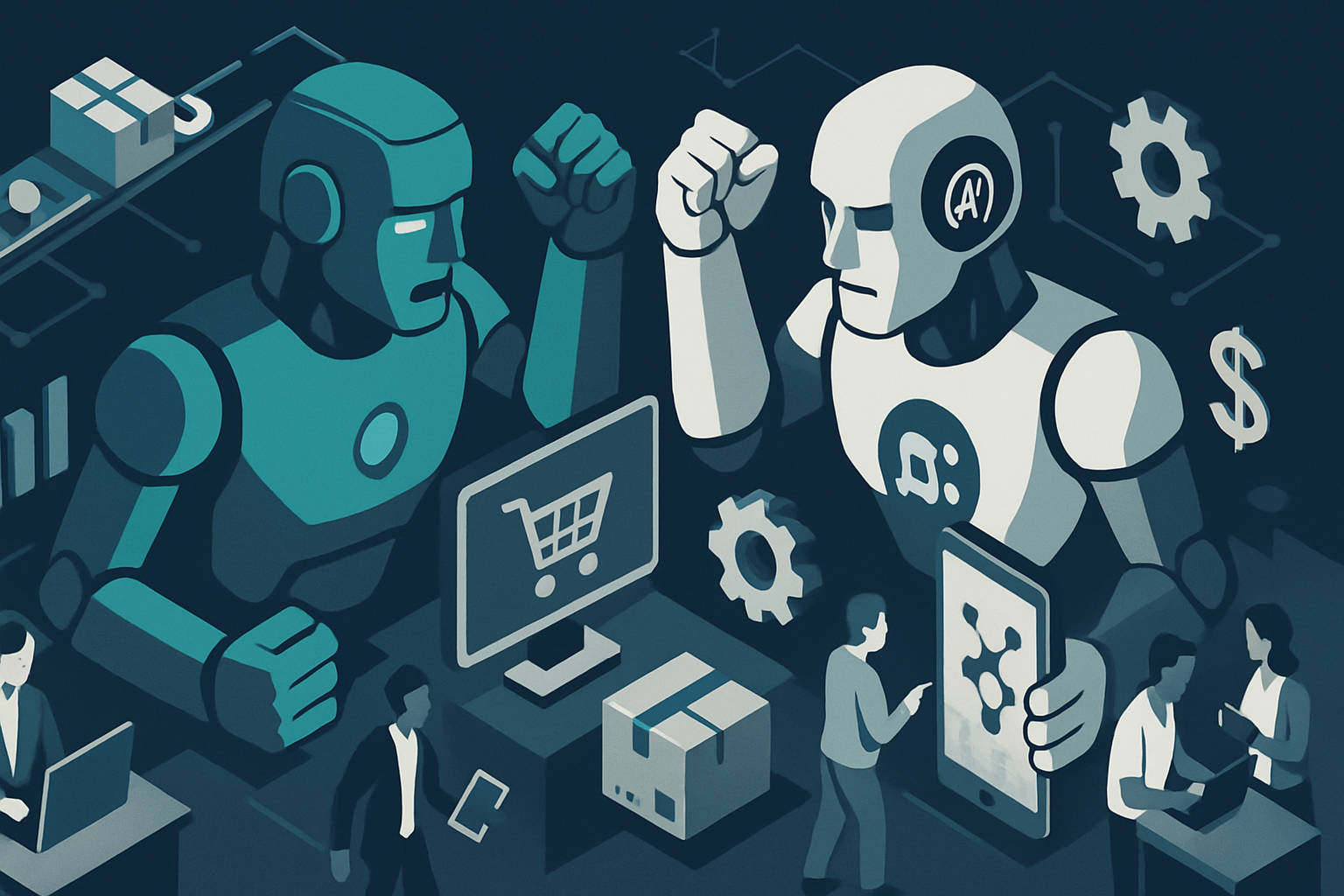
AI Agents and Market Shifts: Uneven Adoption and Economic Tensions
AI adoption is reshaping job roles selectively, not uniformly transforming employment landscapes. Concurrently, the Amazon-Meta conflict over AI agents highlights power struggles in agentic commerce, with broader implications for market control. Read more
-

AI Liability and Regulation: Economic Implications for Innovation
NVIDIA’s call for AI liability shields highlights a critical juncture between innovation and regulation. While encouraging innovation, it’s vital to maintain accountability to sustain market growth and consumer trust. Read more
-

AI’s Role in Reshaping Financial Valuations and Market Dynamics
AI technologies are reshaping financial valuations and market dynamics. Companies must balance AI investments with the need for sustainable growth to align investor expectations with operational realities. Read more
-

AI’s Rising Compute Costs and Security Concerns: Economic Implications
Recent developments in AI highlight a shift in economic dynamics, with rising compute costs and data security concerns reshaping markets. These trends underscore the need for strategic investments and policy interventions to maintain a competitive and sustainable industry. Read more


