
Category: Industry & Economics
How technology reshapes markets, labor, capital allocation, and business models. Analysis of who gains, who loses, and what the mechanisms actually are.
-

AI Investment Boom: Balancing Economic Gains and Market Risks
AI investment is surging, promising economic growth but also posing risks of inequality and market concentration. Strategic regulation is needed to ensure equitable benefits and maintain competitiveness. Read more
-

SpaceX’s Starship IPO Marks Where Space Capital Goes Next
SpaceX’s Starship floated in the ocean for five days while its newly public stock hit an all-time low, then recovered. The volatility reveals a structural mismatch: public markets are applying software-company patience to a hardware-intensive program whose actual timeline runs in decades, not quarters. AI-assisted engineering may help, but it cannot close that gap. Read more
-

Bioelectric Medicine Raises $5.7M and a Harder Question About Hospital Economics
Aurenar’s $5.7M seed round for a wireless vagus nerve stimulator is a clinical story, but it is also an economic one: the device reduces ICU costs, and whether anyone benefits from that reduction depends entirely on how hospitals are paid. The technology is arriving ahead of the reimbursement structures that would make its adoption rational. Read more
-
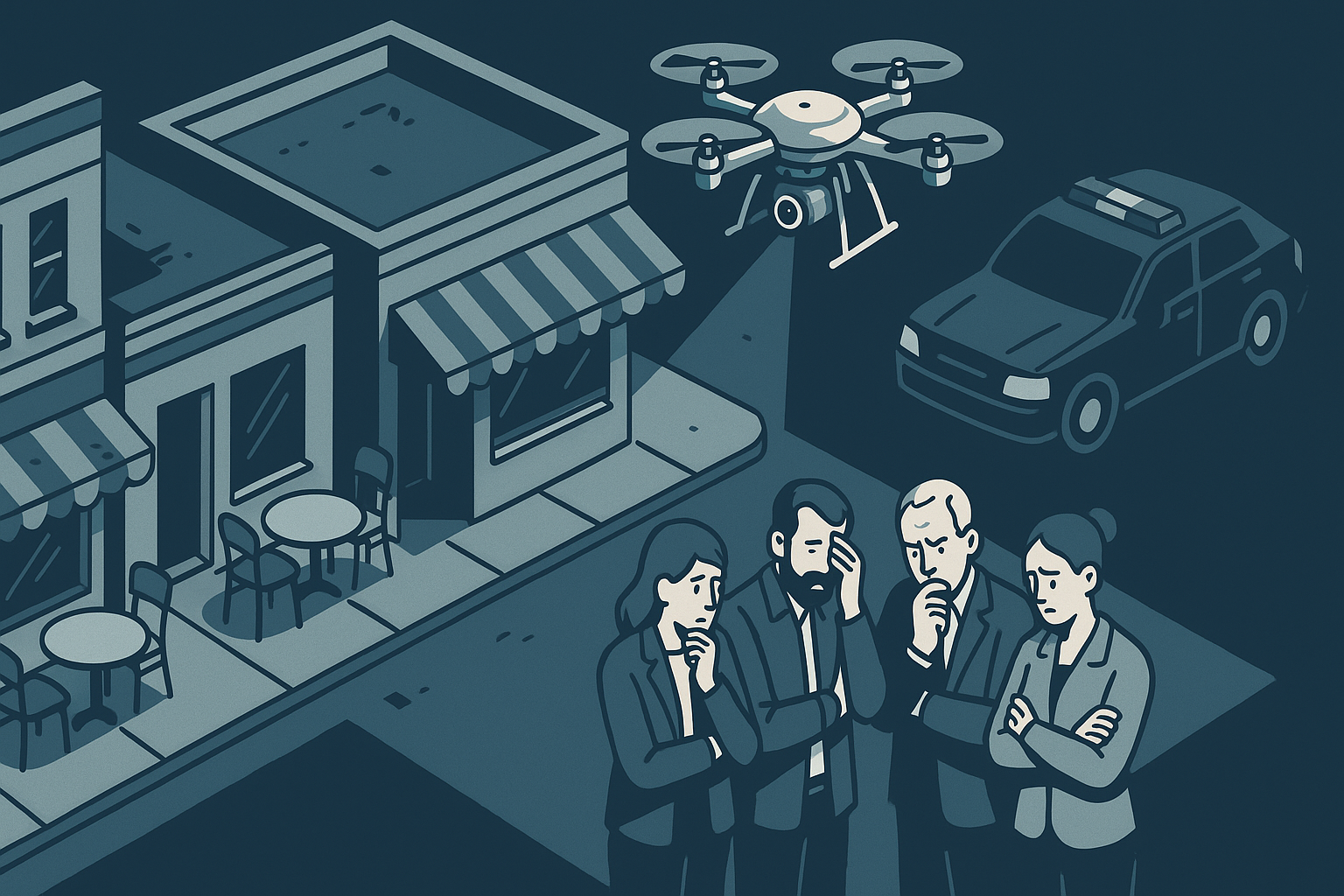
Immigration Enforcement as Economic Shock: What the Data Show About Local Markets
A new UCLA study documents millions in lost revenue for small businesses near immigration enforcement operations in Los Angeles — a cost that falls on commercial corridors built on neighborhood density. The enforcement infrastructure producing these shocks is increasingly AI-assisted, and the economic side-effects scale with the technology. This is not just an immigration story. Read more
-

Set-Jetting Is a Demand Signal That Tourism Has Missed
Streaming platforms have become the most powerful destination-marketing infrastructure on earth, and they operate without licensing, revenue-sharing, or liability to host communities. The 300 percent tourism surge in Thailand following White Lotus and the $730 million Yellowstone effect in Montana are not cultural footnotes — they are attributable demand shocks generated by algorithmic recommendation at… Read more
-

Urban Heat Is a Market Failure That Trees Cannot Fix Alone
Remote sensing and machine learning have made urban heat mapping precise enough that Spokane can identify, to the degree, which neighborhoods are 14°F hotter than others. The technology that surfaces the problem has scaled. The public investment required to address it has not. Better measurement is not a substitute for redistribution. Read more
-

AI’s Evolving Role in Reshaping Market Dynamics and Consumer Trust
Recent developments in AI-driven insurance and marketing strategies highlight a shift towards more personalized consumer experiences. The economic implications are significant, as AI integration promises increased efficiency and consumer empowerment, despite regulatory challenges. Read more
-

The Economic Implications of Technological Consolidation in Wealth Management
The acquisition of Transcend by Arax highlights a trend of consolidation and technological integration in wealth management. This shift promises efficiency but raises concerns about market concentration and labor market impacts. Read more
-

The Integration of AI in Financial Services: A New Era of Efficiency and Access
The integration of AI in financial services is transforming the landscape by enhancing efficiency and democratizing access to alternative investments. This shift not only improves operational workflows but also broadens financial opportunities for a wider range of investors. Read more
-

AI’s Role in Enterprise Efficiency: The Quiet Revolution of Automated Assessments
Amidst the buzz of AI breakthroughs, the rise of automated assessments in enterprise IT environments signals a subtle yet impactful transformation. By enhancing efficiency and strategic decision-making, AI-driven tools like the Sikich Azure Assessment are reshaping how organizations operate and compete. Read more


