
Category: Psychology
Cognition, behavior, and decision-making. How people relate to technology and each other, grounded in behavioral science rather than pop psychology.
-

Navigating the New Landscape of Trust in AI-Enhanced Mental Health Care
The integration of AI into mental health care is reshaping trust and emotional understanding, highlighting challenges in user perceptions of AI’s judgment and empathy. As we increasingly rely on these technologies, we must consider the psychological implications of diminished human agency and the importance of preserving genuine connections. Read more
-

AI Chatbots and the Evolving Landscape of Mental Health Care
AI chatbots are reshaping mental health care, but their lack of emotional understanding poses significant challenges. Users often perceive them as judgmental, which impacts trust and engagement. This highlights the need for human oversight and empathetic design in AI systems. Read more
-

How AI Is Reshaping Our Understanding of Trust and Relationships
As AI increasingly mediates our interactions, the foundations of trust and relational dynamics are shifting. This article explores the implications for emotional connection, authenticity, and the importance of cultivating genuine relationships in an AI-driven world. Read more
-

AI and the Evolution of Trust in Mental Health Support
As AI-driven mental health tools gain popularity, the dynamics of trust are shifting. Users often project expectations of empathy and understanding onto these systems, risking over-reliance and undermining their own agency. Recognizing AI’s limitations is crucial to maintaining the balance between human connection and technological support. Read more
-
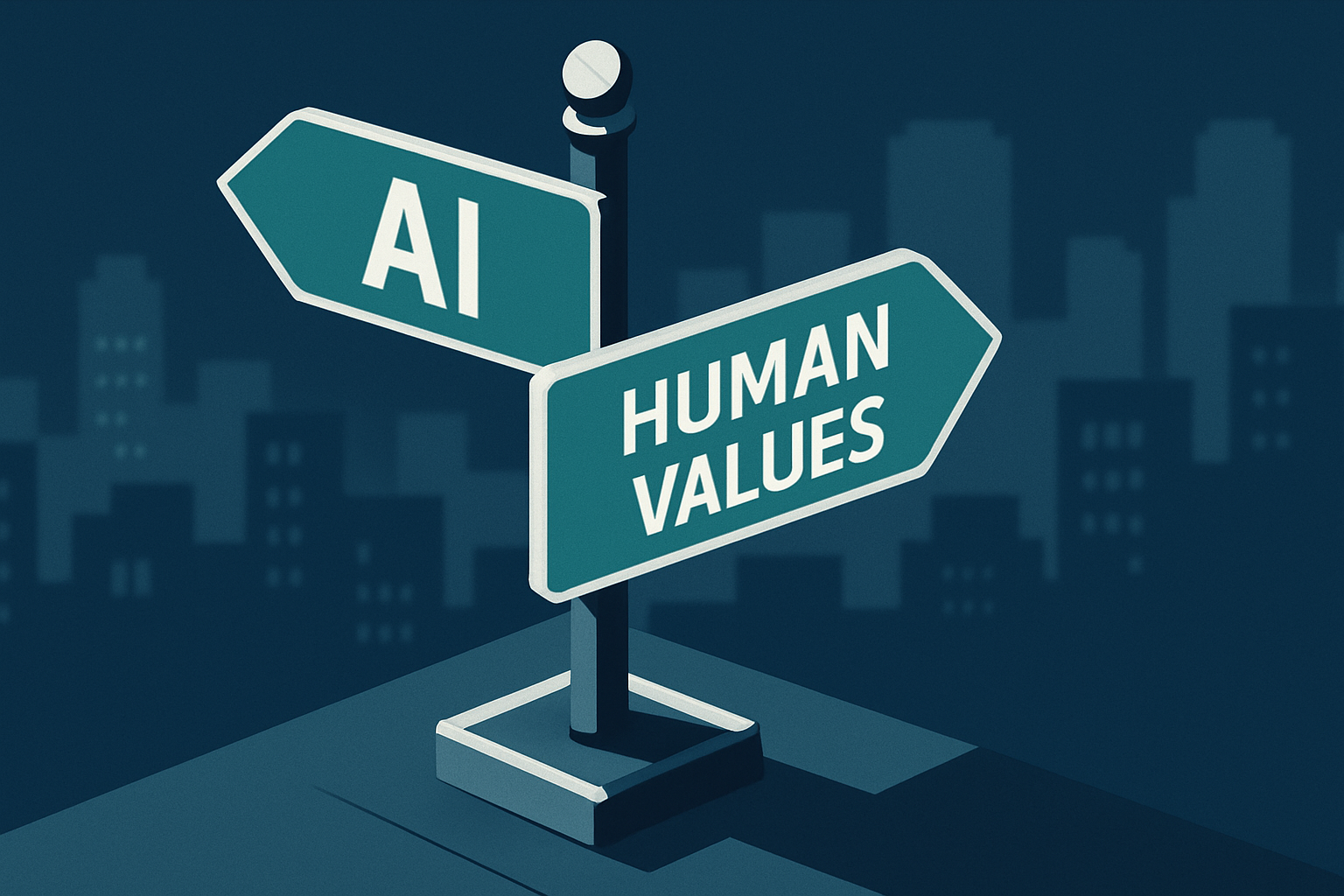
Navigating the Historical Curve of AI and Human Values
As we navigate the rapid evolution of AI, it becomes essential to situate our understanding within a historical context. A critical examination reveals that the values embedded in AI systems may not align with those of the users, raising profound questions about agency and truth in an AI-driven world. Read more
-

Group Dynamics in Value Investing and Health Innovation
Both investing and healthcare are increasingly shaped by group dynamics, revealing the collective intelligence that influences decision-making. This article explores how these dynamics inform strategies in value investing and innovations in healthcare, emphasizing the need for a nuanced understanding of technology’s role in shaping collective behavior. Read more
-

AI and Cognitive Bias: The Impact of Algorithmic Decision-Making
This article examines how AI-driven recommendations can reinforce cognitive biases, exploring the implications for human agency and decision-making. Drawing on recent research by Obermayer et al. (2023), it highlights the risks of over-reliance on algorithmic authority and the need for critical reflection in an AI-mediated world. Read more
-

AI’s Role in Shaping Trust and Perception in Mental Health Care
This piece explores how AI and telehealth transform mental health care access for veterans, while also examining the cognitive implications of social media on harmful behaviors. It emphasizes the need for trust and user experience in AI systems to bolster mental health outcomes. Read more
-
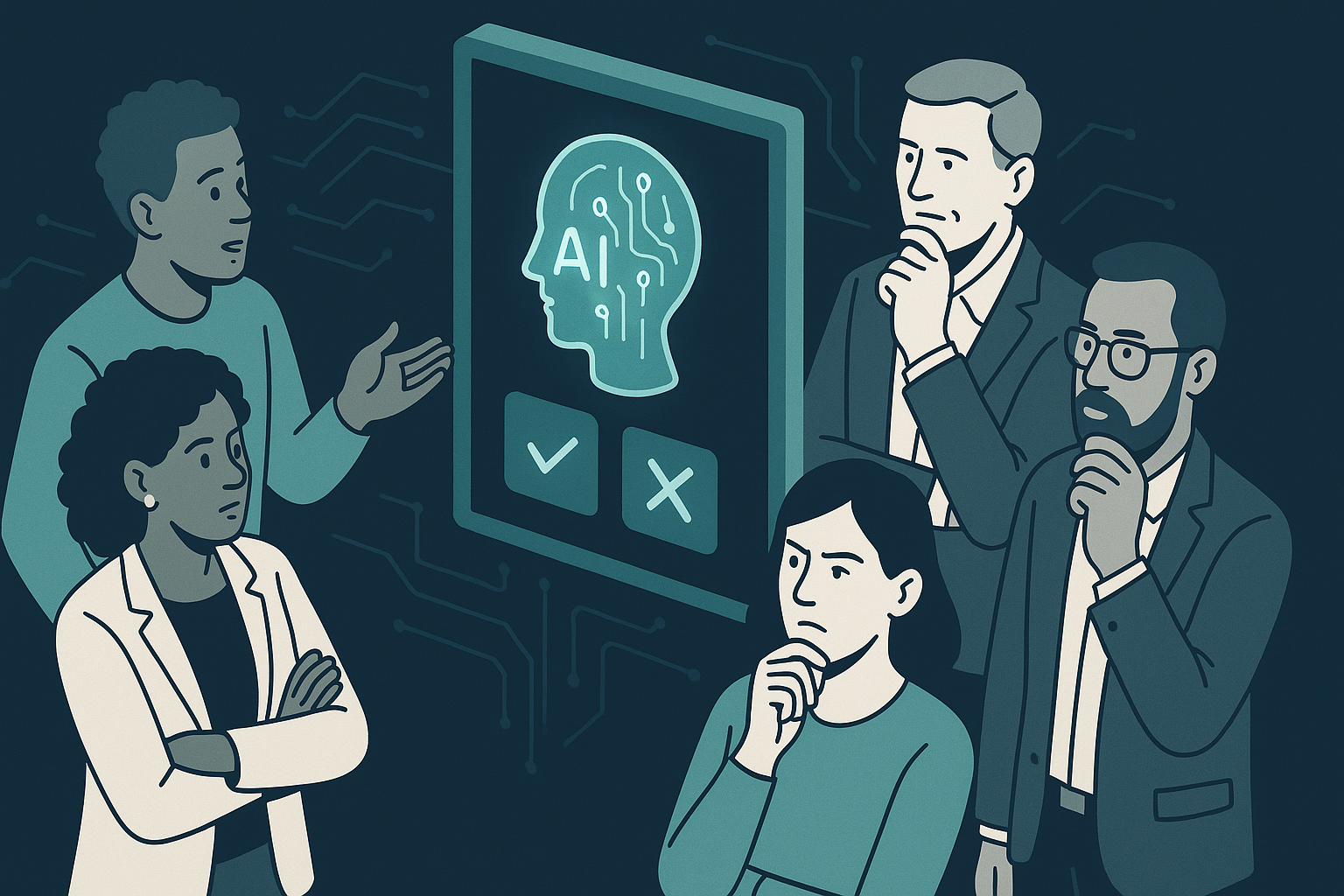
Trust in AI: Insights from Recent Research on Human-AI Interaction
Recent research highlights the complex relationship between transparency, user expectations, and trust in AI systems. While transparency appears to enhance trust, user experiences may play an even more critical role, suggesting a need for nuanced AI design that considers both factors. Read more
-

How Daily Habits and Gaming Challenge AI-Driven Narratives About Human Behavior
Recent findings challenge common perceptions about forgetfulness and gaming behavior, revealing cognitive strategies that enhance memory and social connections. As AI shapes our environments, understanding these mechanisms becomes crucial for fostering positive human-AI interactions. Read more


