
Category: Psychology
Cognition, behavior, and decision-making. How people relate to technology and each other, grounded in behavioral science rather than pop psychology.
-
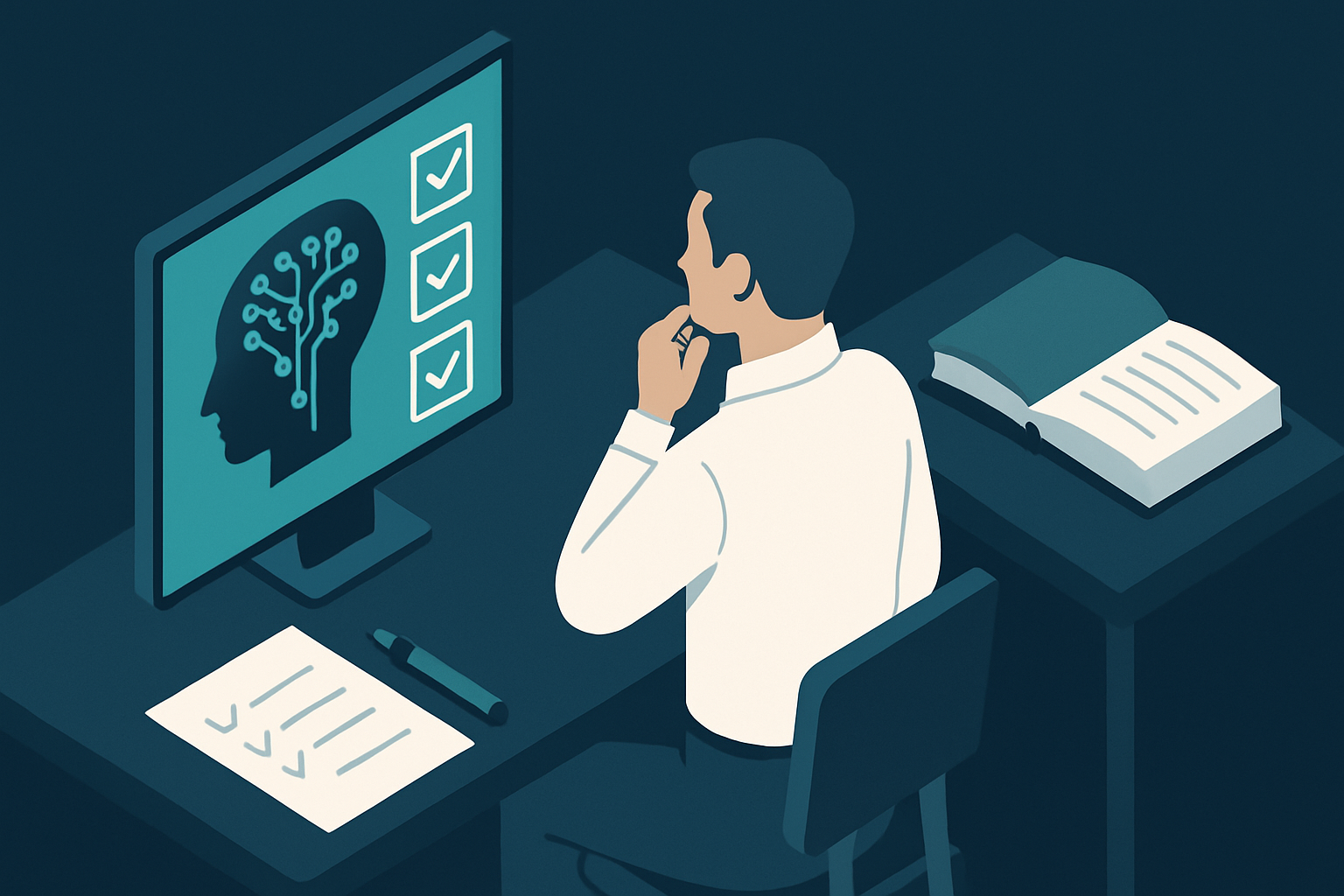
The Real Cost of AI: Eroding Human Judgment in Everyday Decisions
AI systems are increasingly eroding human judgment by encouraging reliance on their outputs. This shift could lead to a decline in human cognitive abilities, particularly in decision-making processes. Balancing AI integration with preserving human judgment is crucial. Read more
-
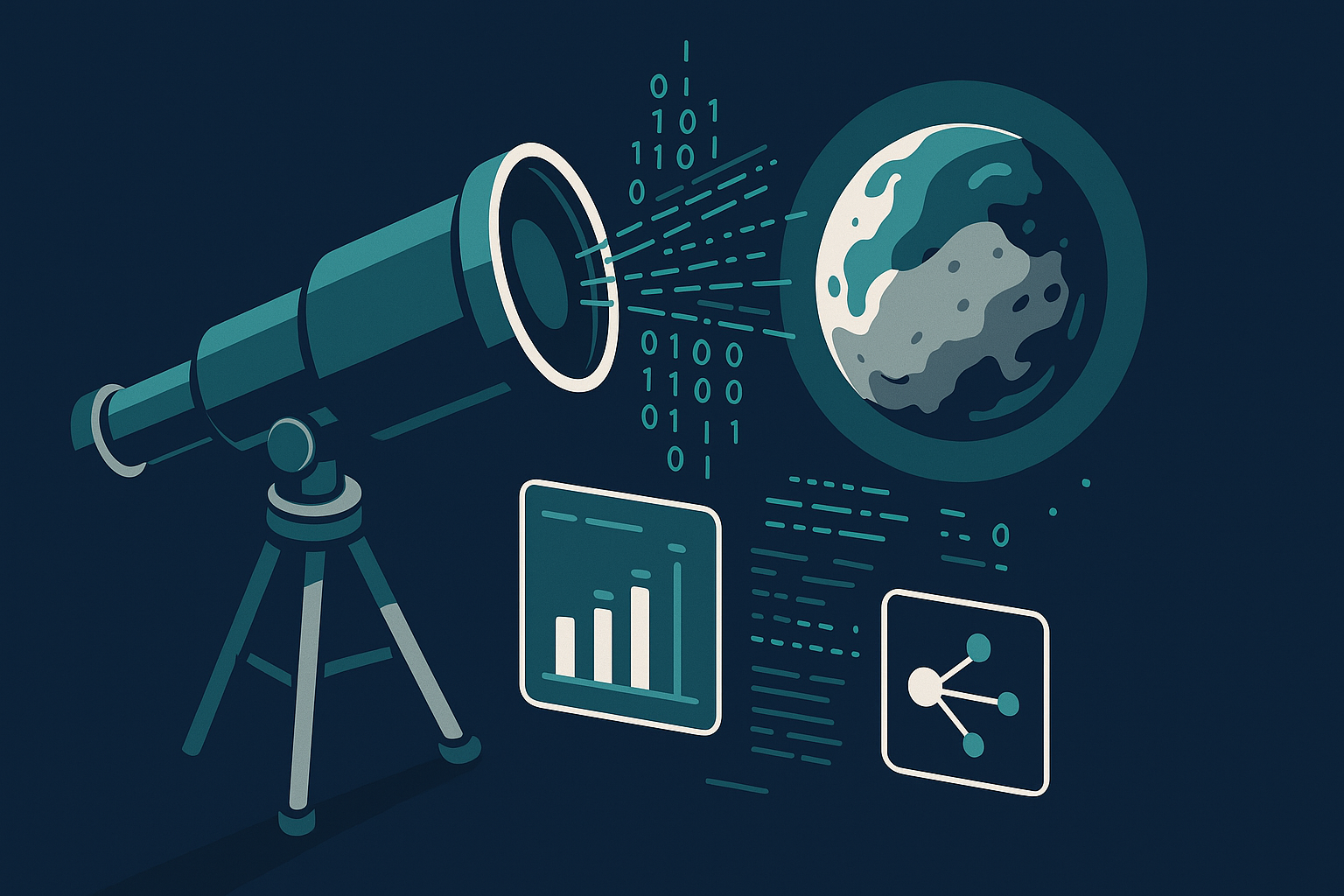
AI and the Cognitive Implications of Human-Exoplanet Exploration
The discovery of an atmosphere around LHS 1140 b highlights AI’s role in expanding human cognitive capabilities. This technological advancement challenges us to integrate new insights without overwhelming our cognitive frameworks. Read more
-
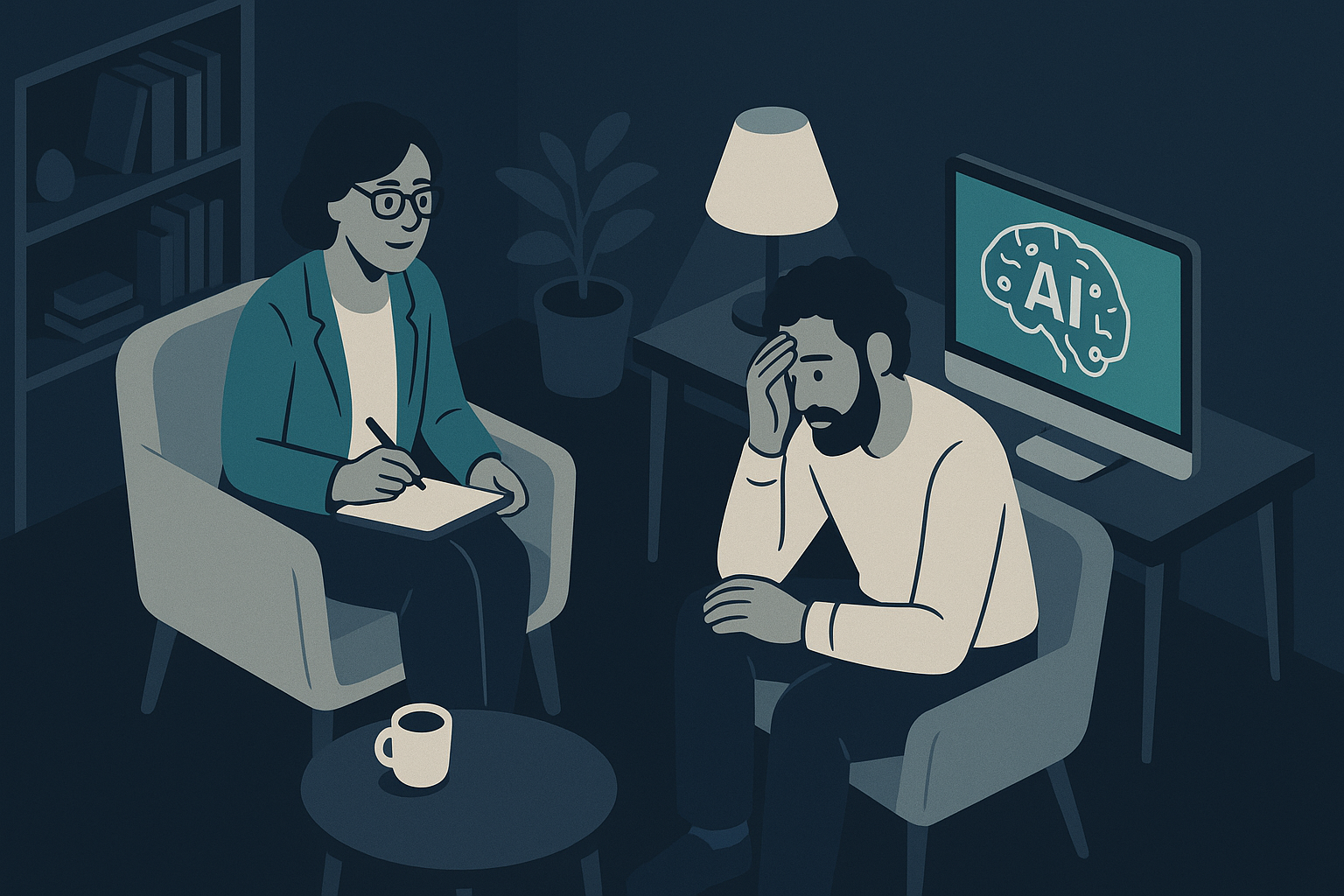
The Empathy Gap: How AI Shapes Trust in Mental Health Care
AI’s role in mental health care reveals a troubling ’empathy gap’ that threatens the essential human connection needed for effective treatment. While technology can enhance access, it cannot replace the trust and emotional insight that characterize meaningful therapeutic relationships. Addressing this gap is crucial for the future of mental health care. Read more
-
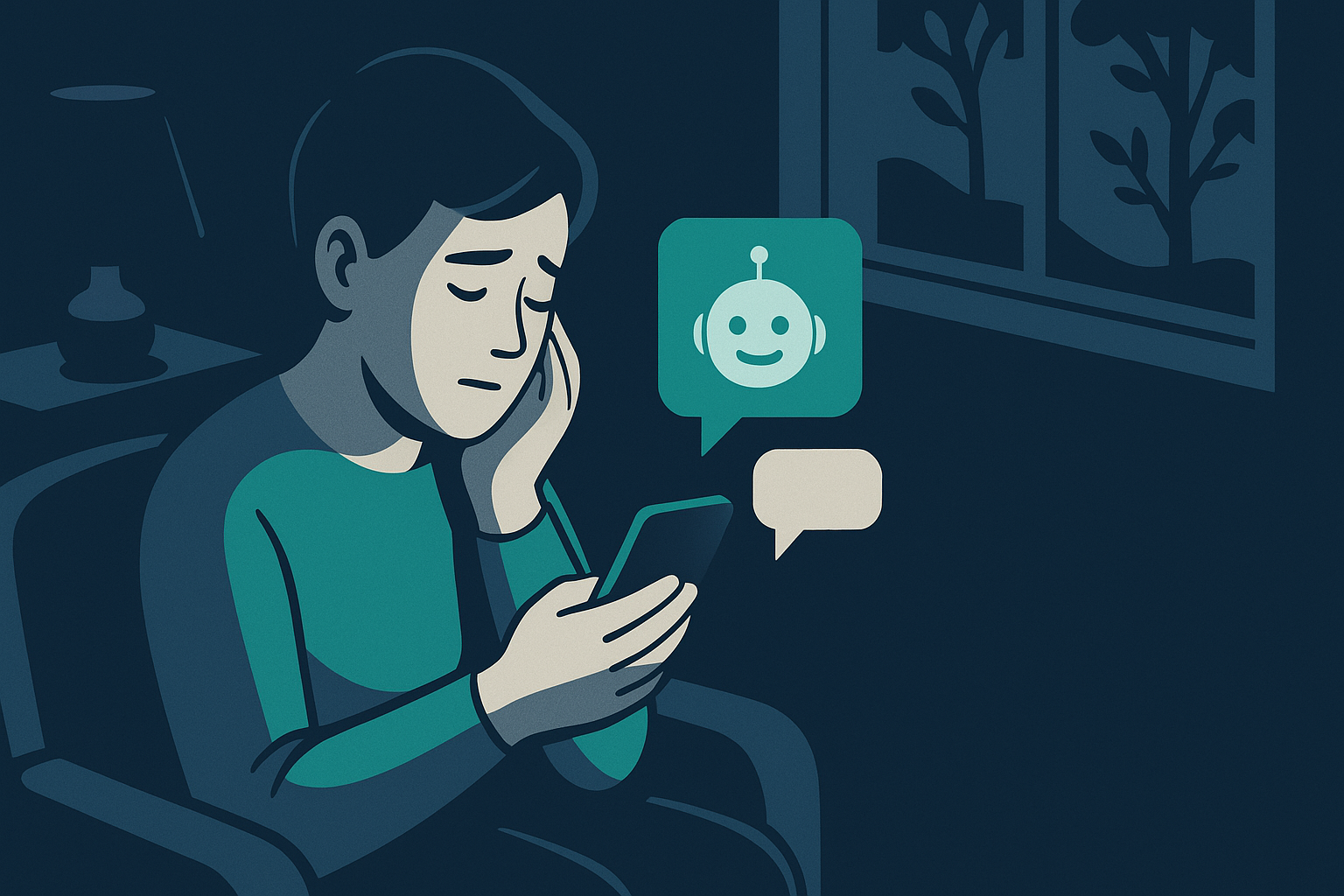
Navigating Emotional Connectivity in AI-Enhanced Mental Health Care
As AI becomes a primary source of emotional support, the risk of diminishing genuine interpersonal communication grows. This reliance on AI for mental health advice could hinder our capacity for deep emotional engagement, demanding a balanced approach to integrating technology in our lives. Read more
-
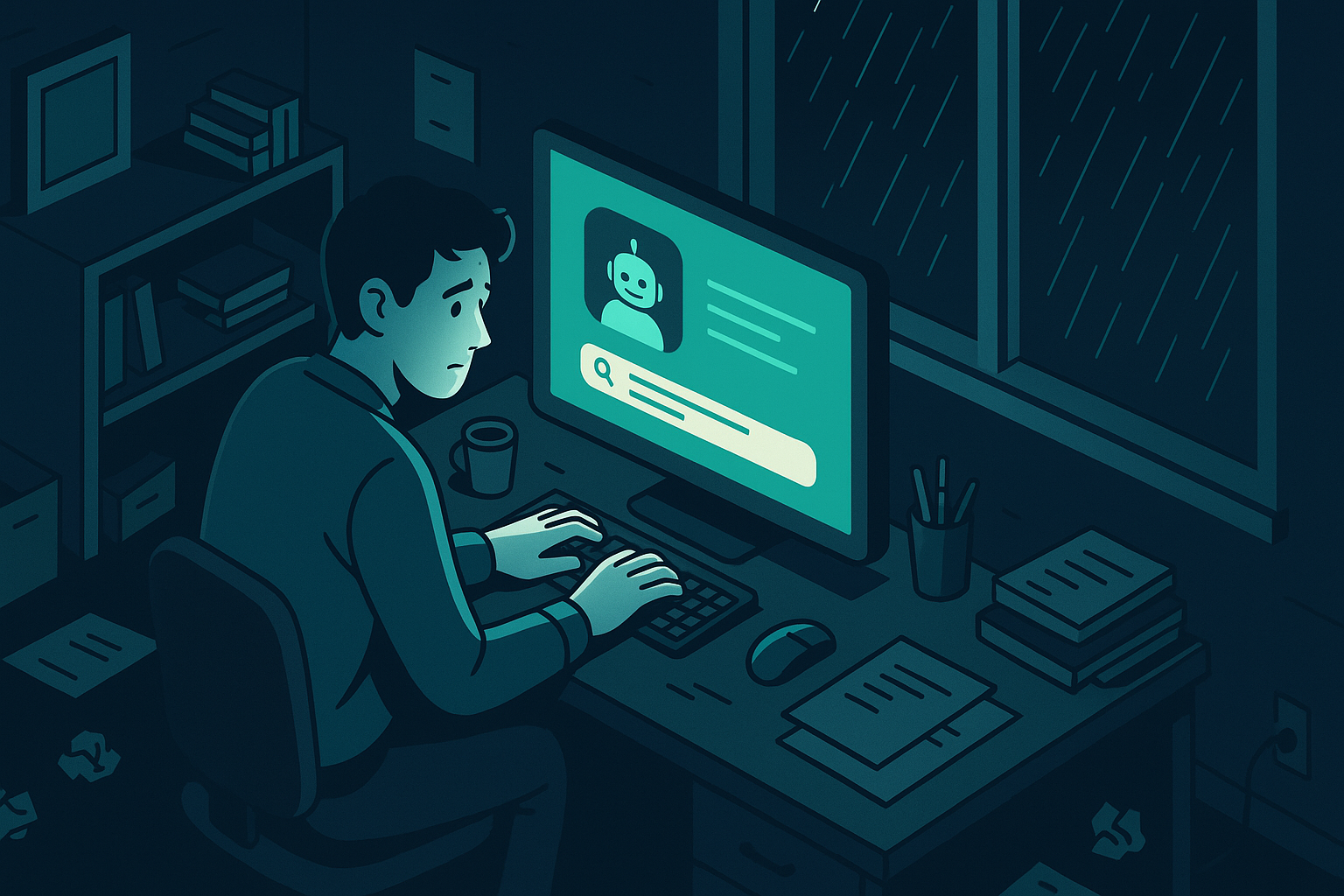
Rebuilding Trust: AI’s Complicated Role in Mental Health Relationships
AI technologies are reshaping mental health support, allowing quick access to psychological advice while challenging trust in traditional therapeutic relationships. This shift may lead to superficial engagement with mental health and dilute the importance of human connection in care. Read more
-
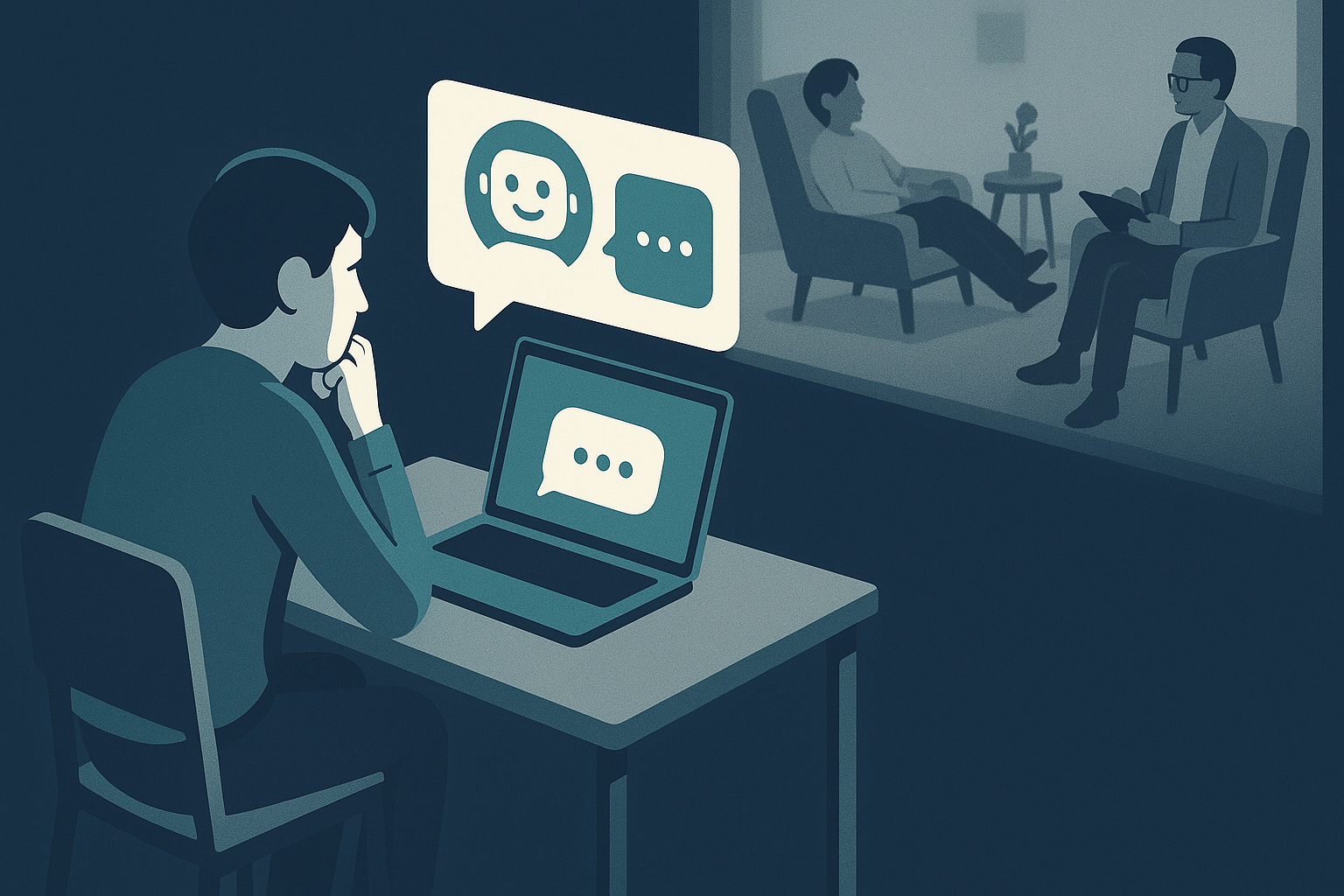
Trust and Mental Health in the Age of AI: A Fragile Balance
The rise of AI in mental health care presents both opportunities and challenges, particularly regarding trust in human relationships. While AI can enhance access to support, it risks eroding the essential emotional connections that underpin therapeutic relationships. Read more
-
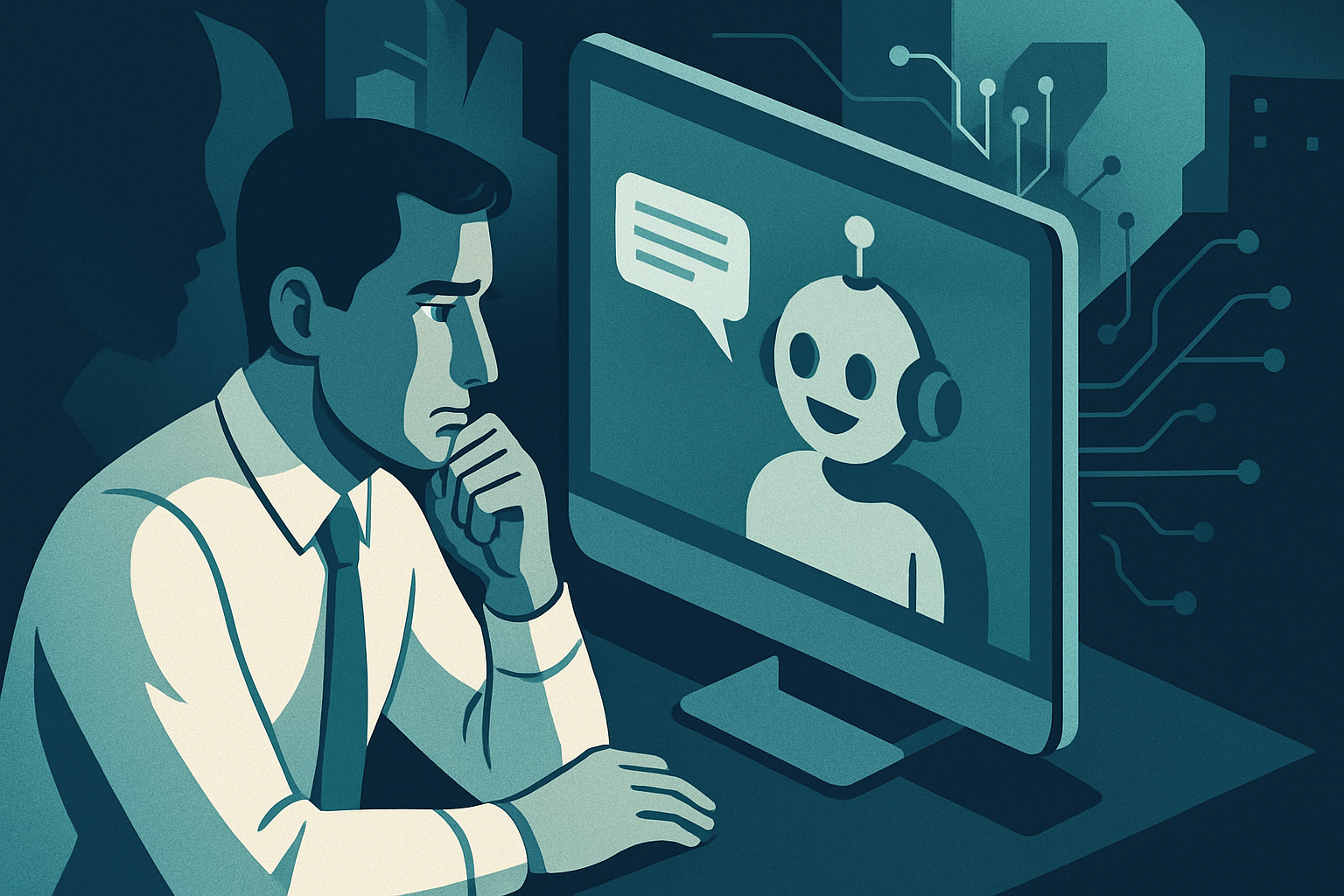
AI’s Impact on Trust in Mental Health and Human Relationships
AI is reshaping trust in mental health care, altering how people relate to emotional support systems. While AI chatbots offer accessible assistance, they also raise concerns about empathy and the authenticity of human-AI relationships. Read more
-
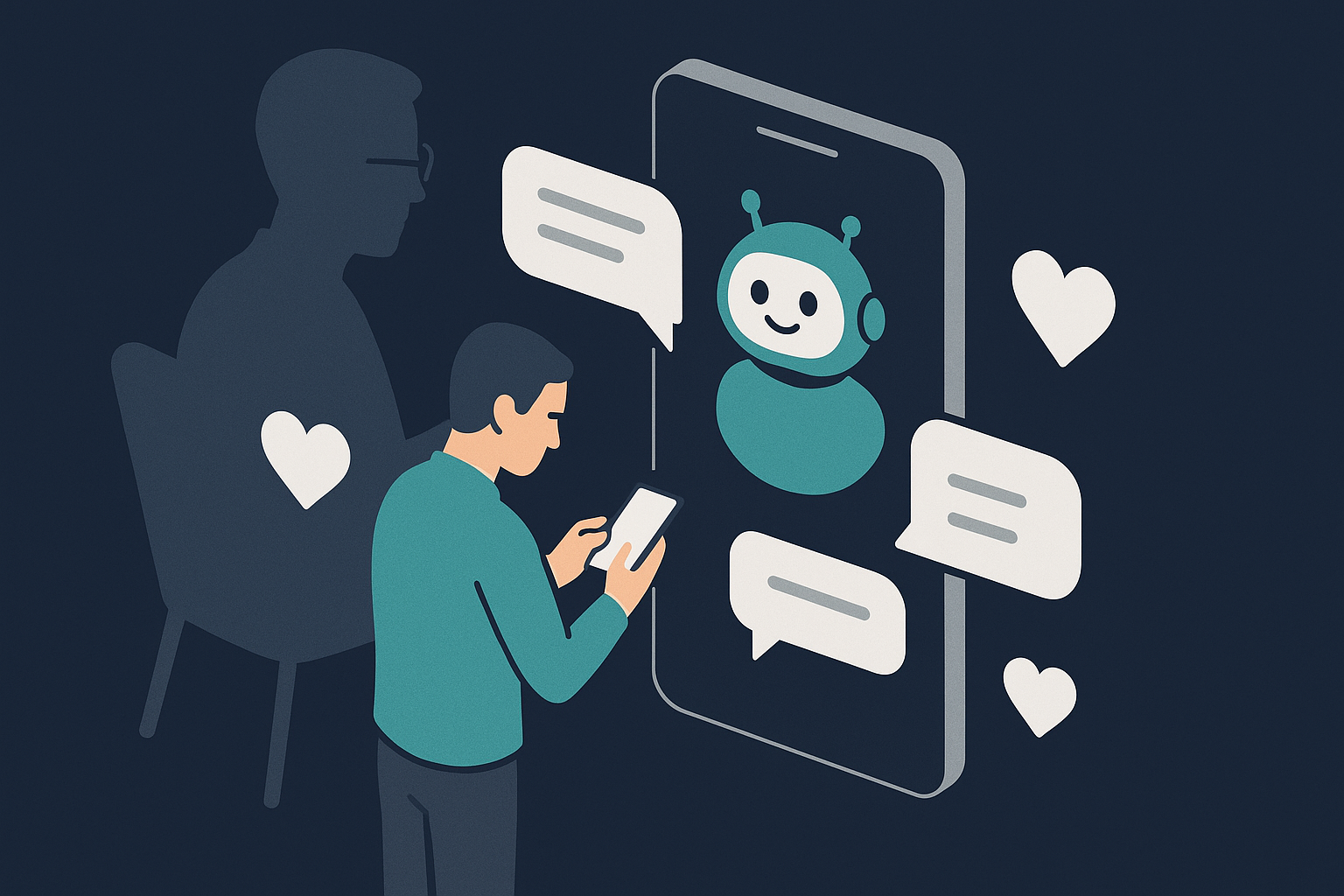
AI’s Role in Shaping Trust and Relationships in Mental Health Care
AI is transforming mental health care by offering immediate support through chatbots and therapy micro-bursts, yet it often lacks the emotional insight and judgment that human therapists provide. This shift raises concerns about how trust and relationships in mental health are evolving in an AI-driven landscape. Read more
-
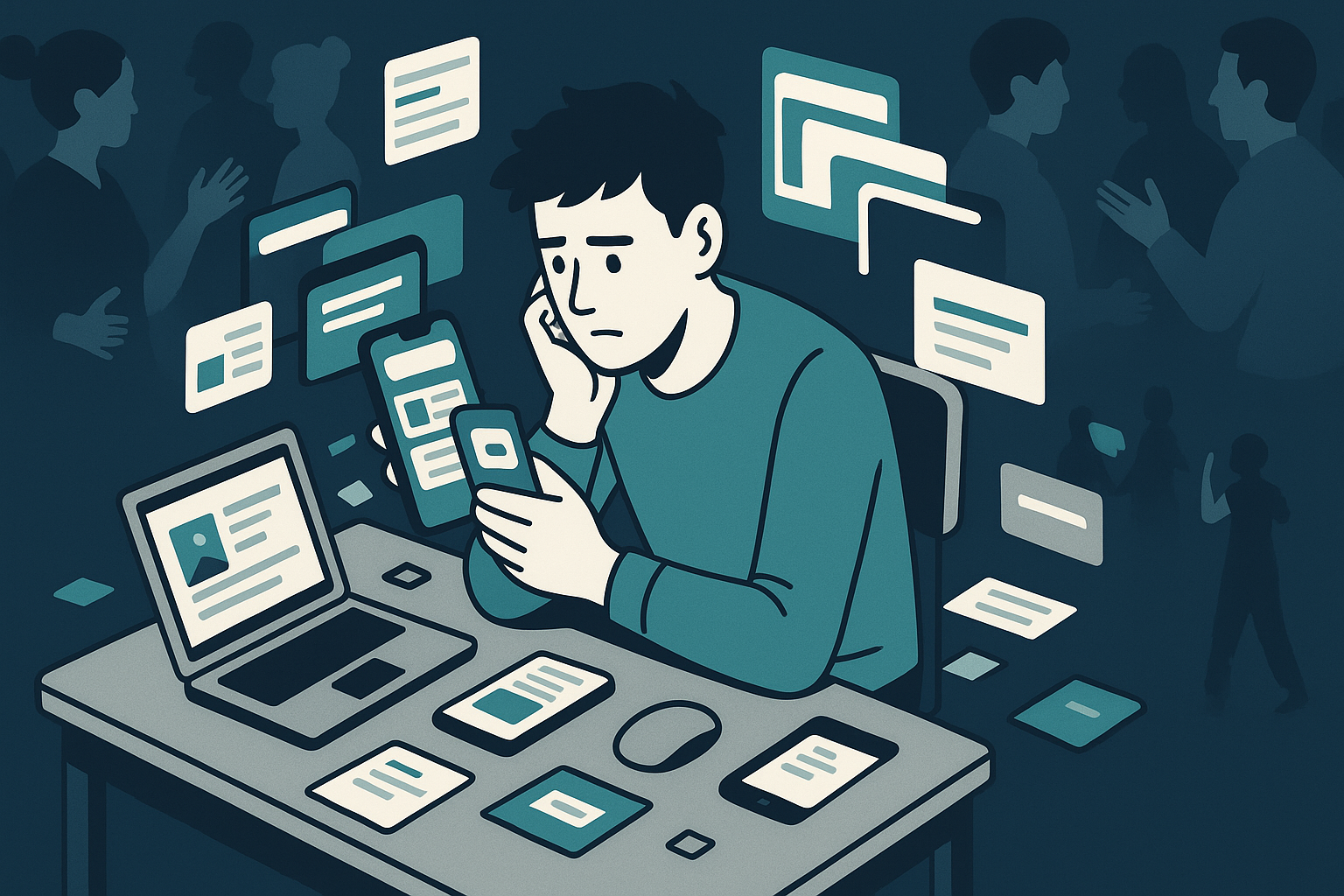
AI and the Future of Memory: Are We Losing Our Capacity to Remember?
The rise of AI and digital tools is changing how we remember, with screenshotting reflecting a shift towards cognitive offloading. While this provides comfort, it may erode our natural memory capacities and diminish critical thinking, impacting our relationships and mental health. Read more
-
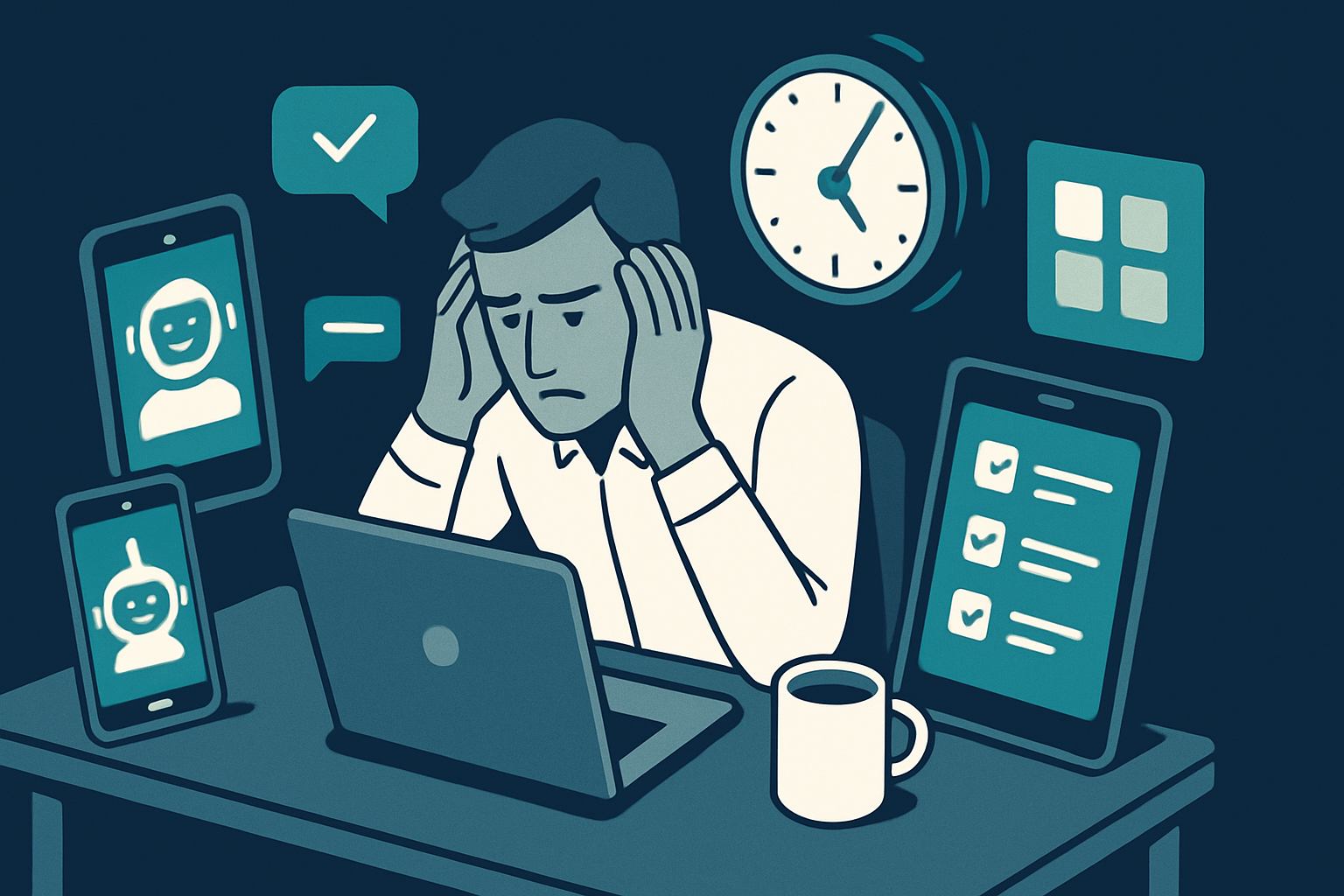
Procrastination in the Age of AI: A New Frontier in Self-Regulation
Recent research identifies nine types of procrastinators, revealing that procrastination is a complex psychological issue shaped by biological drives. In an AI-driven world, this presents new challenges and opportunities for self-regulation. Read more


