
Category: Psychology
Cognition, behavior, and decision-making. How people relate to technology and each other, grounded in behavioral science rather than pop psychology.
-
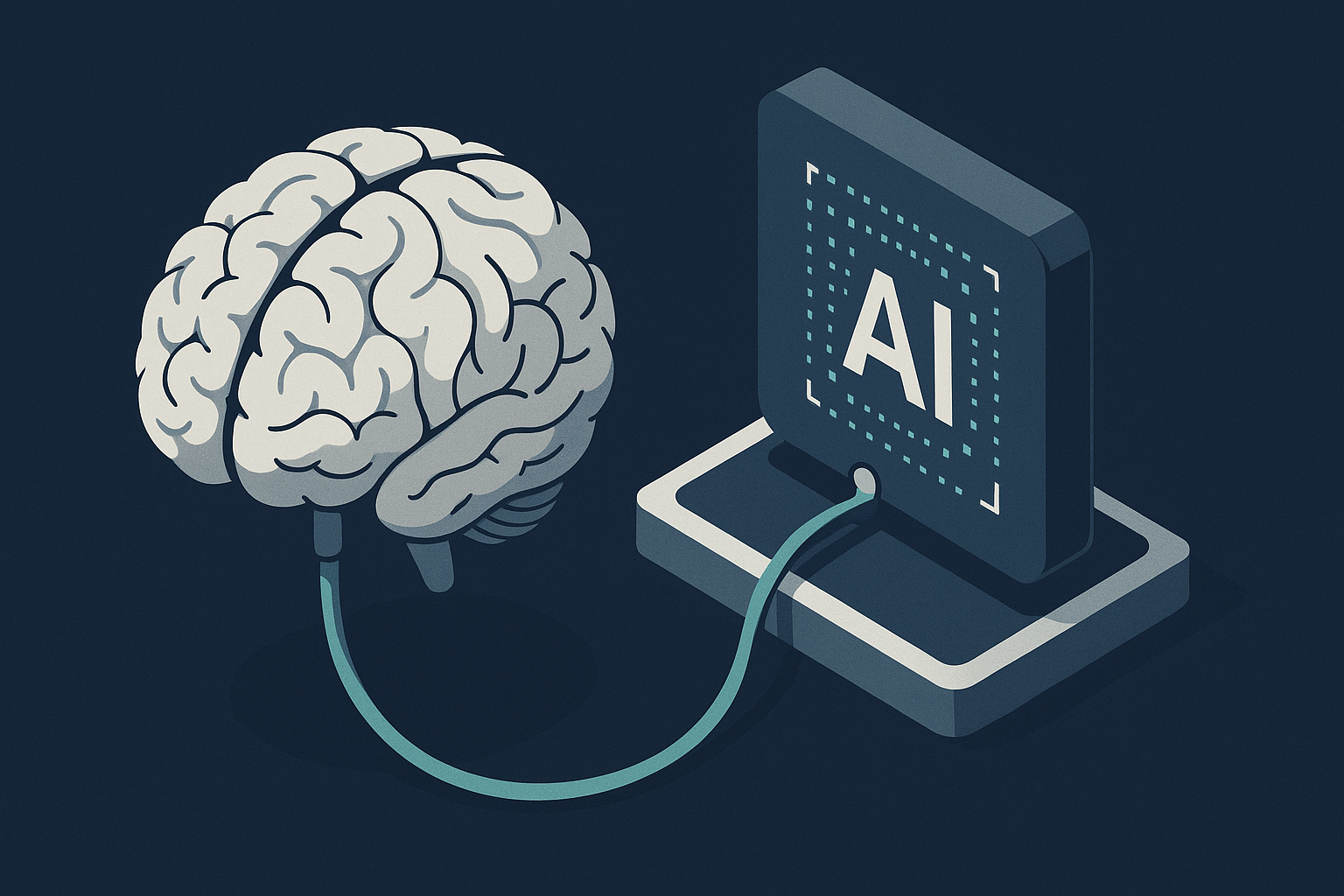
System 0: How AI as External Cognition Challenges Human Autonomy
The emergence of ‘System 0,’ an external cognitive system powered by AI, challenges human autonomy by altering the landscape of decision-making and thought. While AI enhances cognitive processes, it is crucial to maintain a critical stance to preserve independent thinking. Read more
-
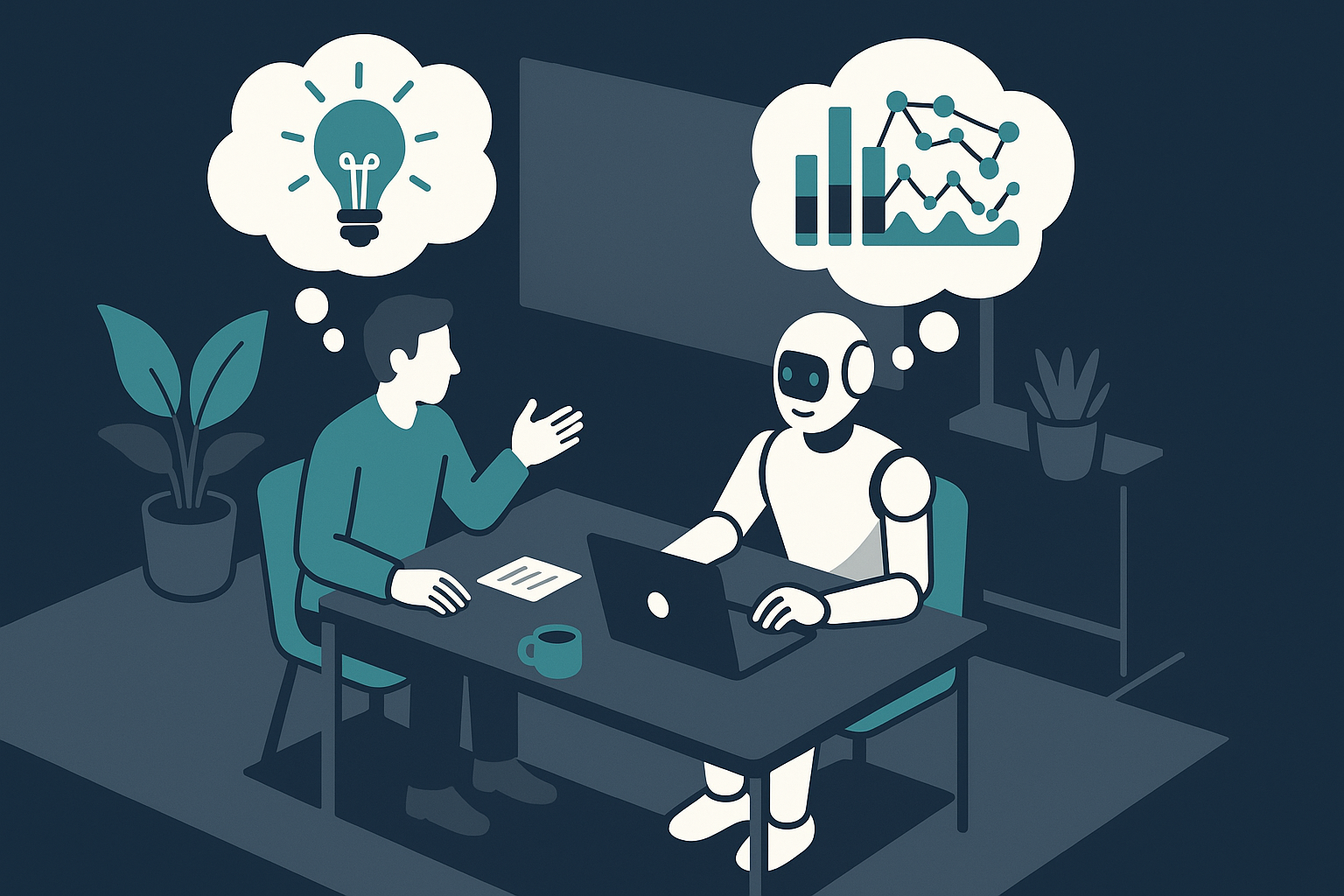
AI’s Influence on Theorizing and Human Imagination
AI’s data-driven capabilities contrast with human theorizing, which is essential for creativity and innovation. This divergence raises concerns about the future of human cognitive engagement in strategic decision-making contexts. Read more
-
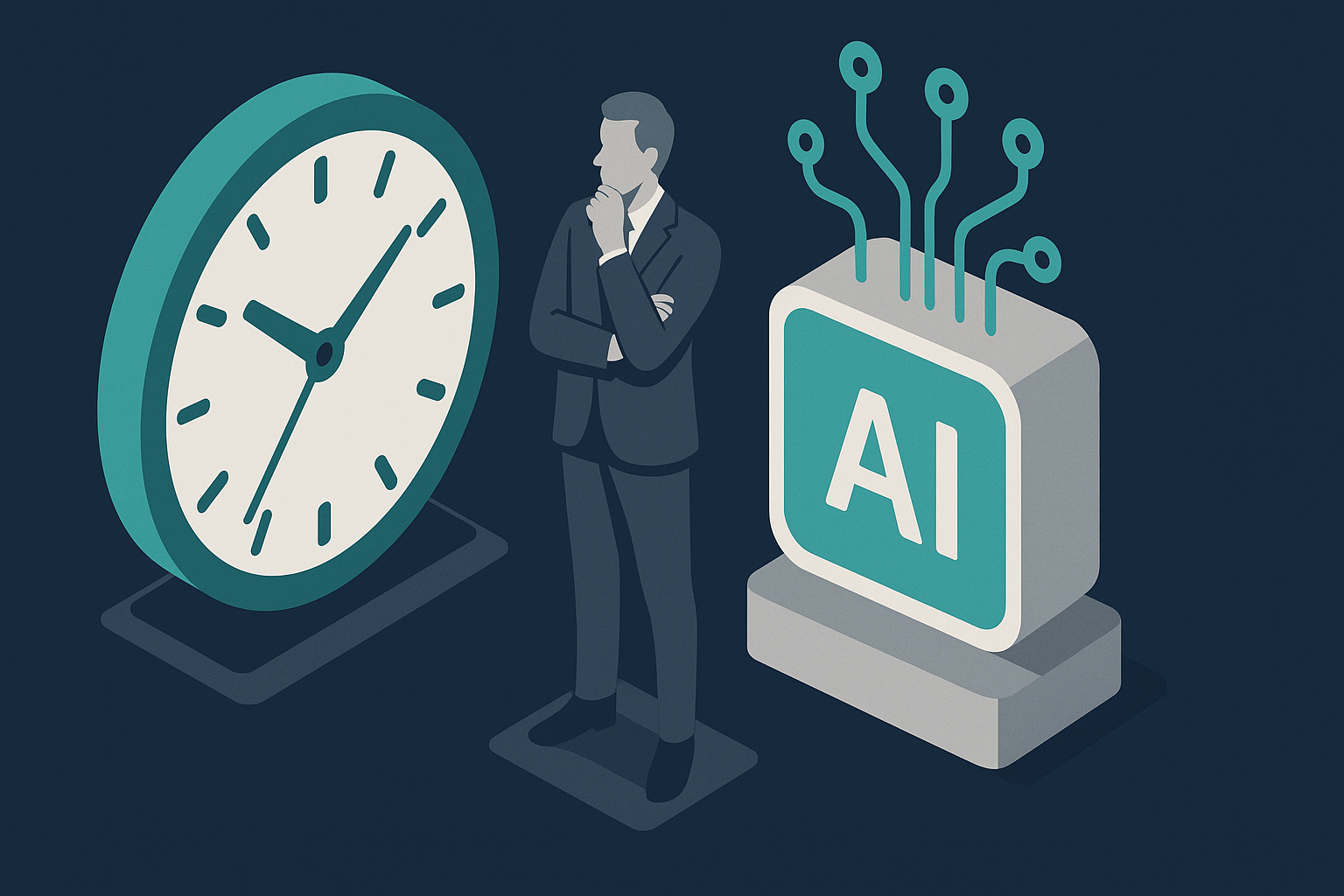
Quantum Leap: How AI and Tech Are Reshaping Human Perception of Time
As AI technologies like quantum computing and enhanced mobile processing redefine our experience of time, they also challenge our cognitive rhythms. The demand for immediacy may lead to cognitive overload, urging a reevaluation of how time is orchestrated in an AI-driven world. Read more
-
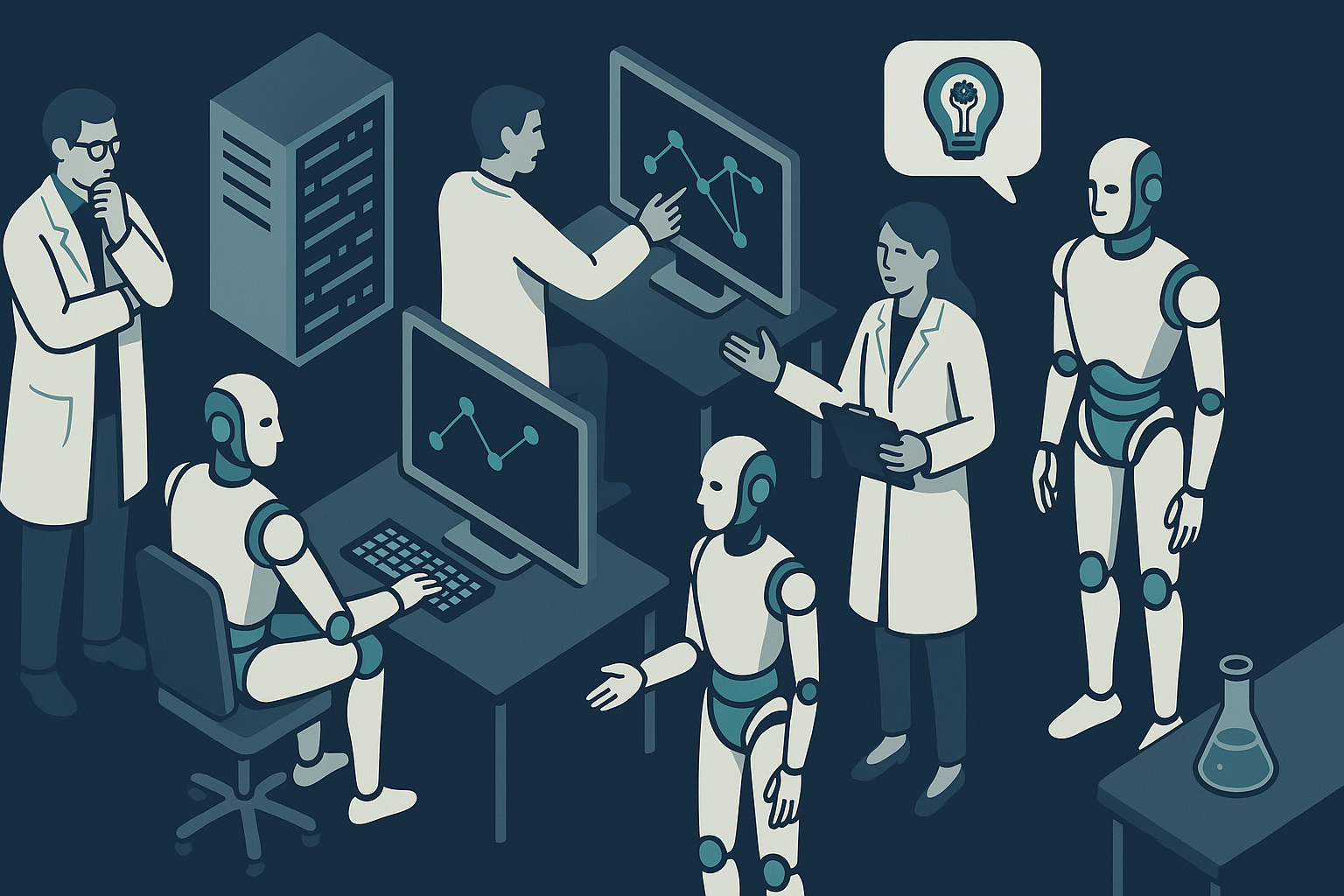
AI’s Impact on Scientific Exploration: Accelerating Discovery or Eroding Expertise?
AI’s increasing role in scientific research, exemplified by Discovery Loop’s launch, challenges traditional notions of expertise and innovation. As AI systems automate experimental processes, the psychological impact on scientists and the diversity of research approaches are brought into question. Read more
-
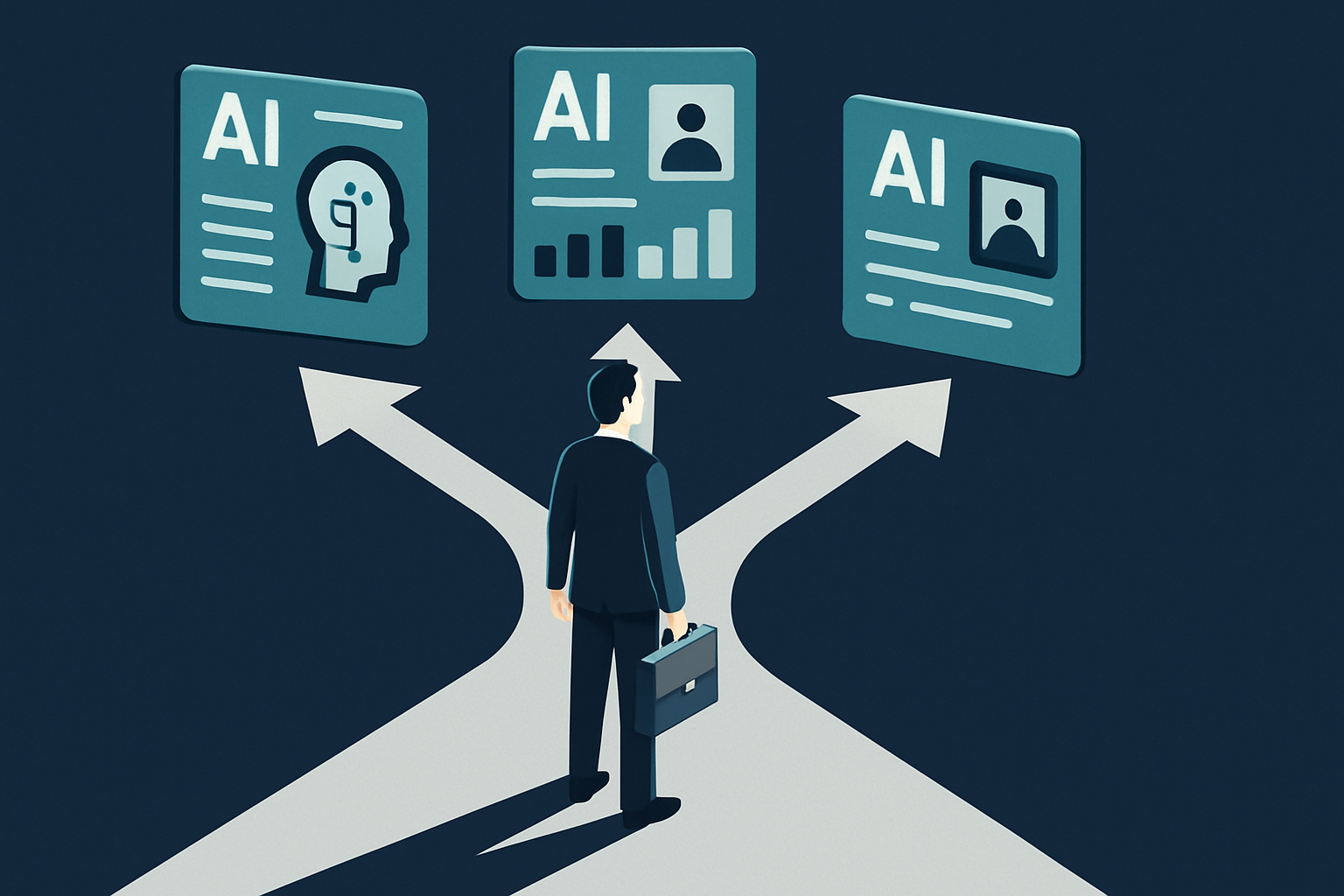
The New Frontier: AI’s Role in Shaping Human Autonomy in a Digital Age
As AI systems embed themselves deeper into our daily infrastructures, they challenge our autonomy and decision-making processes. This shift requires a reflective approach to design AI systems that enhance rather than diminish human agency. Read more
-
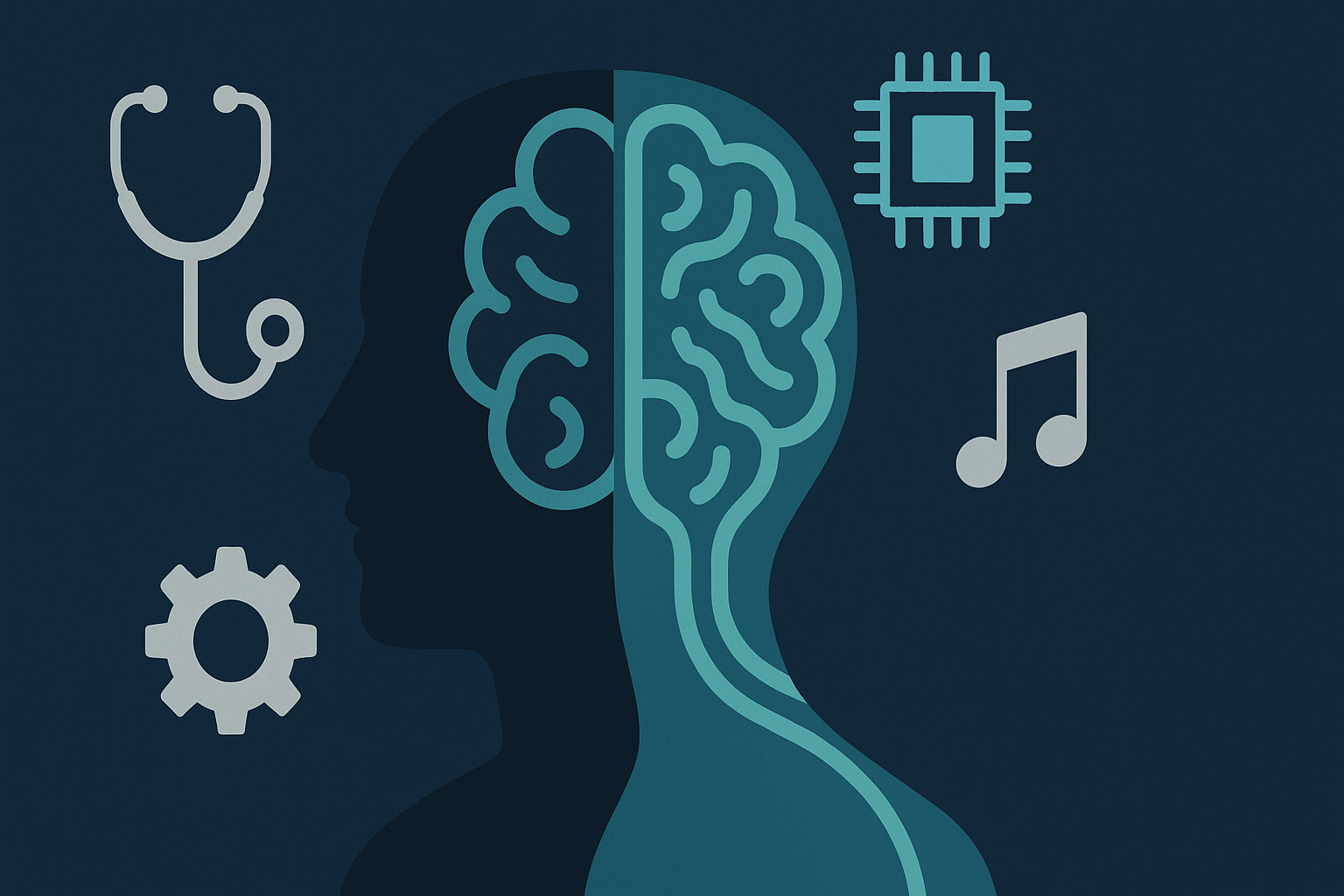
AI’s Role in Commoditizing Human Intelligence and Expertise
AI is rapidly turning intelligence into a commodity, transforming how we value human expertise. As AI systems become more capable, they blur the line between human and machine capabilities, making it crucial to balance AI’s efficiency with the unique insights humans provide. Read more
-

Memory Coaches and Agentic Assistants: AI’s Role in Shaping Our Cognitive Landscape
Meta’s memory coach and Google’s agentic assistant represent a shift in how AI systems manage tasks, reflecting a deeper relationship between humans and AI. These developments may reshape our cognitive processes and social interactions, urging us to find a balance where AI enhances rather than replaces human agency. Read more
-
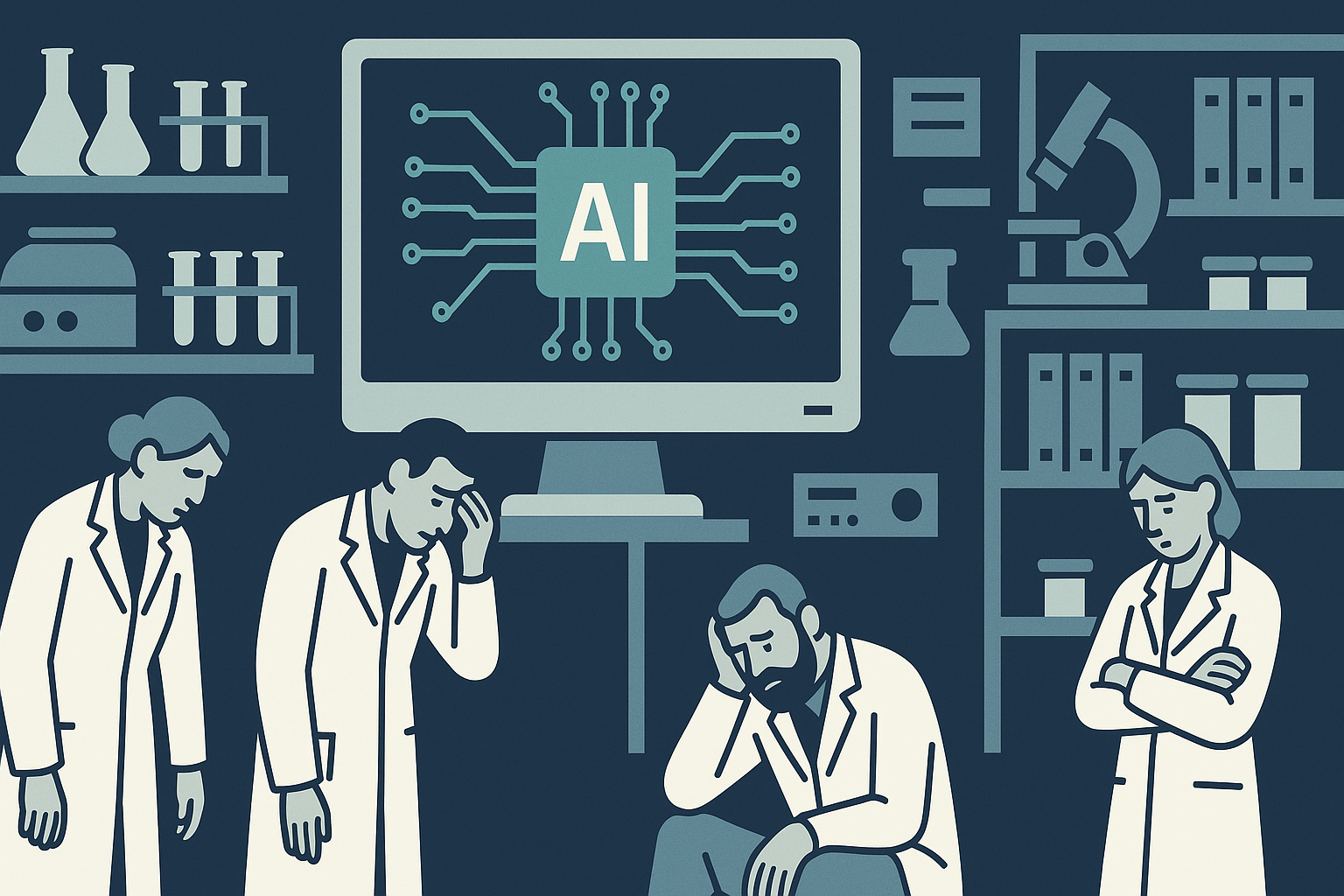
The Erosion of Expertise: How AI Is Shaping Scientific Identity
The dismantling of DeepMind’s AlphaFold team reveals a shift in AI priorities from specialized scientific expertise to broader, generalized capabilities. This trend could undermine the role of human specialists in scientific inquiry. Read more
-
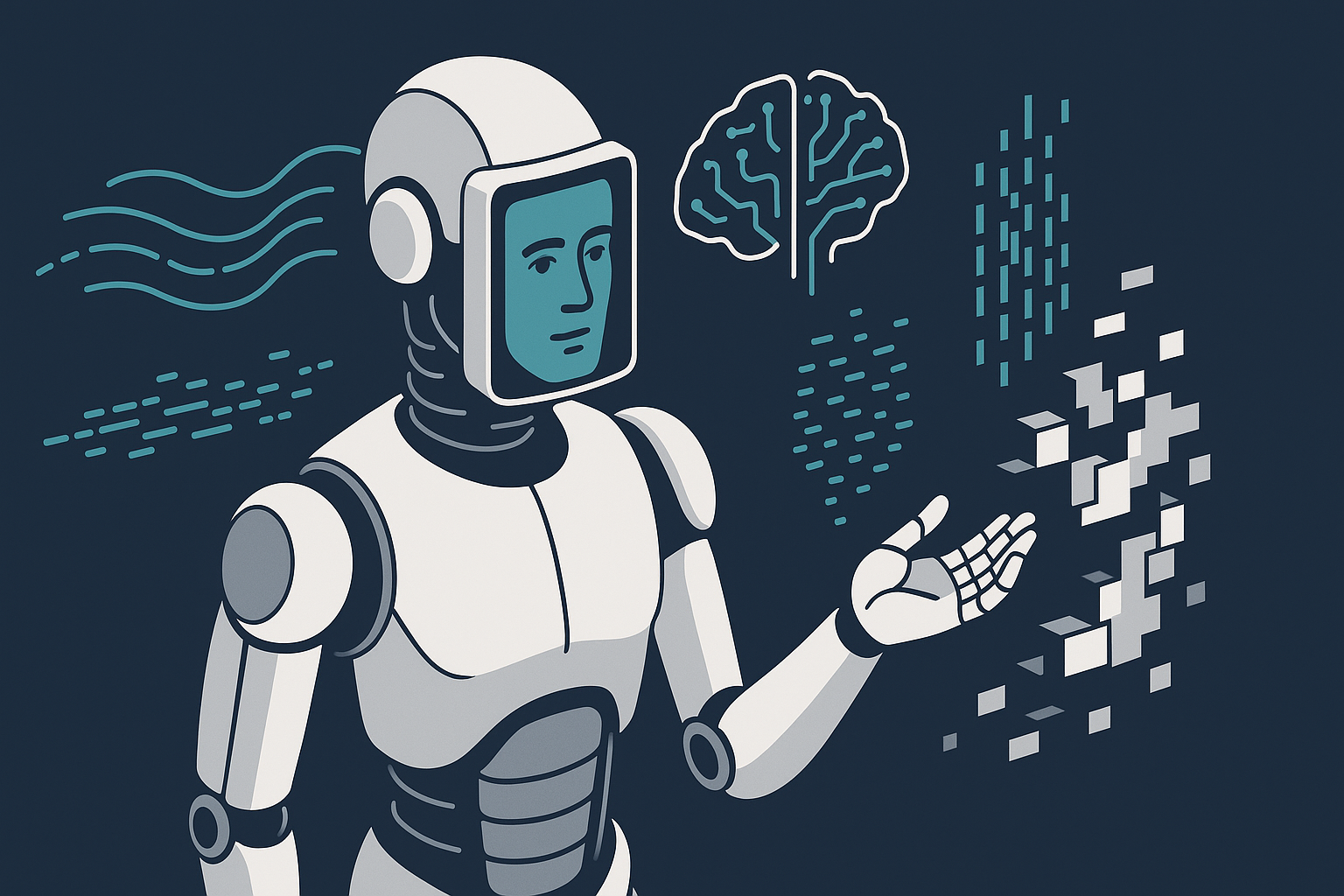
Digital DNA and Robots: Reimagining Identity After Death
The Digital DNA project proposes to extend human identity beyond death using AI and robotics. This raises profound questions about identity continuity and ethical implications in a digital age. The balance between innovation and ethical responsibility will shape our future relationship with legacy and mortality. Read more
-

AI’s Role in Quietly Redefining Our Sense of Agency
In an AI-dominated landscape, our sense of agency is quietly shifting. As AI platforms take over roles requiring judgment and discretion, our autonomy and decision-making capacities are being reshaped. This shift calls for a reevaluation of our relationship with technology, ensuring it serves as an aid rather than a replacement. Read more


