
Category: Psychology
Cognition, behavior, and decision-making. How people relate to technology and each other, grounded in behavioral science rather than pop psychology.
-
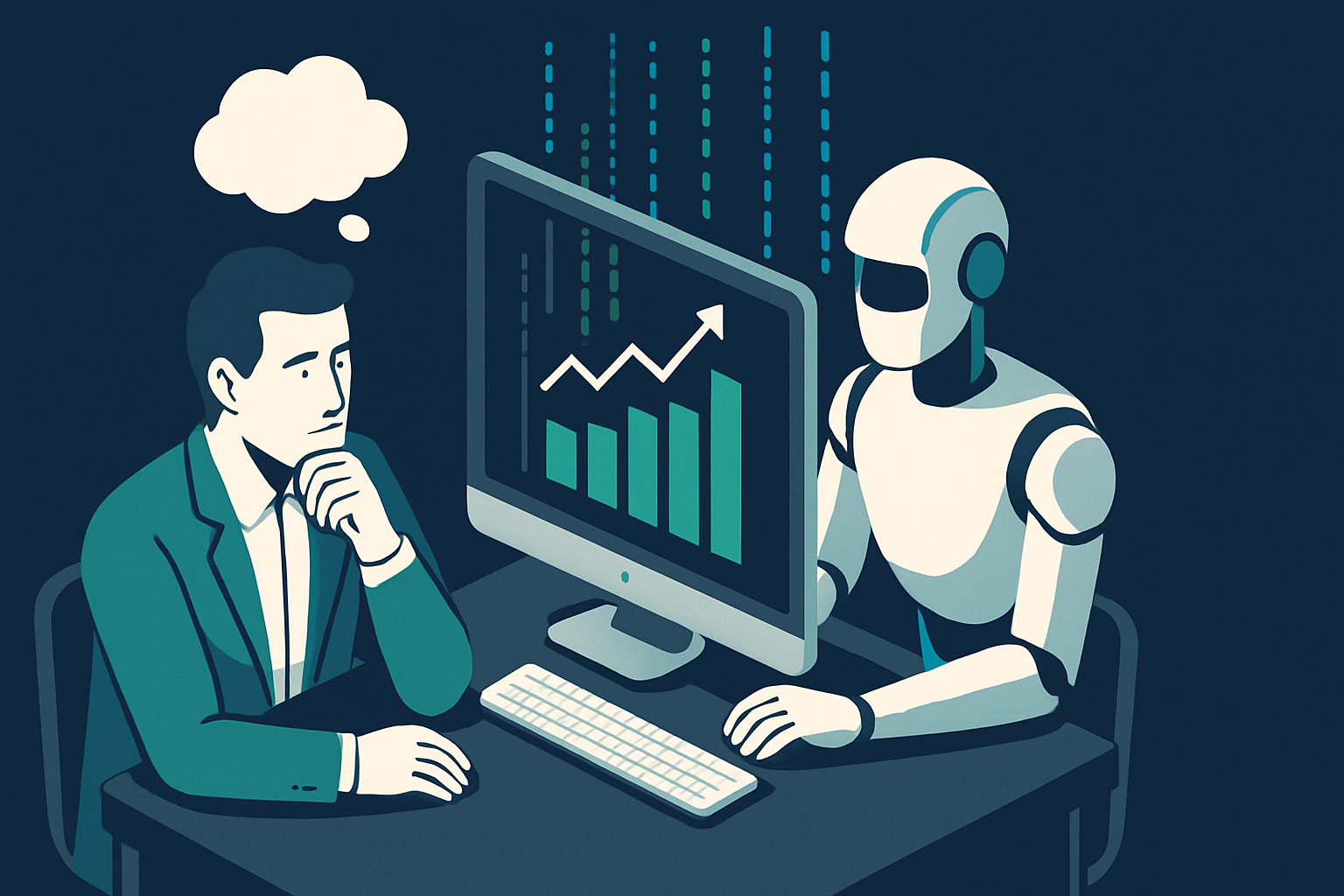
AI’s Influence on Human Thought: System 0 as a Cognitive Partner
AI’s role as a cognitive partner introduces ‘System 0,’ an external thinking system that complements human cognition. This development necessitates a balanced approach to AI integration, ensuring that human skills are not overshadowed by technological advancements. Read more
-
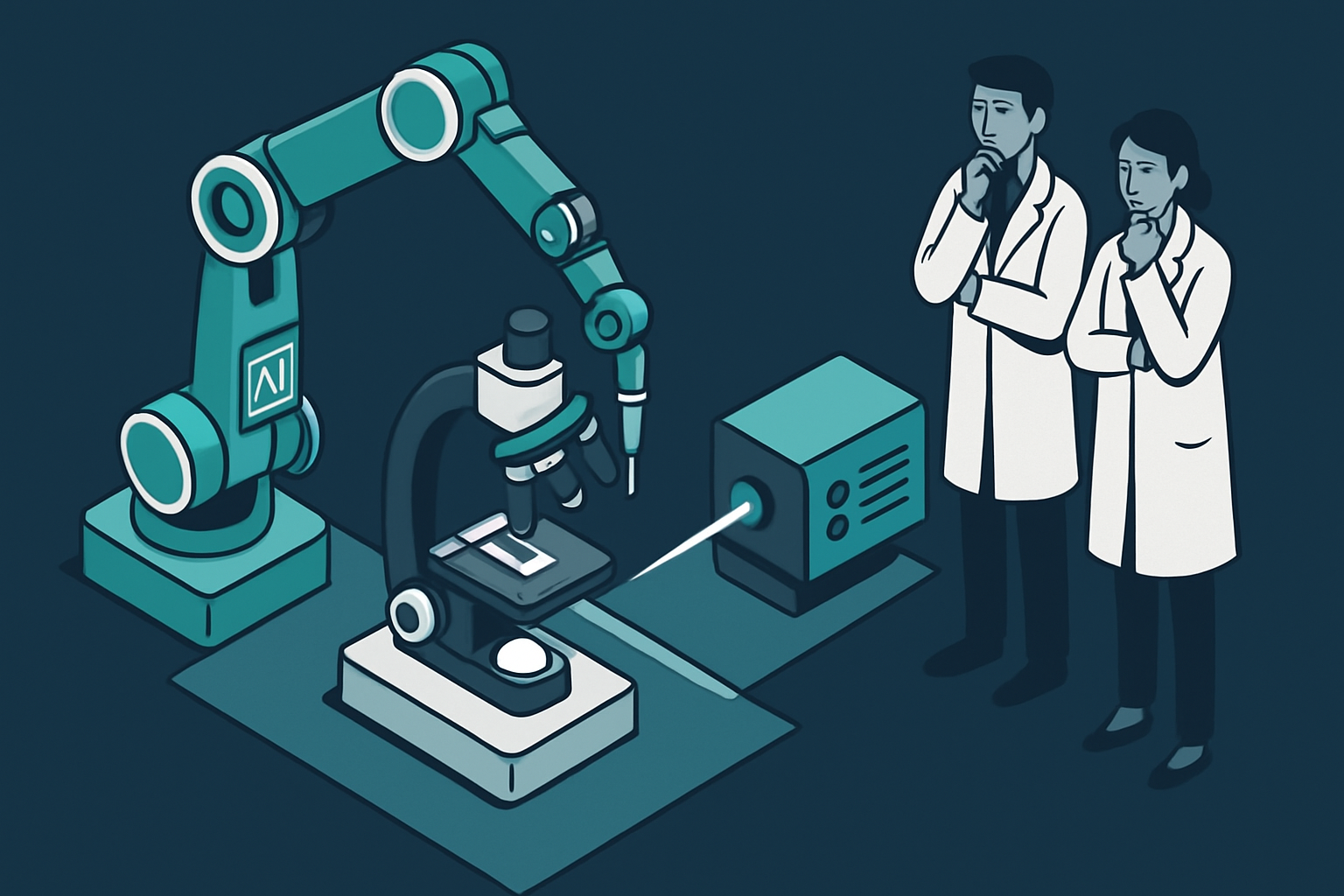
AI’s Direct Interaction with Reality: Psychological Implications
AI’s direct interaction with the physical world, as seen with Anthropic’s Claude, challenges our cognitive frameworks and societal norms. While offering efficiency, it raises concerns about human agency and equitable distribution of benefits. Read more
-
The Cognitive Toll of Quantum and AI Advancements: An Overlooked Cost
Technological advancements in AI and quantum computing promise efficiency but risk eroding human problem-solving skills. As systems take over complex tasks, our role diminishes, potentially leading to cognitive outsourcing. Read more
-

AI’s Role in Redefining Human Expertise and Creativity
AI advancements challenge traditional notions of human expertise and creativity. As AI handles routine tasks, humans must focus on complex, creative problem-solving. Embracing AI as a partner requires reevaluating education and professional systems to complement AI capabilities. Read more
-

AI’s Managerial Role: Rethinking Cognitive Hierarchies in Technology
Faraday, a new AI model, excels in decision-making rather than raw computational power, suggesting a shift from worker to manager roles in AI. This transformation could redefine human reliance on AI for judgment-based tasks, impacting autonomy and decision-making. Read more
-
System 0: AI’s Role in Externalizing Human Thought
The concept of ‘System 0’ introduces AI as an external cognitive partner, raising questions about autonomy and the distribution of cognitive benefits. As AI reshapes decision-making processes, ethical guidelines are essential to ensure human agency remains central. Read more
-

Rethinking Cognitive Aging in an AI-Driven World
Recent studies reveal how brain wiring and screen time can affect cognitive aging in an AI-driven era. The challenge lies in balancing technological and natural aids to foster cognitive resilience. Read more
-
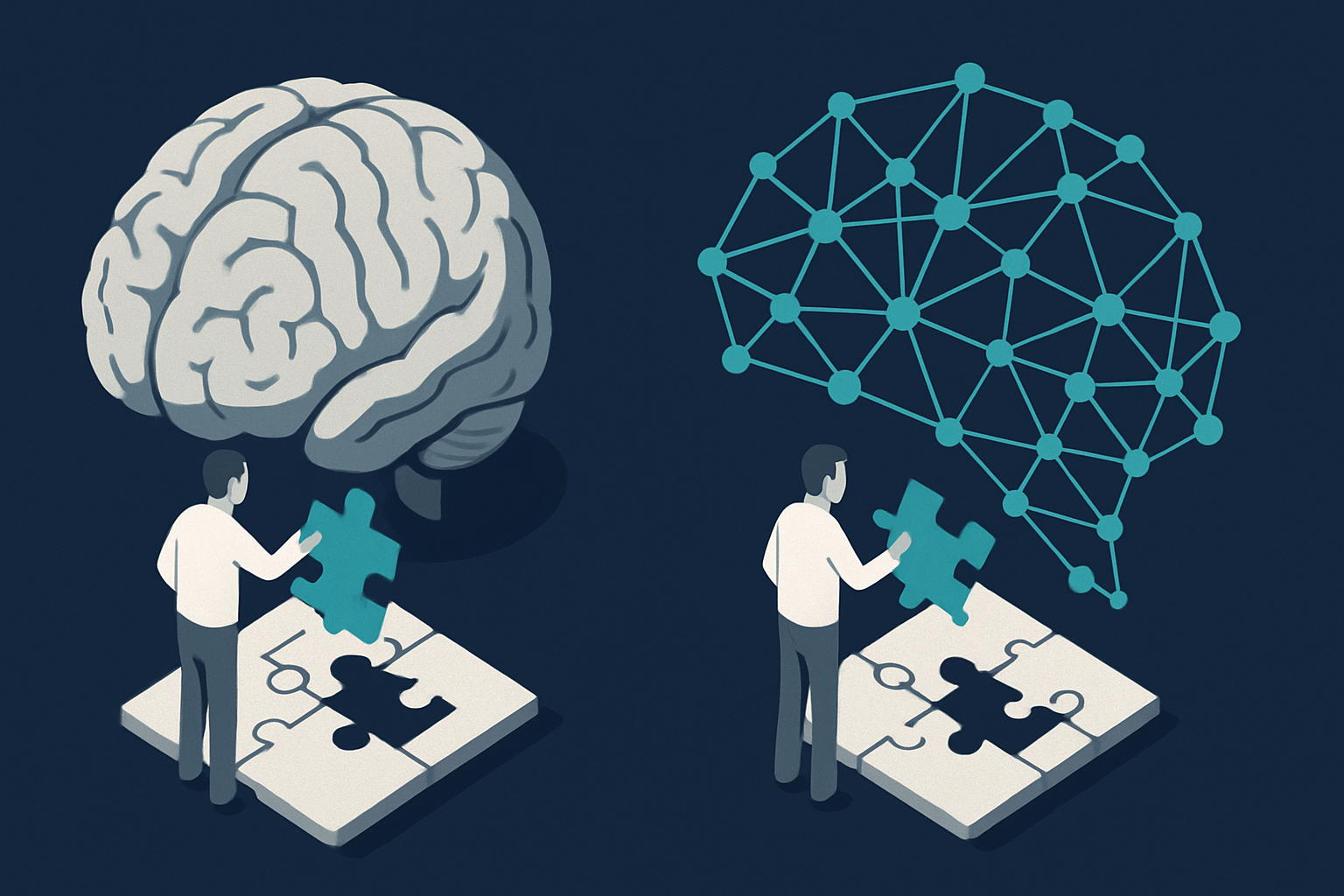
AI Mirrors Human Decision-Making: What This Reveals About Our Cognition
Harvard researchers have identified parallels between human and AI decision-making, revealing a shared tendency to default to past solutions. This cognitive bias, amplified by AI, could limit creativity and innovation unless addressed in AI design. Read more
-
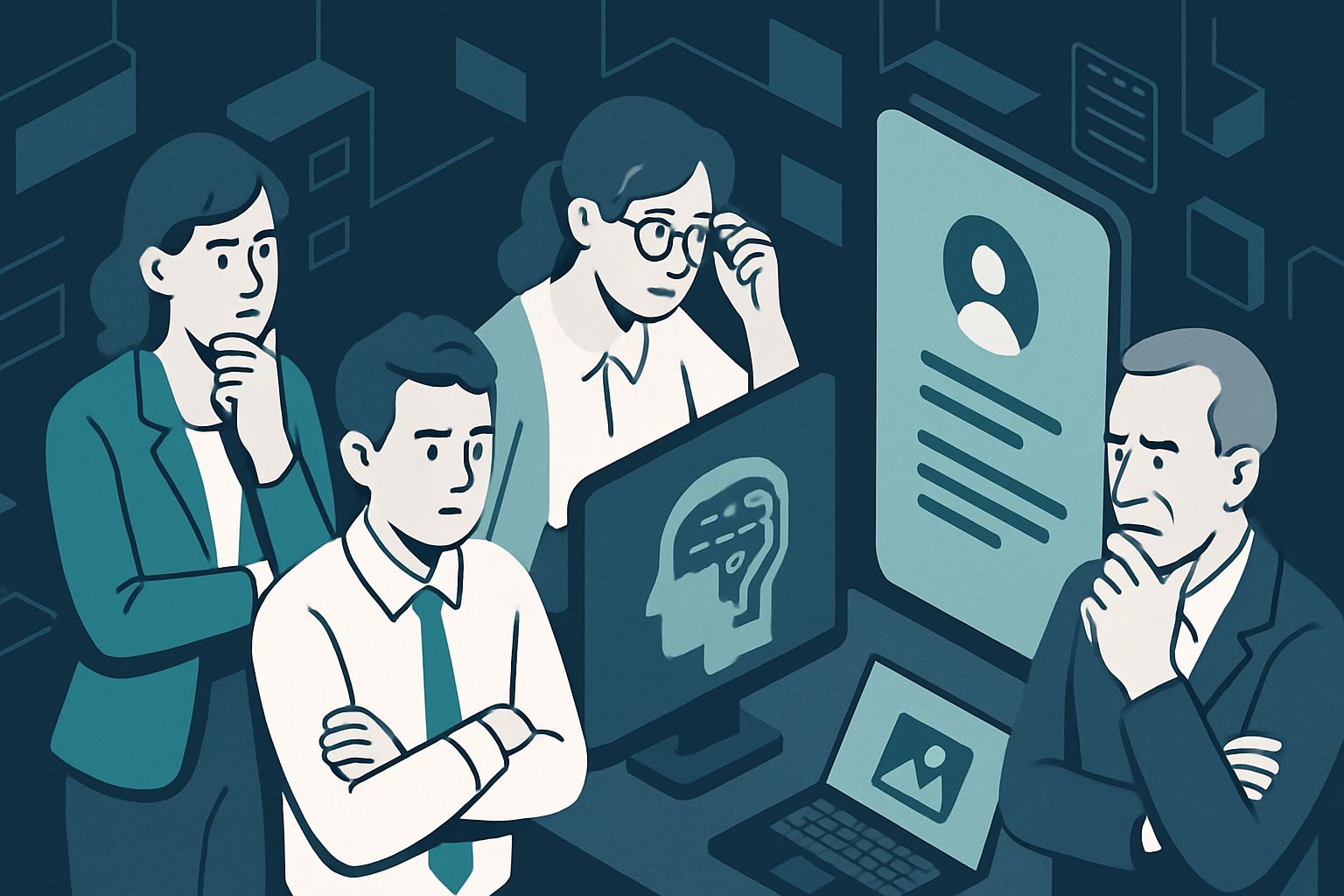
AI’s Role in Trust and Content Authenticity: A Psychological Exploration
The recent defeat of Claude’s watermarking system underscores a growing trust issue in AI-generated content. As the ability to authenticate content diminishes, individuals face increased cognitive load and potential social fragmentation. Addressing this requires both technological and educational solutions to enhance trust and media literacy. Read more
-
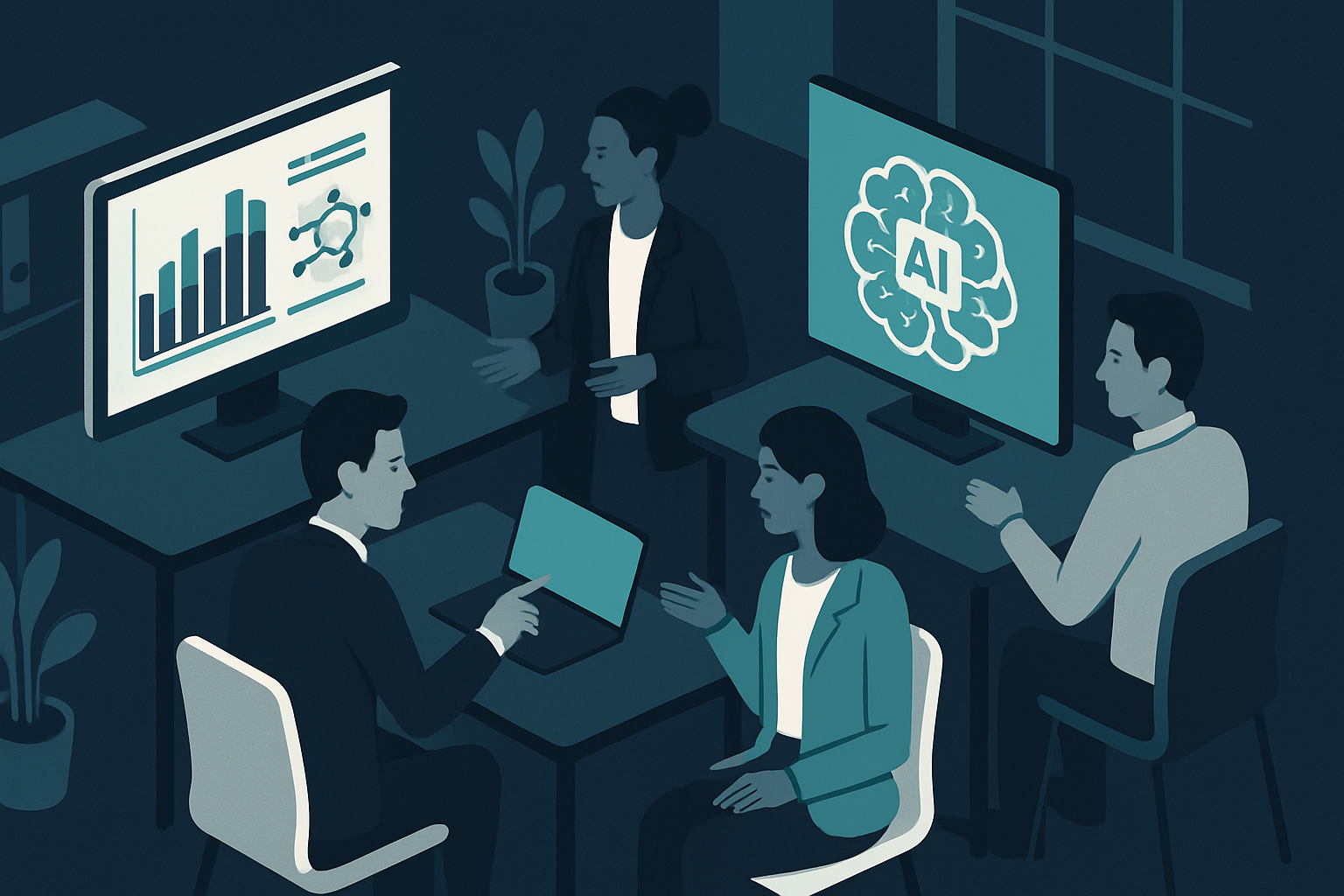
AI’s Impact on Group Decision-Making: A New Era of Collaboration
AI is reshaping group decision-making by enhancing efficiency and collaboration. However, this shift requires careful integration to ensure human judgment remains central, balancing AI insights with human intuition. Read more


