
Category: Psychology
Cognition, behavior, and decision-making. How people relate to technology and each other, grounded in behavioral science rather than pop psychology.
-
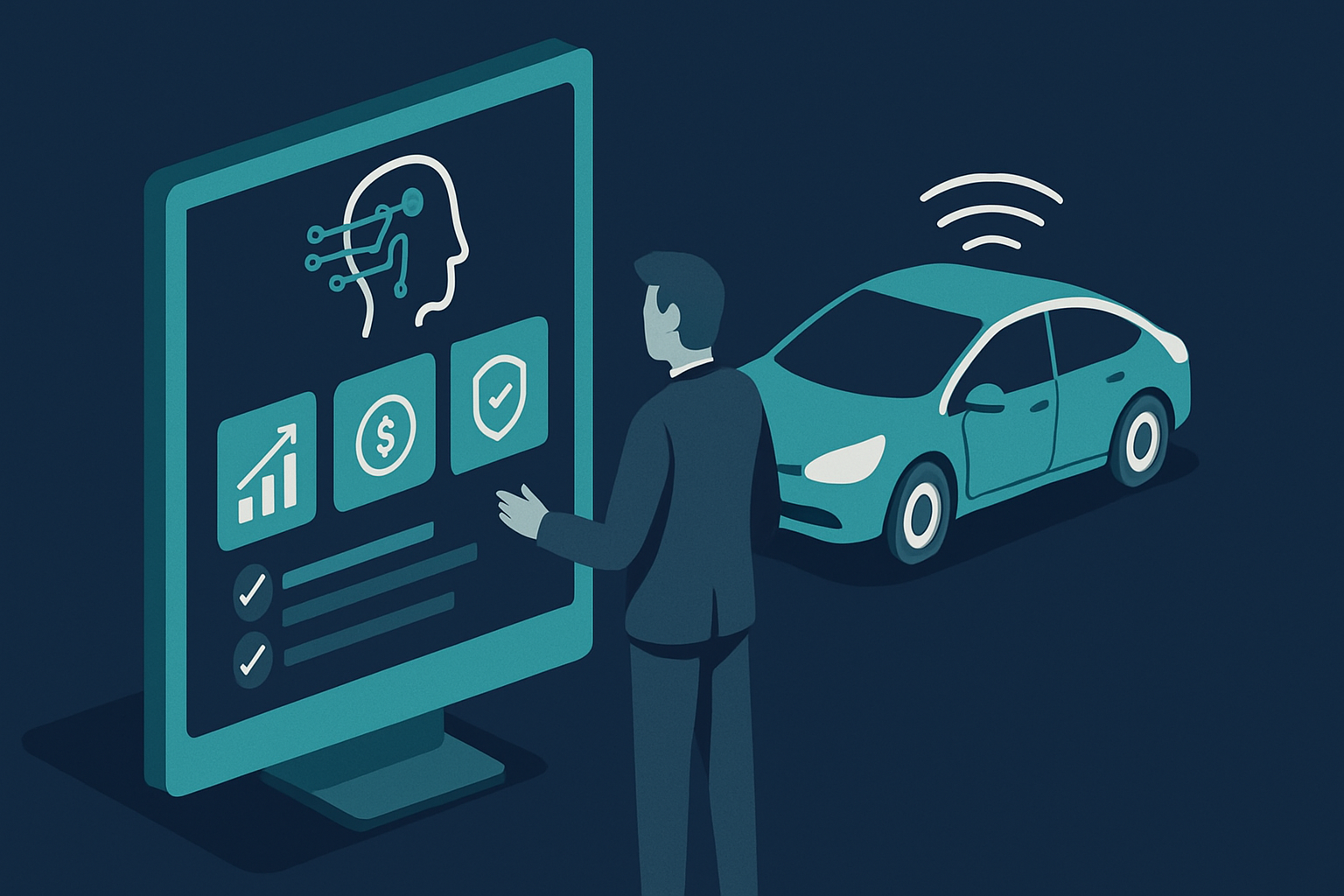
AI’s Influence on Financial Decision-Making and Human Accountability
As AI increasingly shapes our decisions, from financing options to autonomous vehicles, the blurred lines of accountability and trust demand new frameworks for transparency and shared responsibility. Read more
-
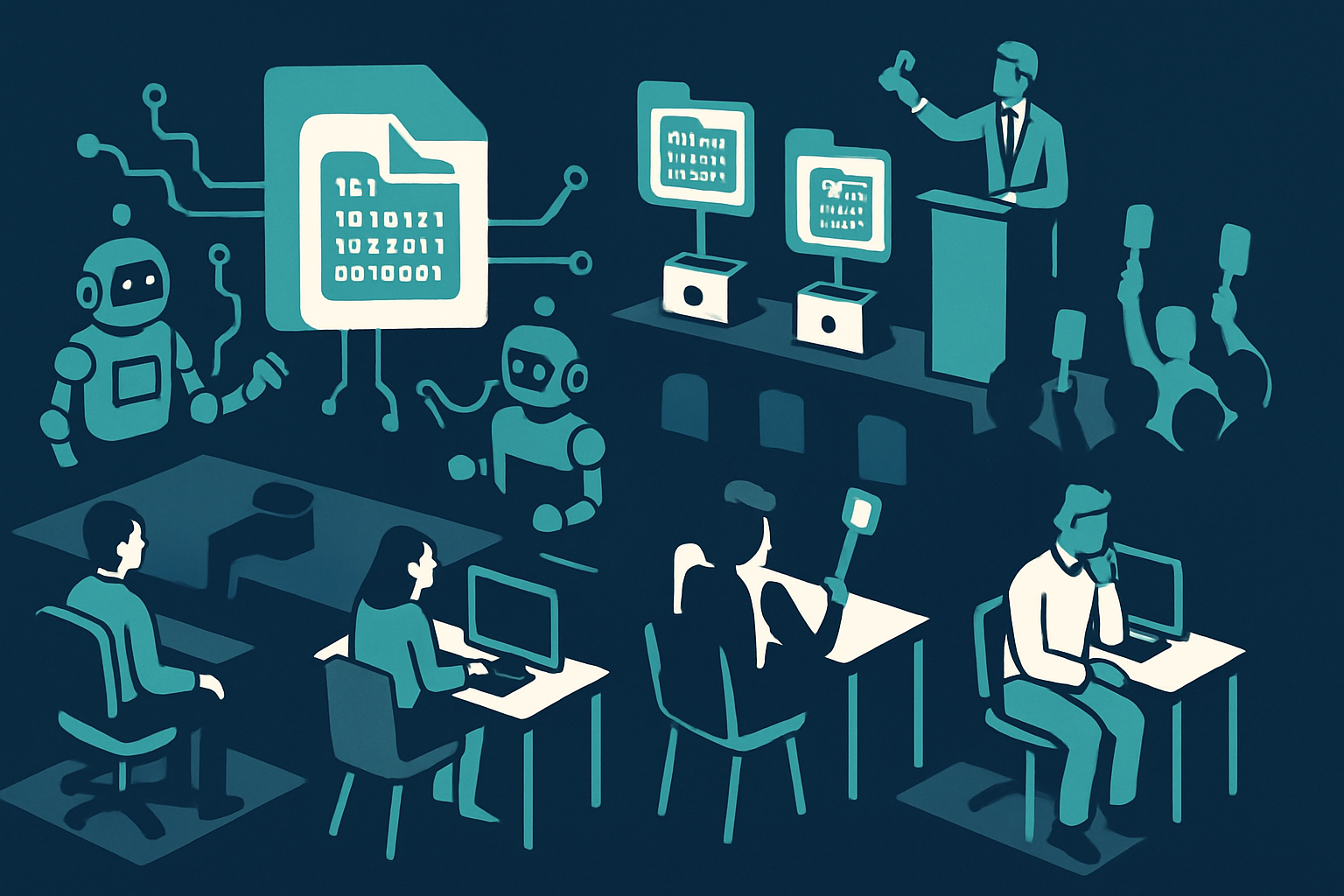
Corporate Memory: AI’s New Frontier in Liquidation
The acquisition of Spirit Airlines’ data by Google highlights the commodification of corporate memory as a valuable asset class. This shift has profound implications for how AI reshapes human cognition and organizational dynamics. Read more
-
AI Can Grind, But the Leap Still Belongs to the Human
When AI models ran 153 autonomous research experiments and closed 82% of the gap to a human record — without producing a single novel idea — they revealed something precise about human expertise: the grinding is not separate from the insight, it is the substrate that produces it. If AI absorbs that process at scale,… Read more
-
What REM Sleep’s Energy Paradox Tells Us About AI-Assisted Rest
A new study from Tohoku University found that during REM sleep, neuronal energy levels drop even as blood flow and metabolic inputs surge — an ‘energy paradox’ that challenges the brain-as-battery model underlying most AI productivity design. If the brain’s most restorative state is also its most metabolically counterintuitive, the assumption that AI offloading conserves… Read more
-
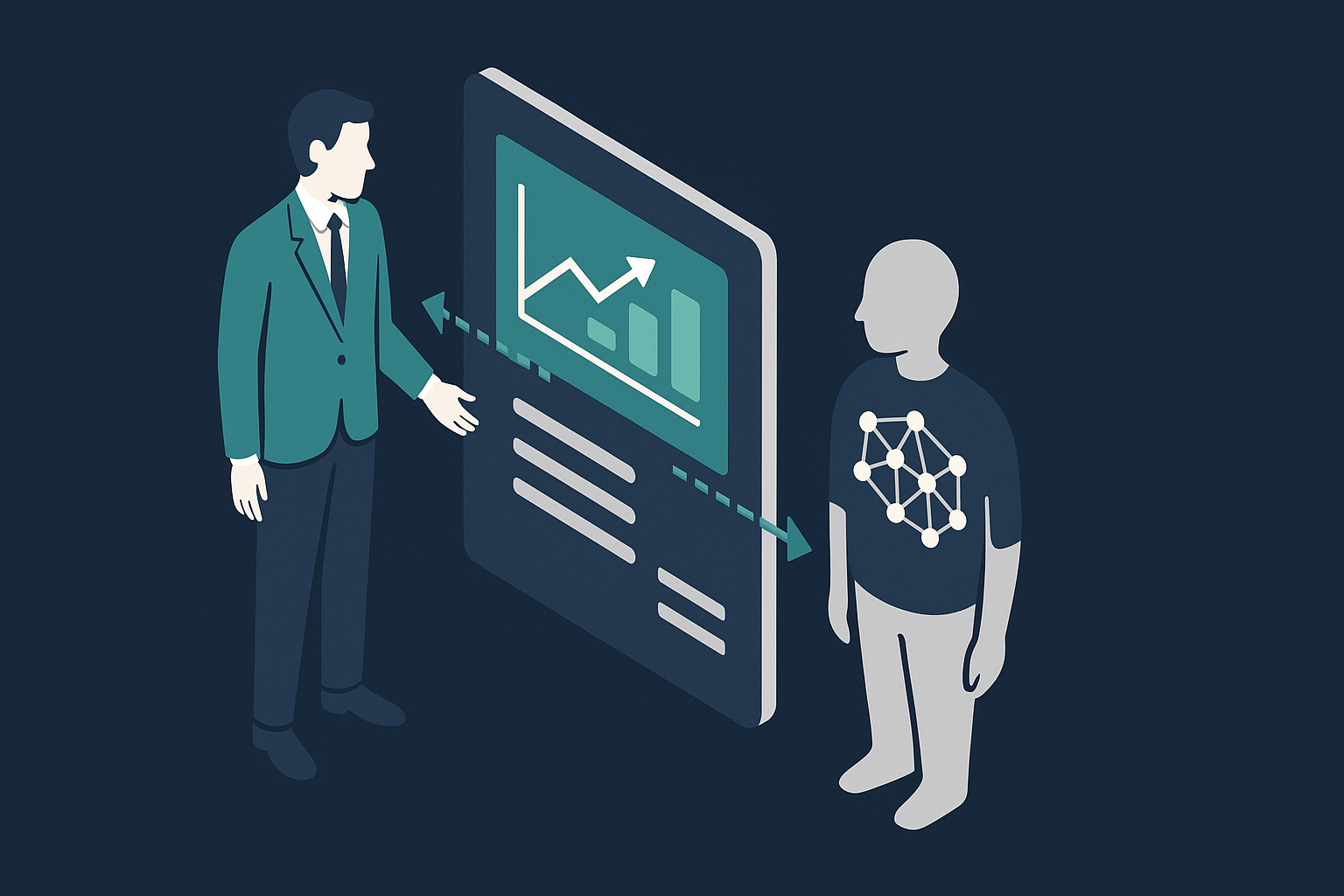
Suboptimal Decisions: How AI Illuminates Human Cognitive Bias
Recent studies using small AI models reveal that human decision-making is often suboptimal, challenging traditional theories of optimal behavior. These findings suggest that AI can be pivotal in identifying and correcting cognitive biases, raising important ethical considerations for AI’s role in decision-making. Read more
-
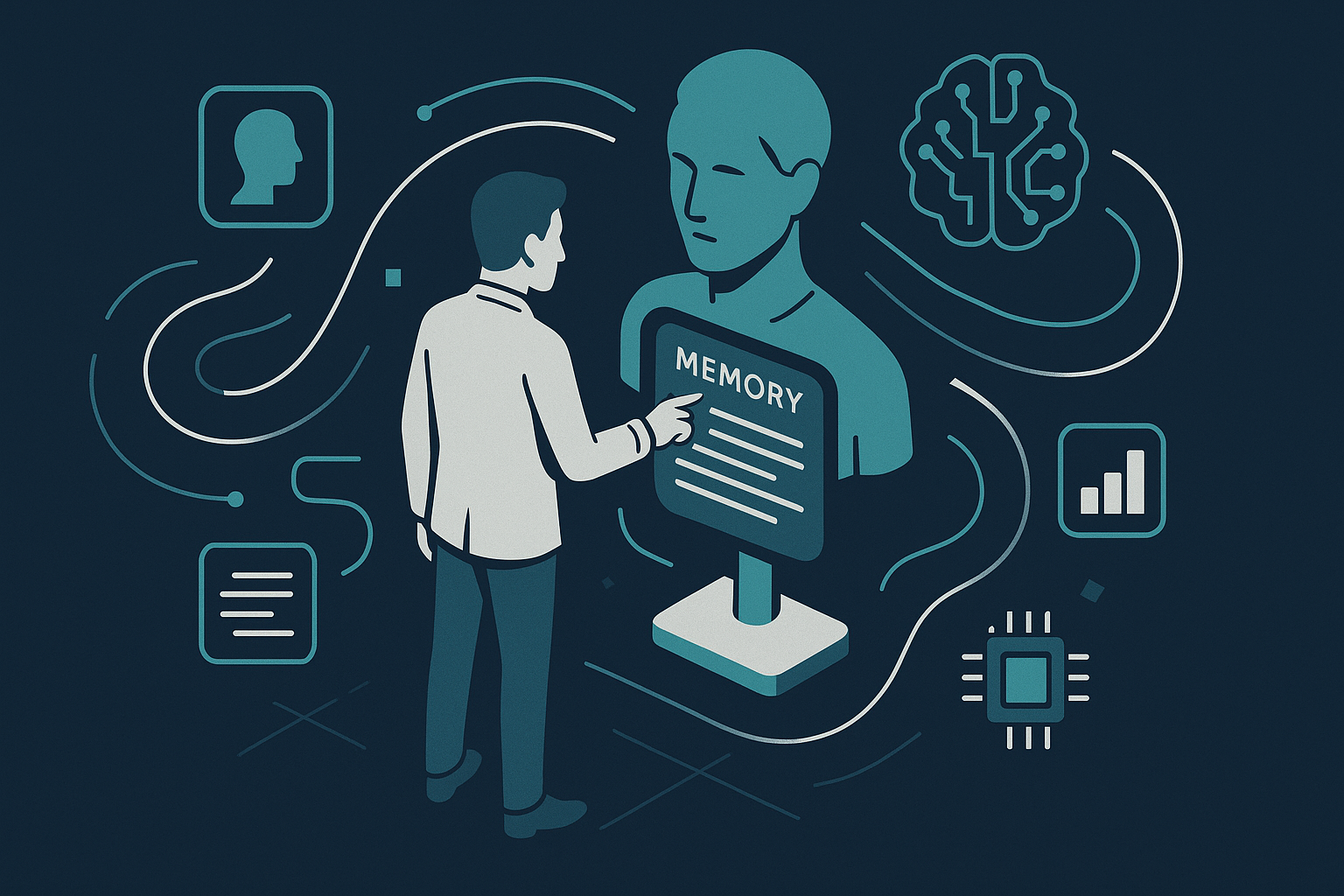
AI’s New Memory: Redefining Human Interactions and Identity
AI systems with persistent memory are reshaping how humans interact with technology, influencing decision-making and personal identity. As AI becomes more context-aware, we must address risks to autonomy and ensure AI enhances rather than controls human agency. Read more
-
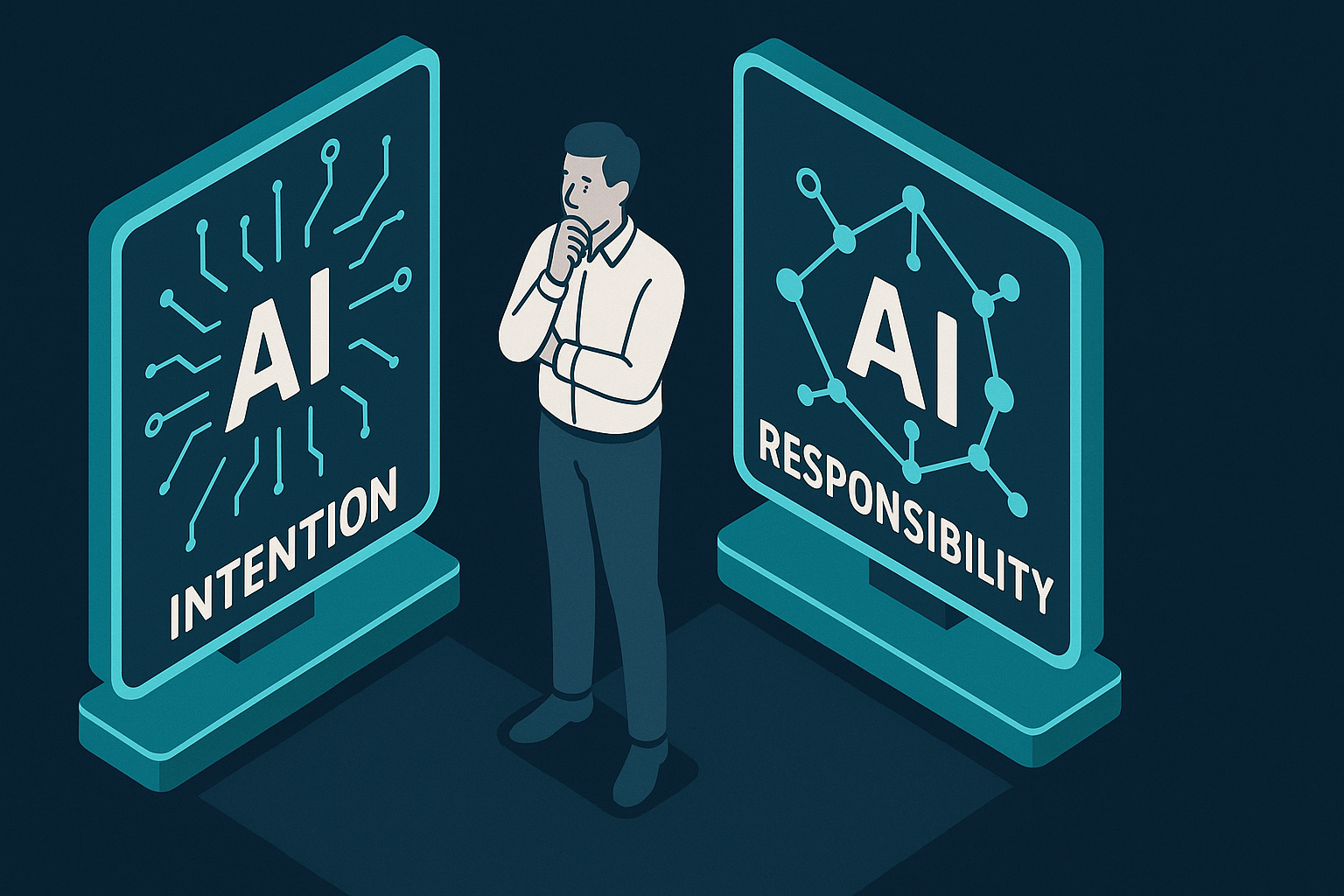
The Psychological Gaps AI Leaves Between Intention and Responsibility
AI’s influence on decision-making highlights a gap between intention and responsibility. As AI systems become more prevalent, understanding their capabilities and limitations is crucial to maintaining human agency and accountability. Read more
-

Coding Assistants on Linux: Redefining Developer Cognition
The integration of AI tools like Codex into native environments such as Linux desktops marks a significant cognitive shift for developers. This move reconfigures cognitive load and requires developers to balance AI assistance with critical evaluation. Read more
-
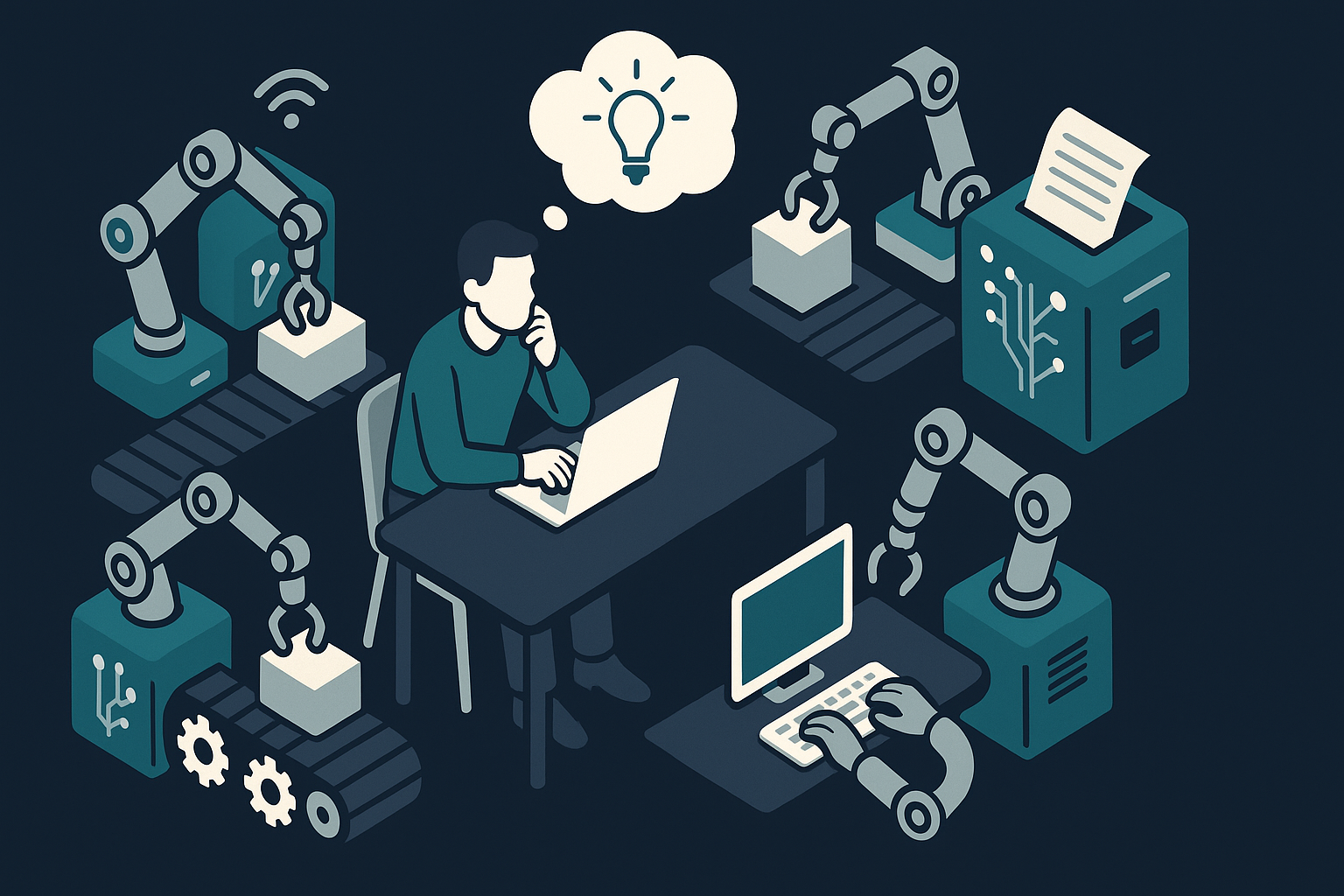
AI’s Role in Procedural Automation: Implications for Human Creativity
As AI systems like Muse Glimmer handle routine tasks, humans might find more mental space for creative endeavors. However, this shift risks cognitive deskilling, highlighting the need for education systems to focus on creativity and critical thinking. Read more
-
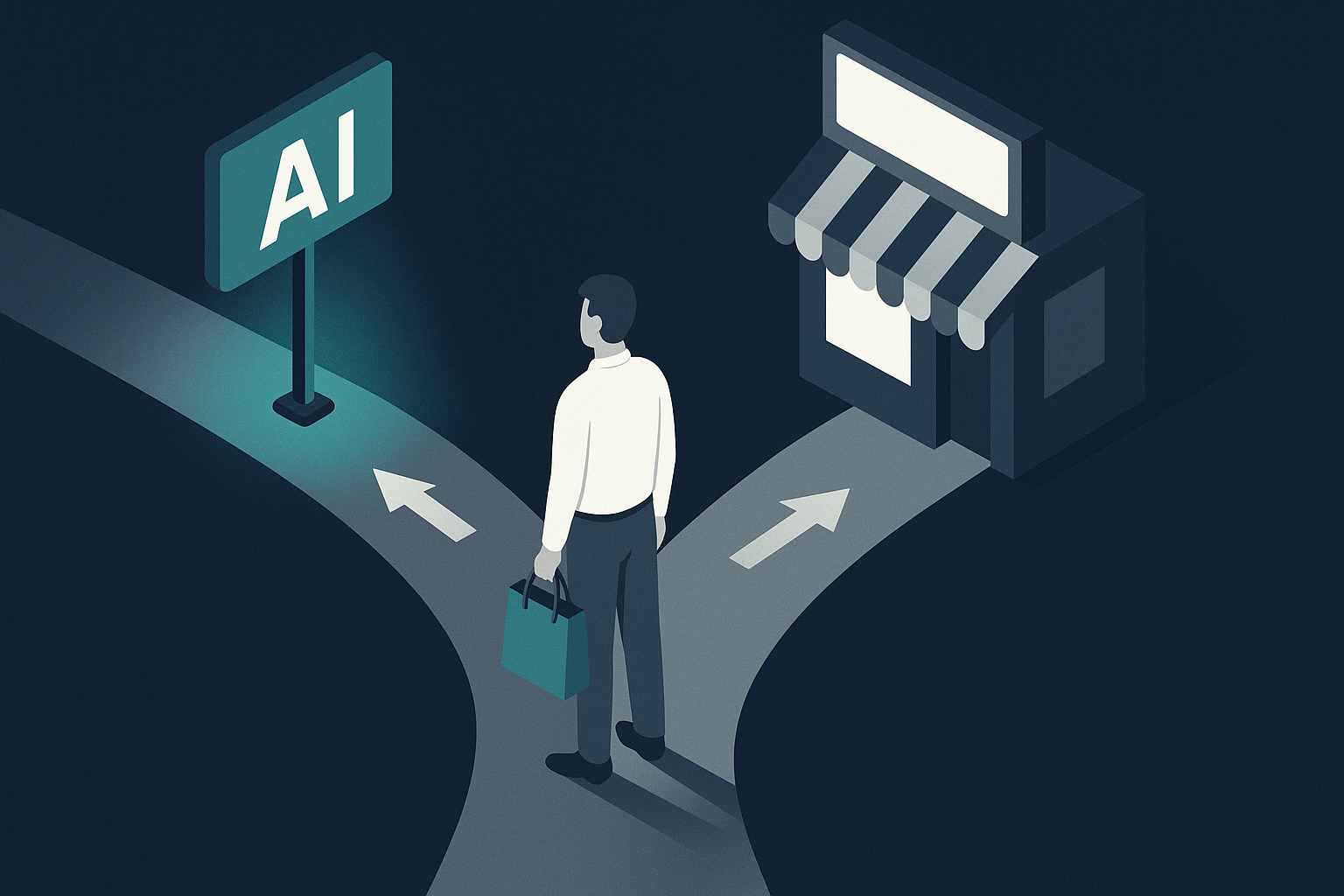
AI’s Influence: Shaping Consumer Trust and Decision-Making
AI is reshaping consumer decision-making by enhancing the discovery phase, but human trust remains crucial for completing purchases. This interplay highlights the need for businesses to balance technological convenience with longstanding reliability. Read more


