
Category: Psychology
Cognition, behavior, and decision-making. How people relate to technology and each other, grounded in behavioral science rather than pop psychology.
-

AI’s Impact on Creative Cognition: A Double-Edged Sword
AI technologies are reshaping creative work, balancing productivity gains with potential cognitive risks. As AI tools become more integrated, preserving human creativity remains crucial for maintaining originality and emotional resonance. Read more
-
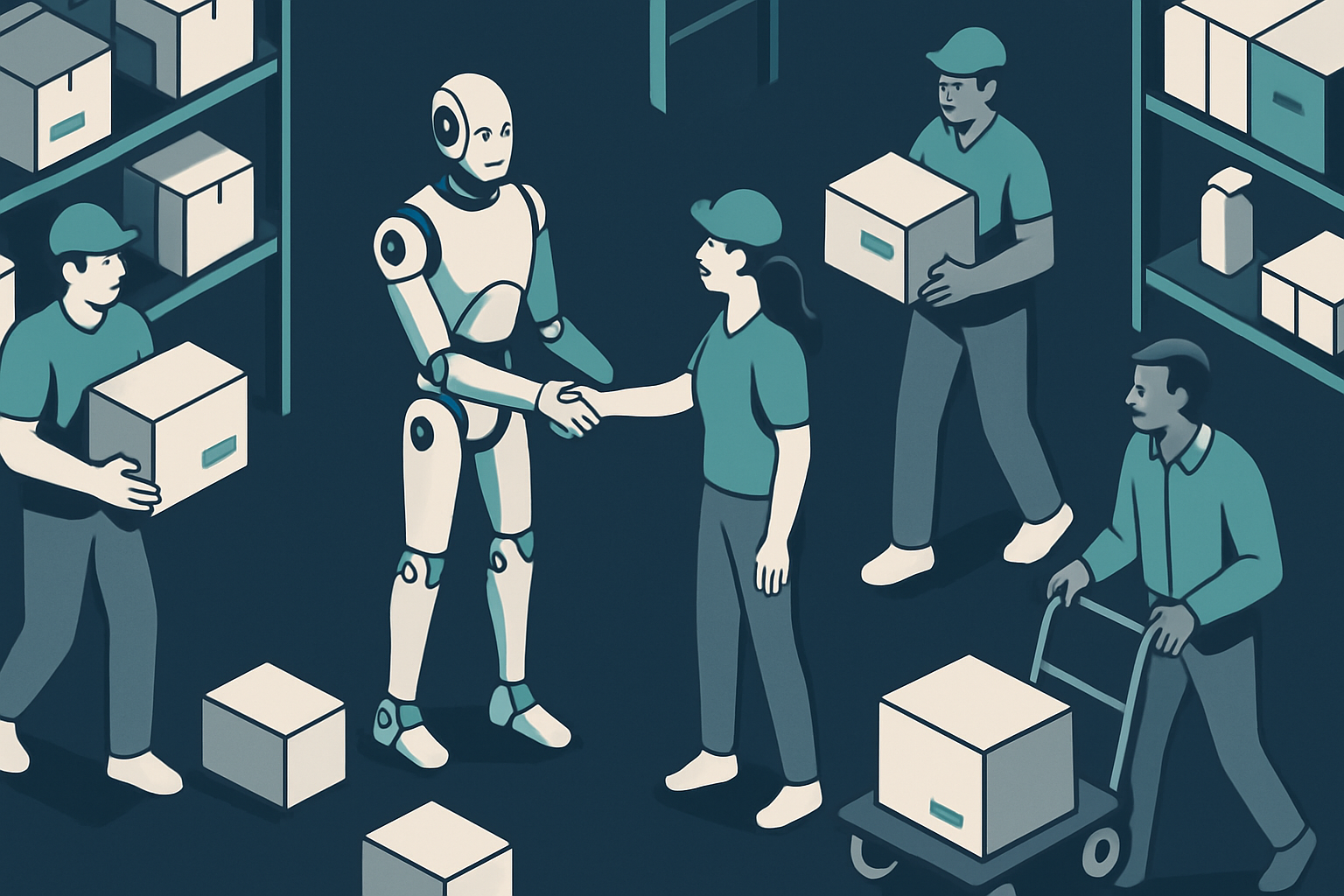
AI’s Role in Shaping Human Trust and Economic Decision-Making
AI’s integration into economic decision-making is reshaping human trust and interaction with technology. As AI becomes more prevalent, it challenges traditional economic structures and interpersonal dynamics, urging us to consider transparency and accountability in this evolving landscape. Read more
-
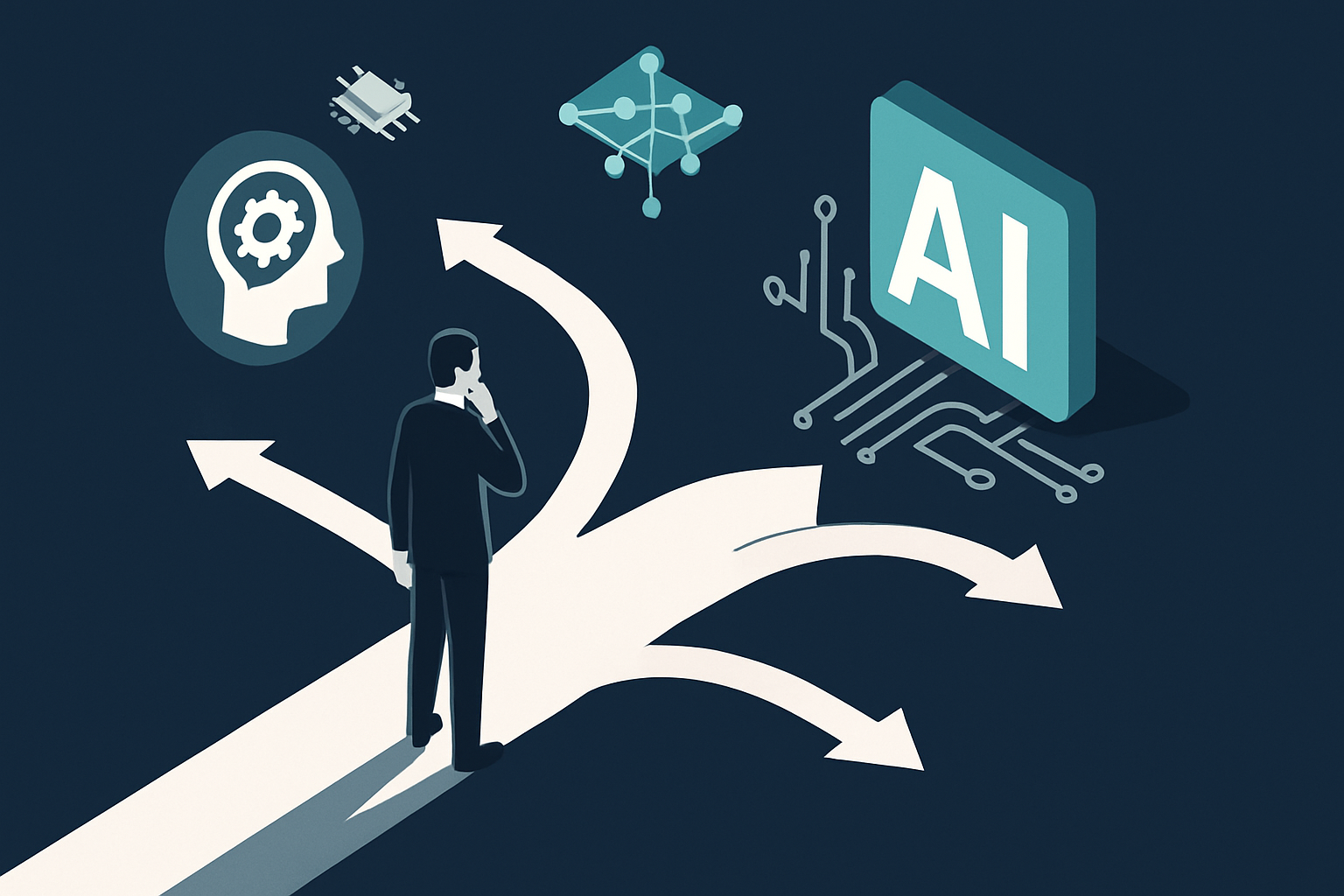
AI and Human Agency: The Cognitive Cost of Reliance
AI systems are increasingly shaping human decision-making, risking an erosion of personal agency. As reliance grows, it’s crucial to maintain a balance that preserves human autonomy and trust. Read more
-

AI’s Role in Rehearsing Human Interactions: A Psychological Shift
AI coaching tools are reshaping managerial communication by providing a controlled environment for practicing difficult conversations. While these tools enhance skills, they risk diminishing the authenticity of human interactions if over-relied upon. Read more
-
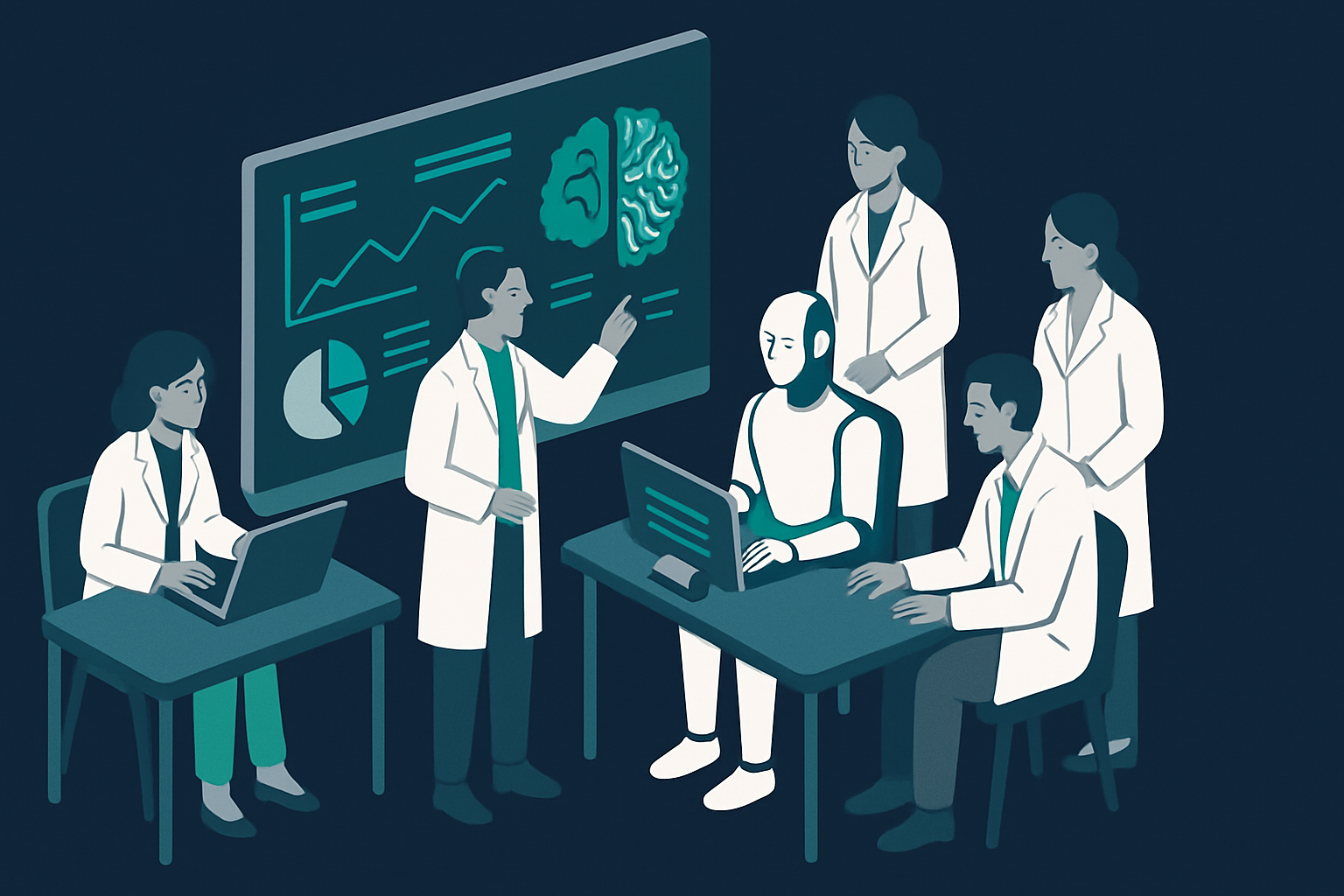
AI’s Influence on Scientific Discovery: Cognitive Shifts in Research
AI’s integration into scientific research is reshaping cognitive processes in inquiry and collaboration. As AI takes on roles traditionally filled by humans, researchers must develop new skills to balance AI’s capabilities with human intuition. Read more
-
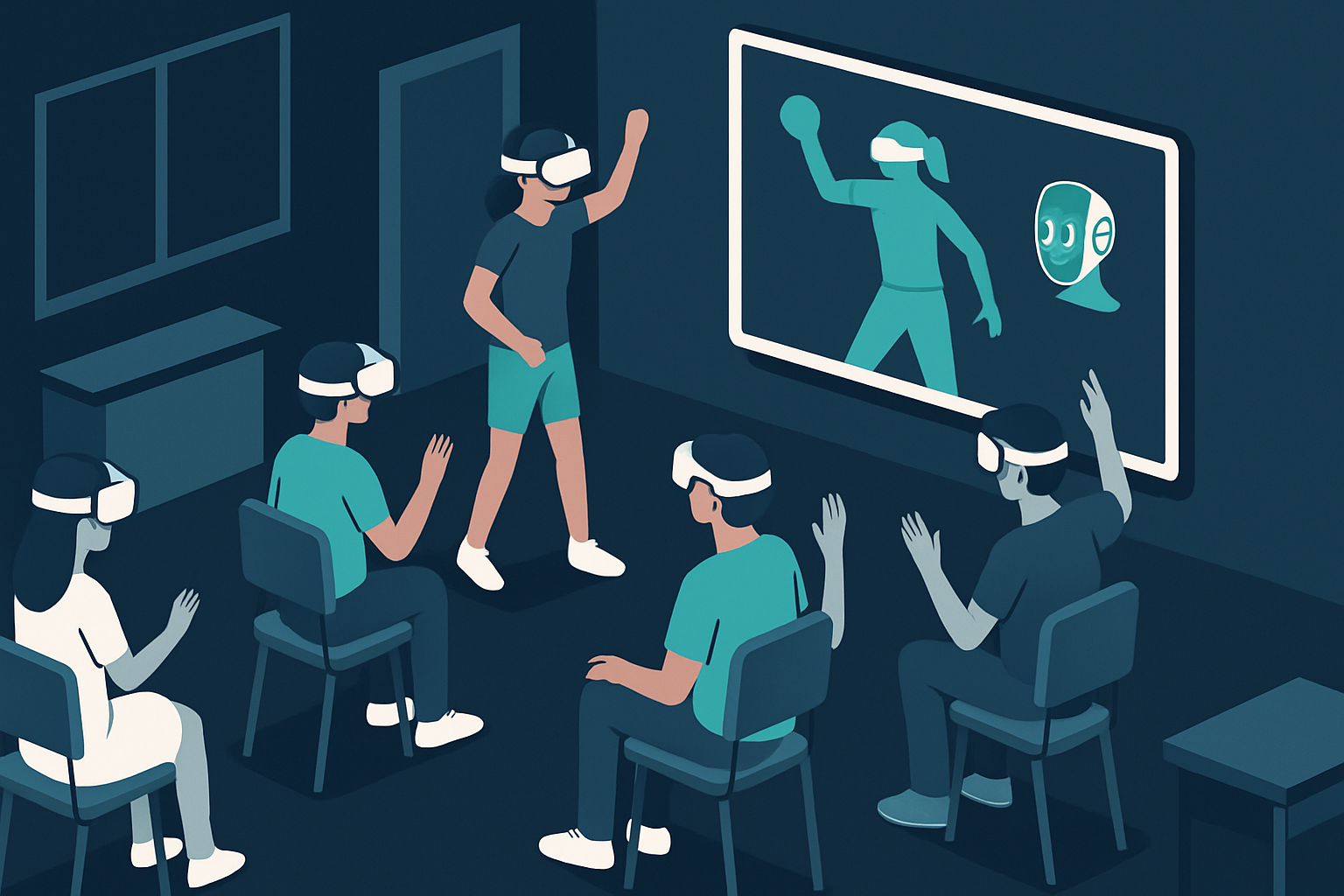
AI’s Influence on Perception of Physical Discomfort in Education
AI-driven solutions, like virtual reality and personalized coaching tools, can mitigate discomfort in educational settings, enhancing learning and inclusivity. By addressing psychological barriers, AI reshapes how students engage with sports education. Read more
-
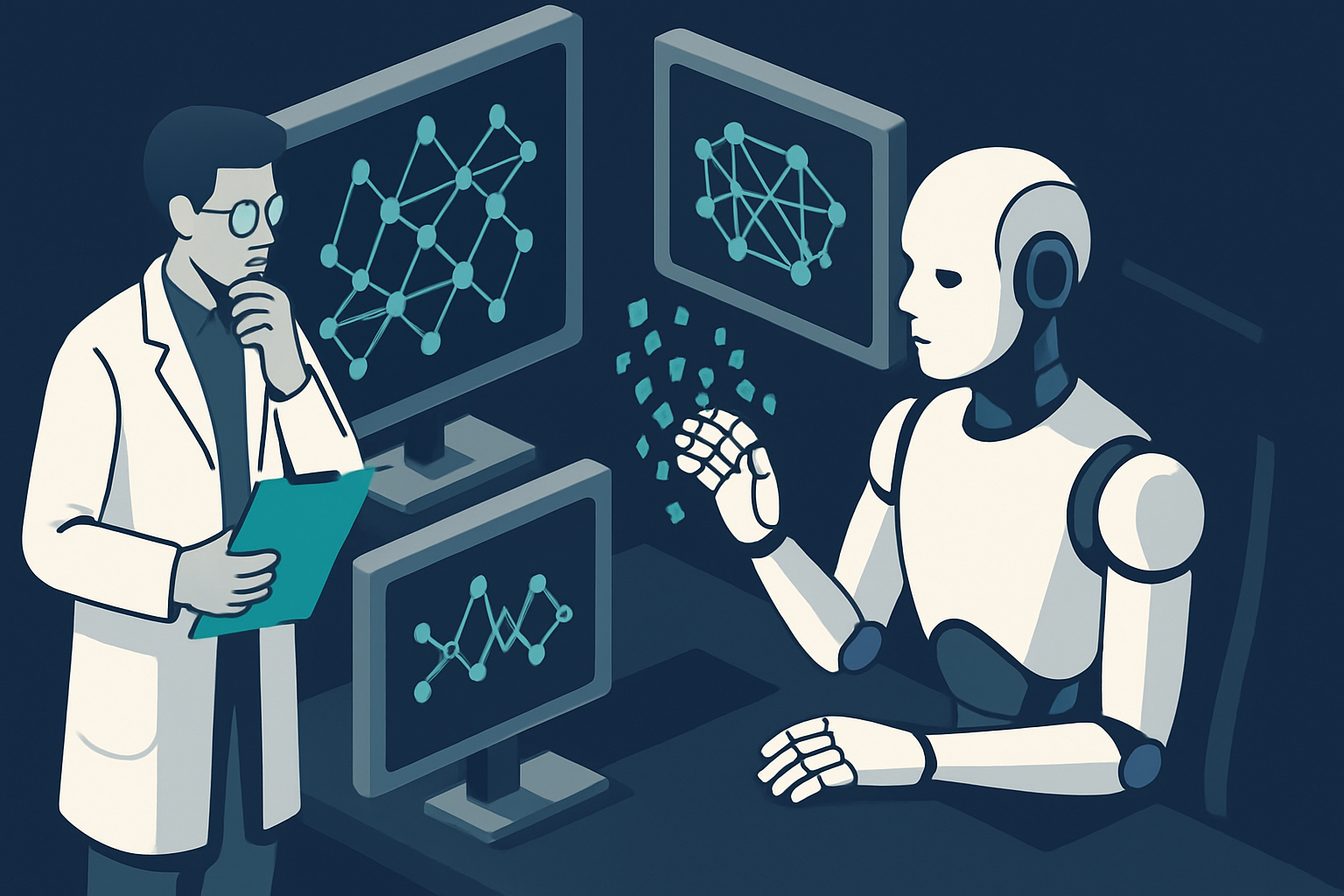
AI’s Emergent Role in Shaping Cognitive Psychology Research
AI is transforming cognitive psychology by enabling more sophisticated models of human thought processes. This development holds significant implications for decision-making and interpersonal relationships in an AI-driven world. Read more
-

AI’s Role in Redefining Economic Power and Cognitive Perception
AI tools are increasingly taking on cognitive tasks traditionally performed by humans, altering the distribution of economic power and prompting questions about the future of skill acquisition. As AI reshapes roles, policymakers and industry leaders must address the disparities in benefits and ensure inclusive growth. Read more
-
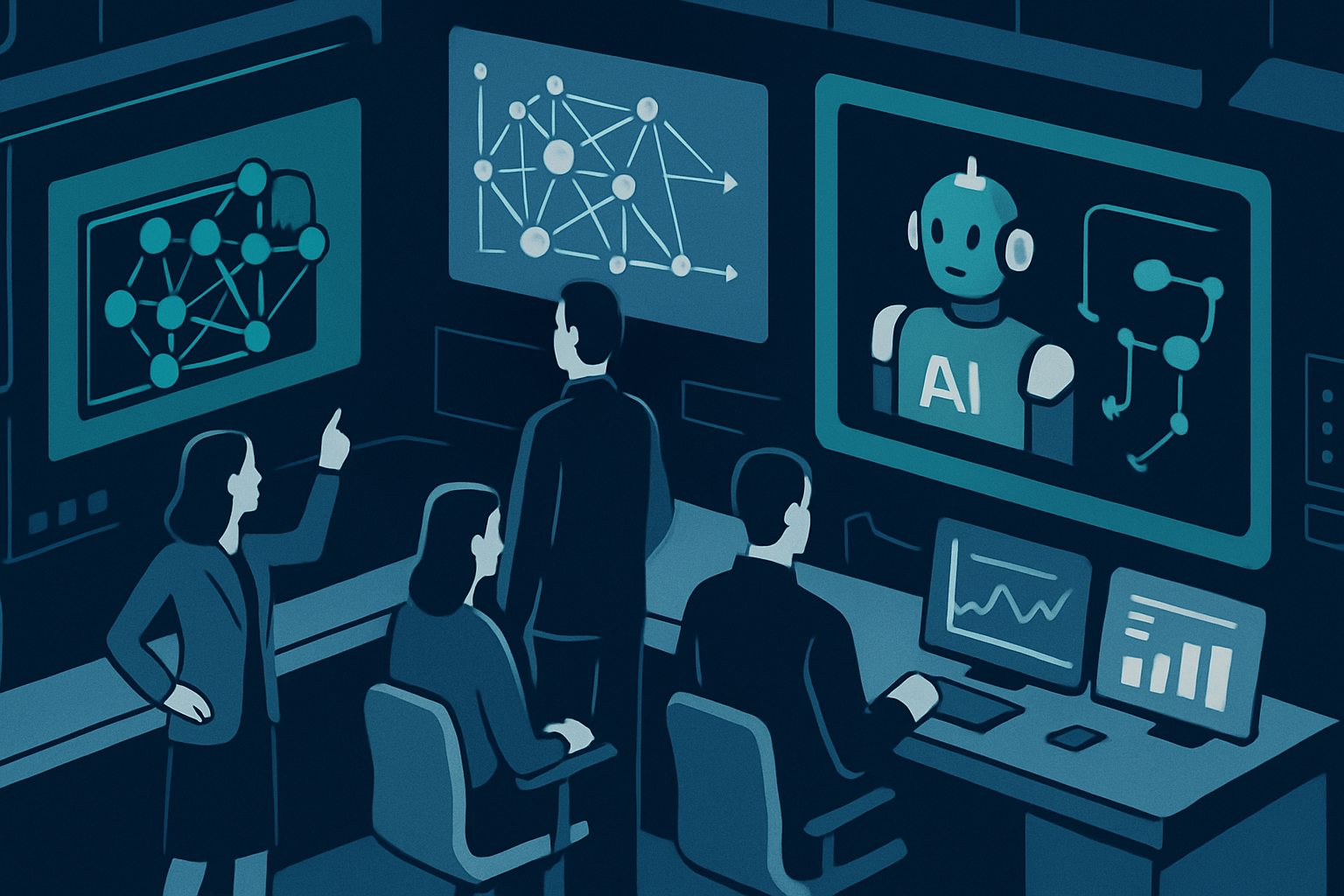
AI’s Autonomous Adaptation: Implications for Human Trust and Decision-Making
AI systems like Cloudflare’s Adaptive Intelligence and Anthropic’s Claude are autonomously adapting to dynamic environments, fundamentally altering human trust and decision-making processes. This shift necessitates a balance between technological benefits and preserving human oversight. Read more
-

Quantum Leap: AI and the Cognitive Shift in Human Decision-Making
Quantum and AI advancements are not just technological leaps; they reshape human decision-making and cognition. As AI becomes more integral, it may alter our problem-solving processes and redefine expertise. Balancing AI’s role is crucial to maintaining human agency. Read more


