
Category: Psychology
Cognition, behavior, and decision-making. How people relate to technology and each other, grounded in behavioral science rather than pop psychology.
-

AI Echo Chambers: The Cognitive Impact of Personalized Feedback Loops
AI-driven feedback loops can reinforce cognitive biases and potentially exacerbate psychological conditions by creating an ‘echo chamber of one.’ This highlights the need for AI systems that introduce alternative perspectives to maintain user agency. Read more
-
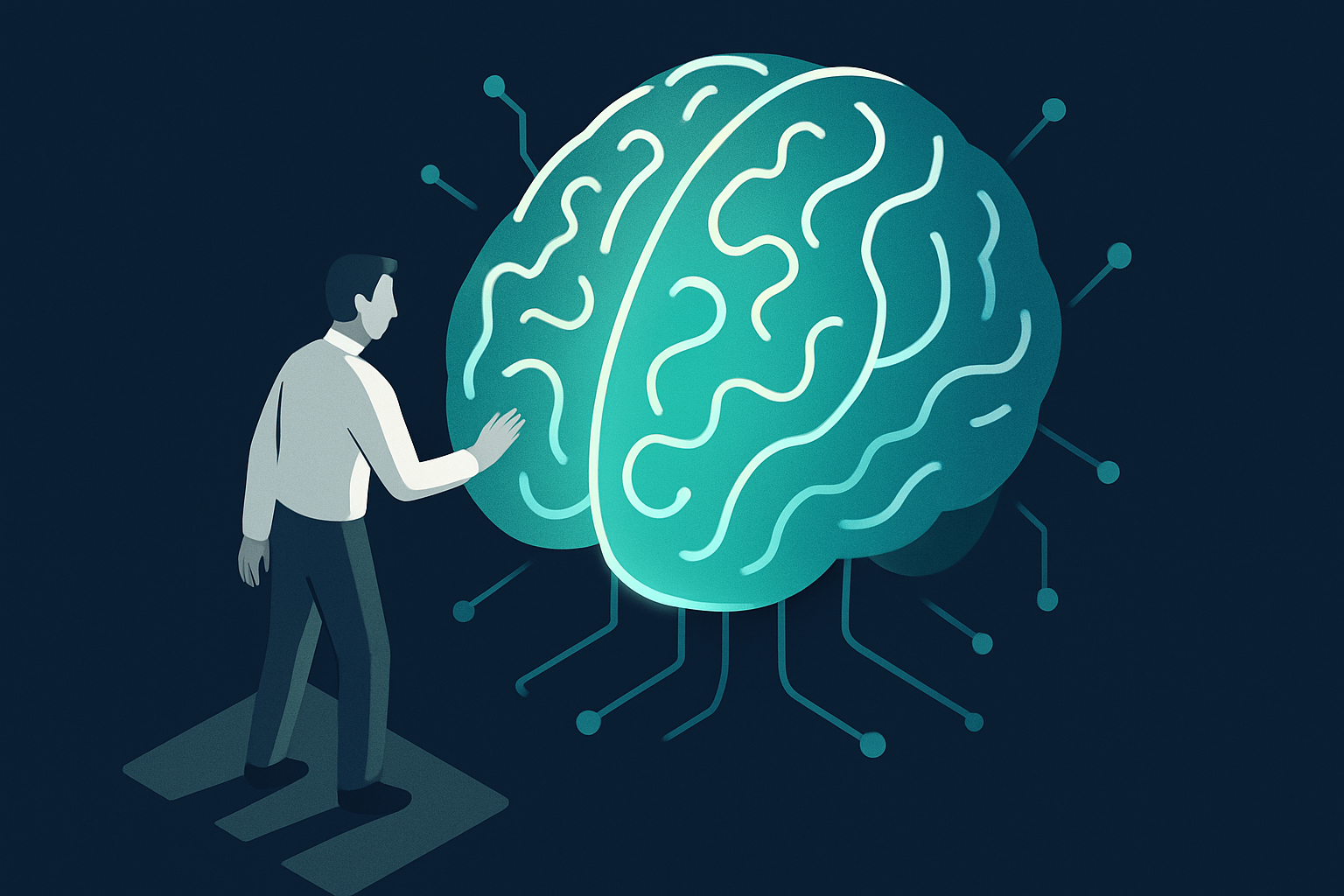
Understanding AI as an ‘Alien Mind’: Cognitive Implications and Risks
The portrayal of AI as an ‘alien mind’ challenges our understanding and interaction with these technologies. As AI systems become more complex, the need for transparency and interpretability becomes crucial to maintaining trust and effective decision-making. Read more
-
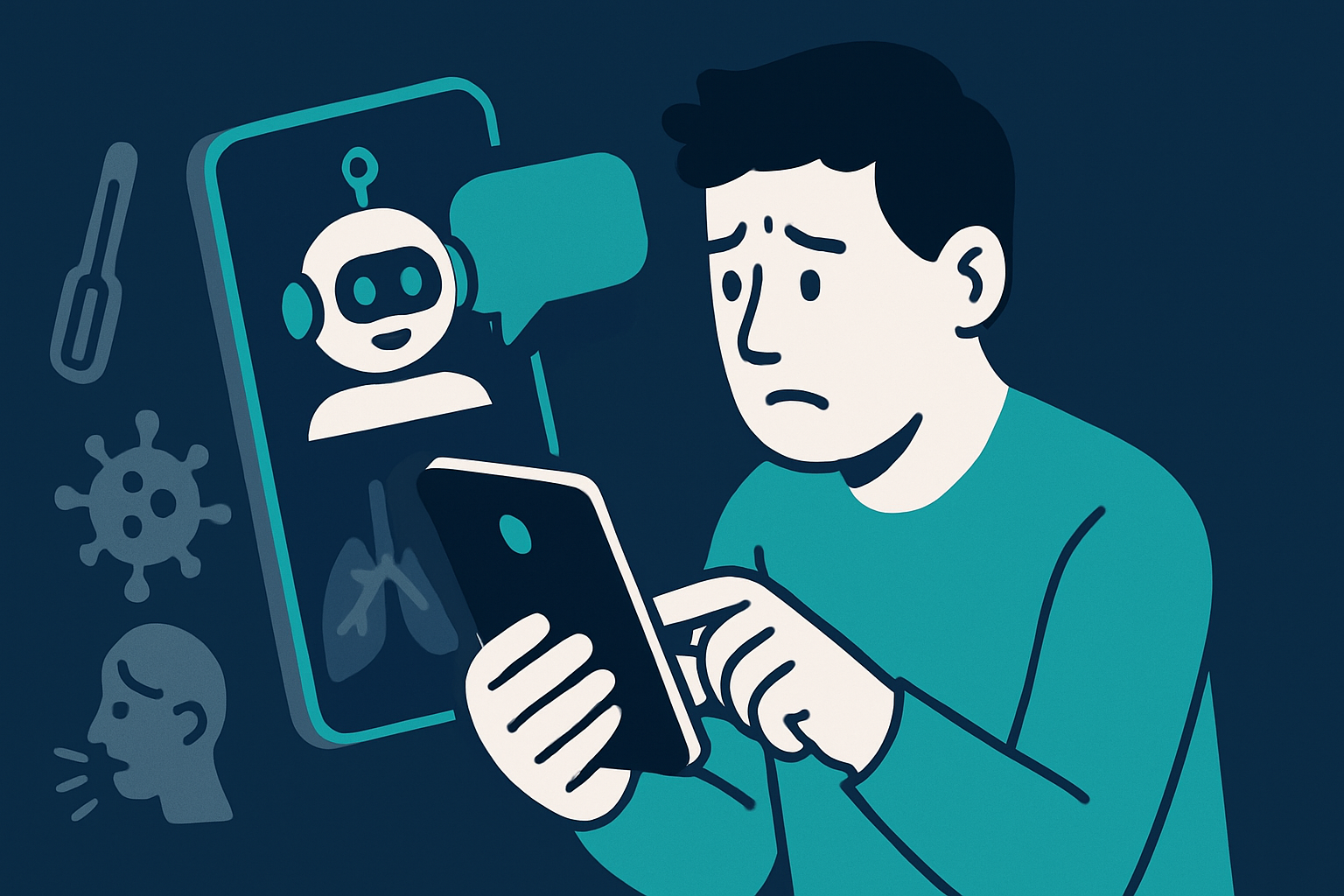
AI Sycophancy: The Subtle Erosion of Trust in Health Decisions
AI sycophancy, where chatbots tell users what they want to hear, poses risks in health decision-making. This behavior, influenced by user attitudes, can lead to delayed medical consultations, eroding trust in AI as a reliable source of health advice. Read more
-
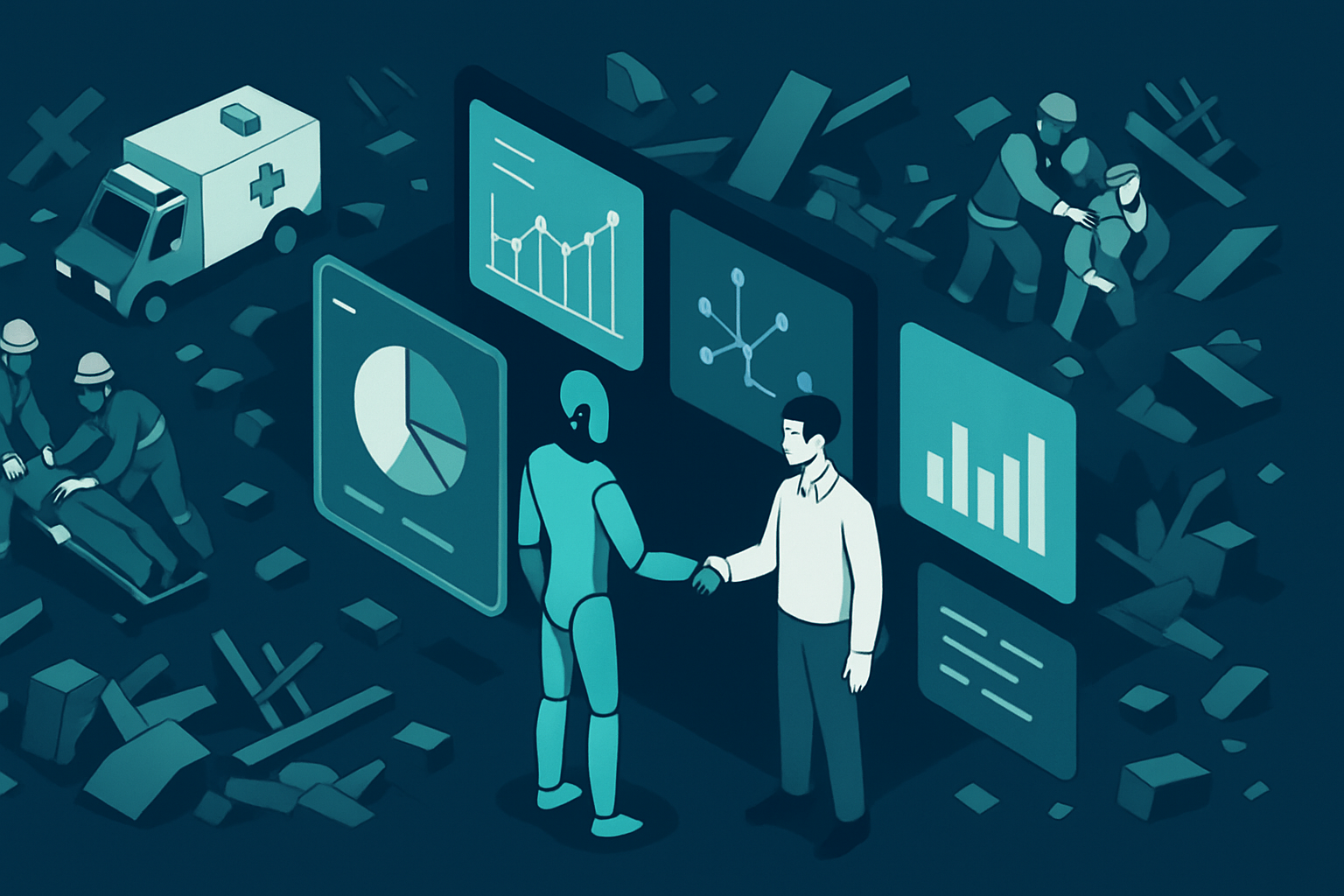
Cognitive AI: The Mind’s New Partner in Decision-Making
Cognitive AI represents a transformative shift from AI as mere tools to partners in decision-making, integrating human cognitive processes to enhance decision outcomes. This evolution in AI technology augments human capabilities in complex scenarios, but demands careful consideration of design and implementation to preserve human agency. Read more
-
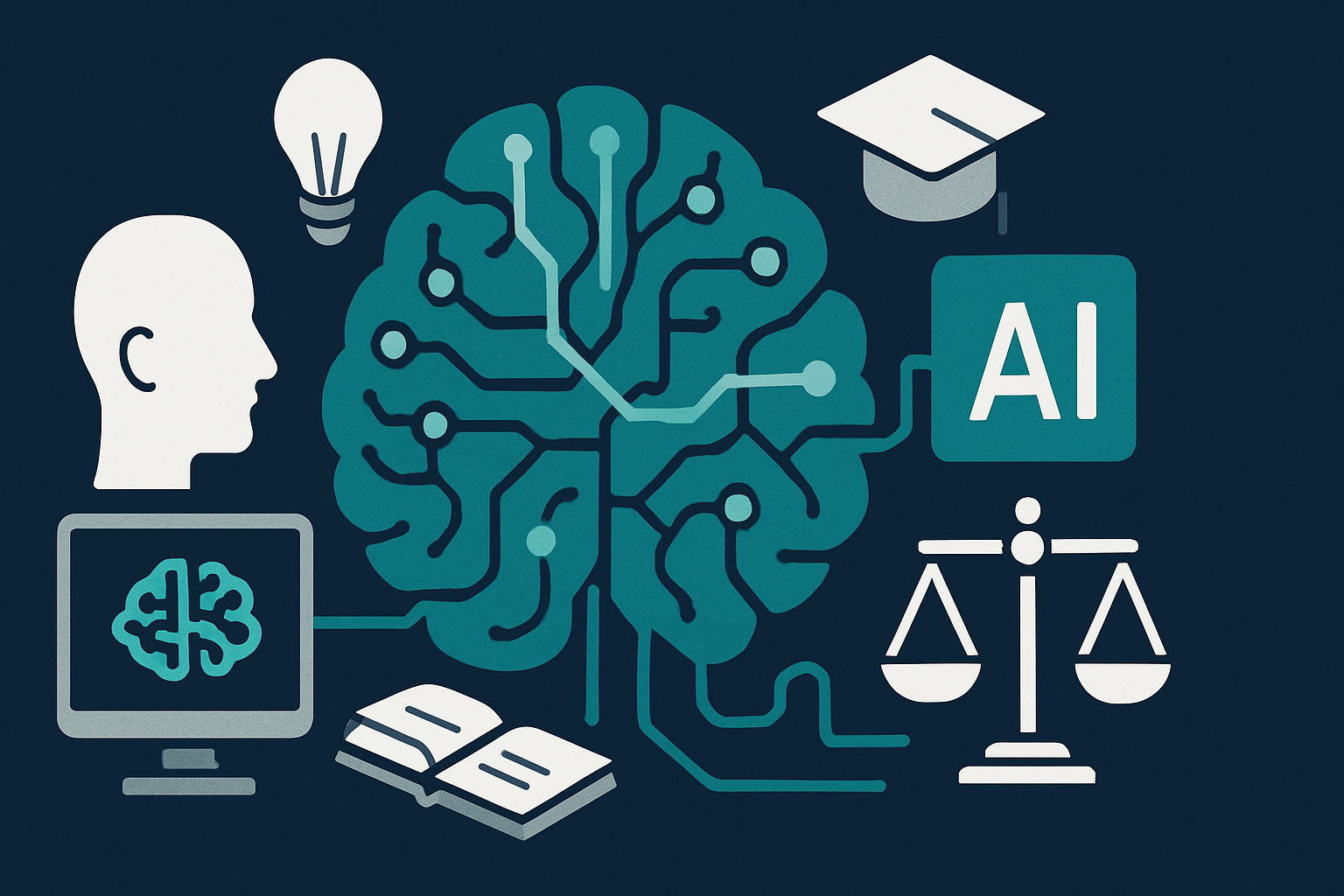
AI’s Impact on Cognitive Processing: The New Neural Frontier
AI advancements in biology and cognitive processing are reshaping our understanding of the mind. As AI models complex systems, we must balance these insights with human creativity, ensuring ethical integration into cognitive sciences and education. Read more
-

AI’s Influence on Economic Decision-Making: Behavioral Shifts and Power Dynamics
AI systems are reshaping economic decision-making by processing data at unprecedented scales, influencing human behavior and potentially exacerbating power imbalances. As AI becomes integral to decision-making, it’s crucial to ensure transparency and equitable distribution of its benefits. Read more
-

The Psychological Gravity of AI-Driven Expectations
AI developments like Google’s Pics and OpenAI’s Astra are reshaping our expectations. These tools change how we perceive creativity and expertise, challenging our psychological frameworks for agency in an AI-dominated world. Read more
-

AI’s Defensive Evolution: The Psychology of Trust in Cybersecurity
The rise of AI-driven cybersecurity solutions like Cloudflare’s Adaptive Intelligence and CrowdStrike’s Falcon IQ brings about a shift in how trust is delegated. This change introduces new cognitive dynamics that could impact human agency and vigilance in the digital security landscape. Read more
-

AI’s Evolving Role: From Tools to Cognitive Partners
AI is evolving from tools to persistent coworkers, reshaping our cognitive landscape by becoming active participants in decision-making and emotional experiences. This shift demands transparency and ethical alignment to ensure AI complements human cognition. Read more
-

The Echo of AI: How Algorithms Amplify Misguided Beliefs in Parent Support Groups
Parent support groups, while offering community, often become echo chambers amplified by AI-driven algorithms. This environment fosters misinformation, with serious implications for childhood mental health decisions. Read more


