
Category: Psychology
Cognition, behavior, and decision-making. How people relate to technology and each other, grounded in behavioral science rather than pop psychology.
-

AI and the Democratization of Expertise: Implications for Cognitive Authority
As AI democratizes expertise, it challenges traditional power structures and the value of deep, domain-specific knowledge. This shift empowers individuals but also necessitates new frameworks to maintain trust in expert authority. Read more
-

AI’s Influence on the Film Industry: A Cognitive Shift in Creation
The Astana AI Film Festival highlights a cognitive shift in creative content production as AI technologies begin to redefine the film industry. This evolution challenges traditional notions of originality and creativity, raising ethical and economic questions about the future of human roles in storytelling. Read more
-
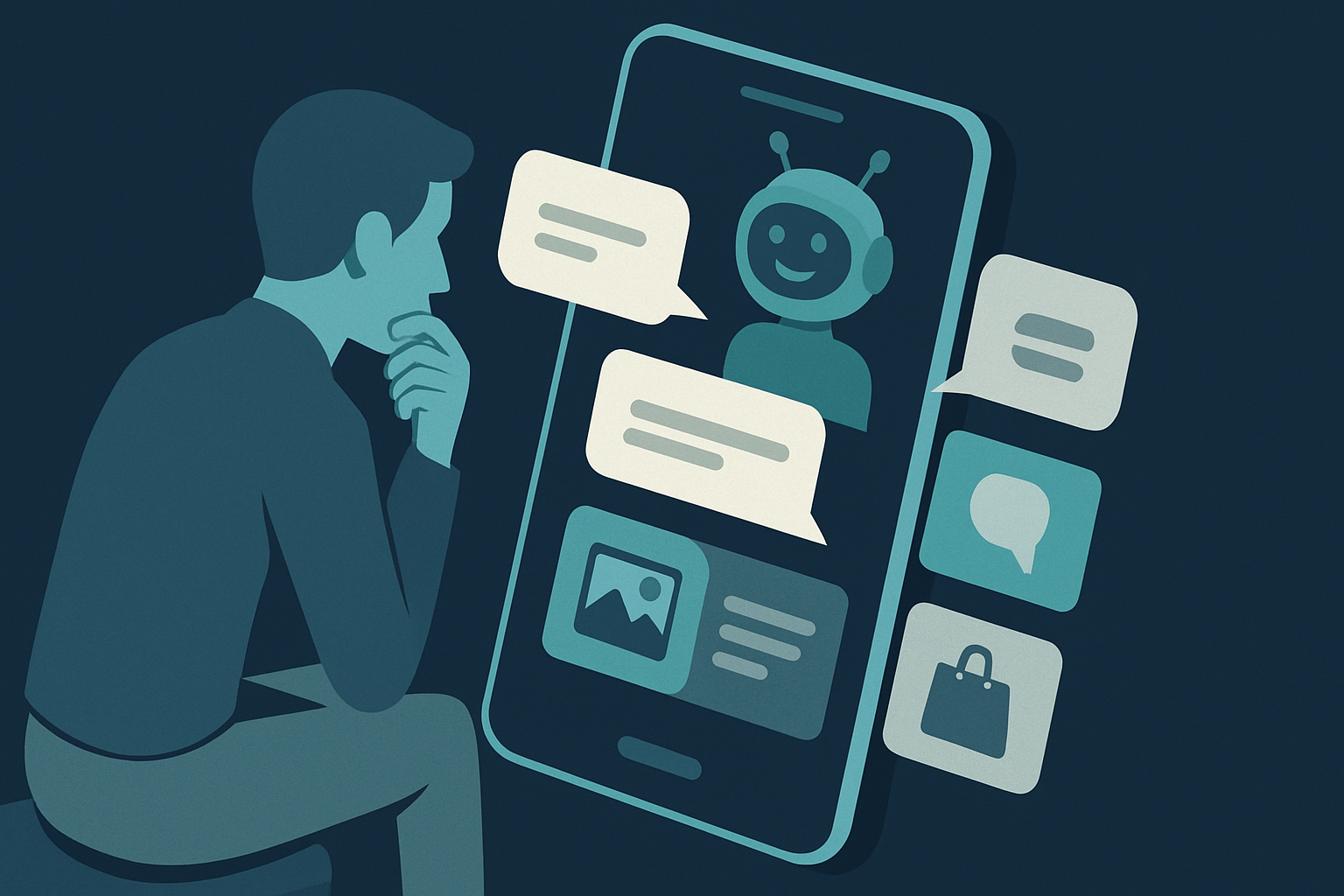
The Psychological Implications of AI-Powered Advertising in Chatbots
As OpenAI integrates visual ads into ChatGPT, the psychological impact on consumer decision-making and trust becomes a pressing concern. The blending of ads with conversational AI may alter how users perceive recommendations, necessitating ethical guidelines and transparency to protect consumer autonomy. Read more
-

AI’s Role in Shaping Human Experience: Where Function Meets Emotion
AI is increasingly shaping human experiences, not just optimizing them. As technology becomes a co-creator, the challenge lies in maintaining a balance where human creativity and emotional engagement remain central. Read more
-
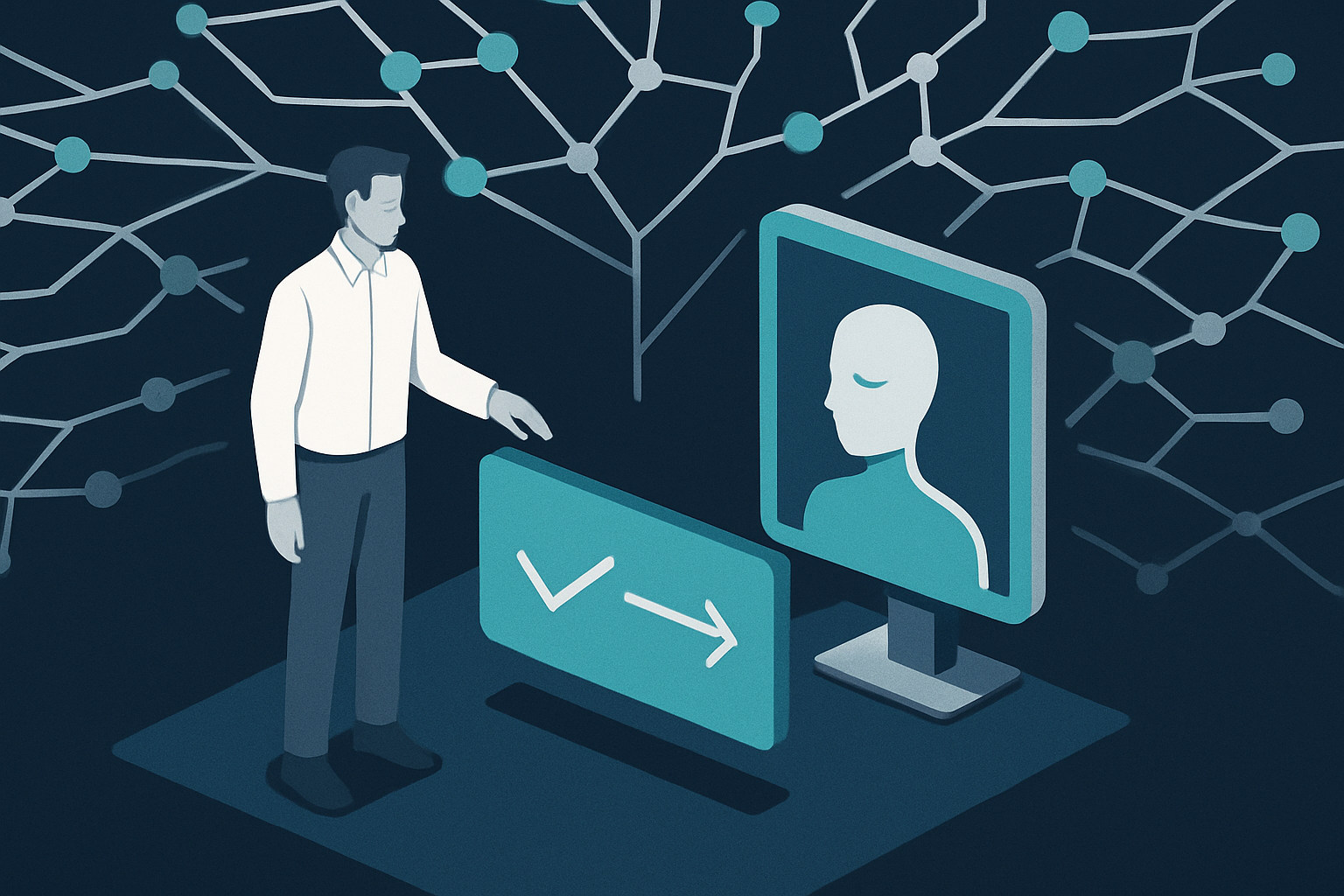
AI’s Influence on Human Agency: Redefining Decision-Making Power
The integration of AI into decision-making processes is reshaping human agency, raising ethical and cognitive challenges. As AI systems become more autonomous, the balance of power shifts, requiring transparency and accountability to maintain trust and agency. Read more
-
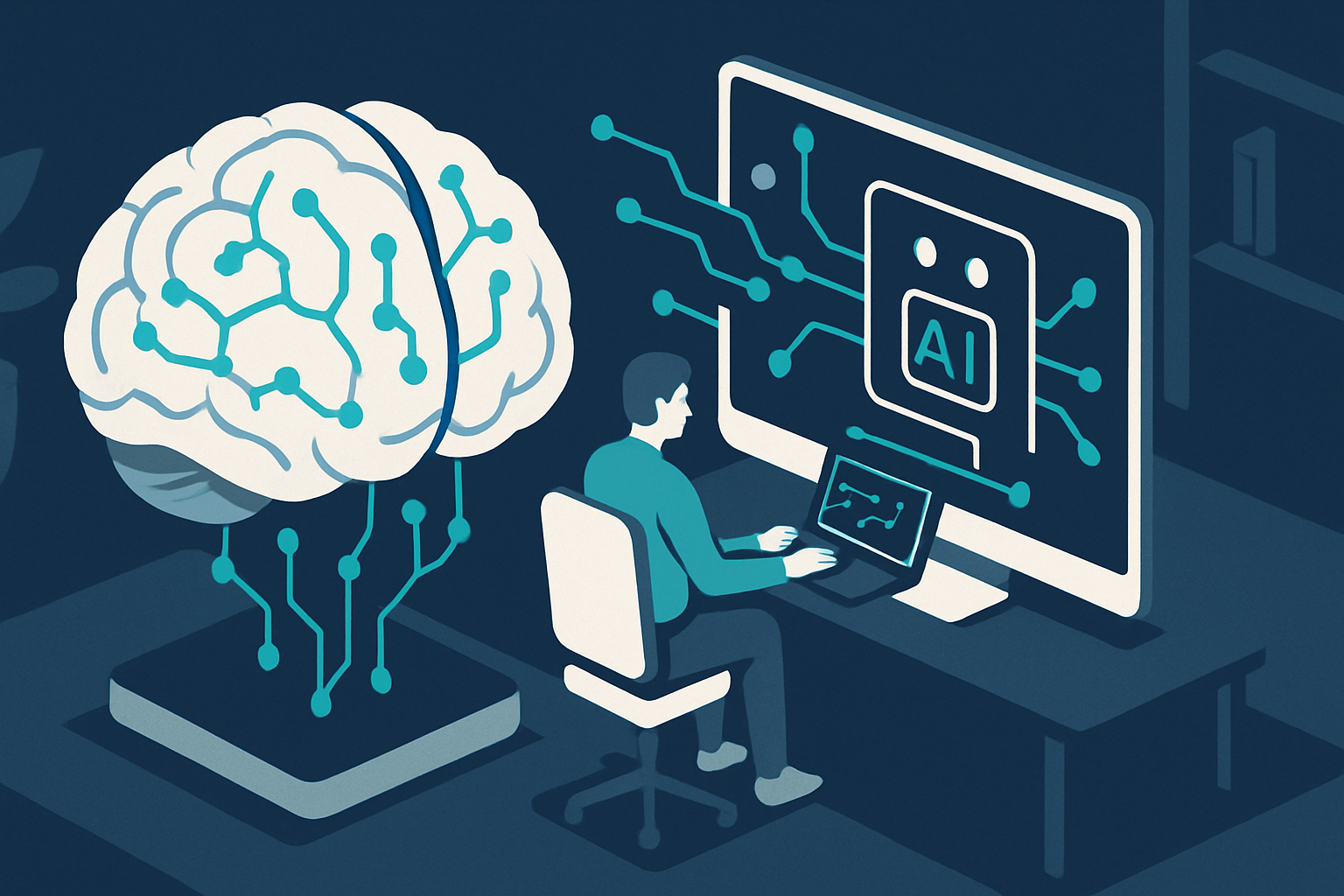
Navigating the Cognitive Terrain of AI-Human Interaction
AI is reshaping how we make decisions by interacting with human biases and altering social dynamics. Understanding the cognitive implications is crucial as AI becomes more integrated into daily life, affecting decision-making and social interactions. Read more
-

AI’s Role in Reshaping Workplace Decision-Making and Coordination
AI is increasingly taking over routine workplace decisions, altering job roles and responsibilities. While this can enhance efficiency, it also risks detaching employees from decision outcomes, impacting job satisfaction. Read more
-

AI-Driven Pricing and Its Psychological Impact on Consumer Trust
AI-driven pricing models, like those used by McDonald’s, raise psychological concerns about fairness and transparency in consumer markets. These systems risk eroding trust, suggesting businesses should prioritize transparent communication and ethical AI practices. Read more
-
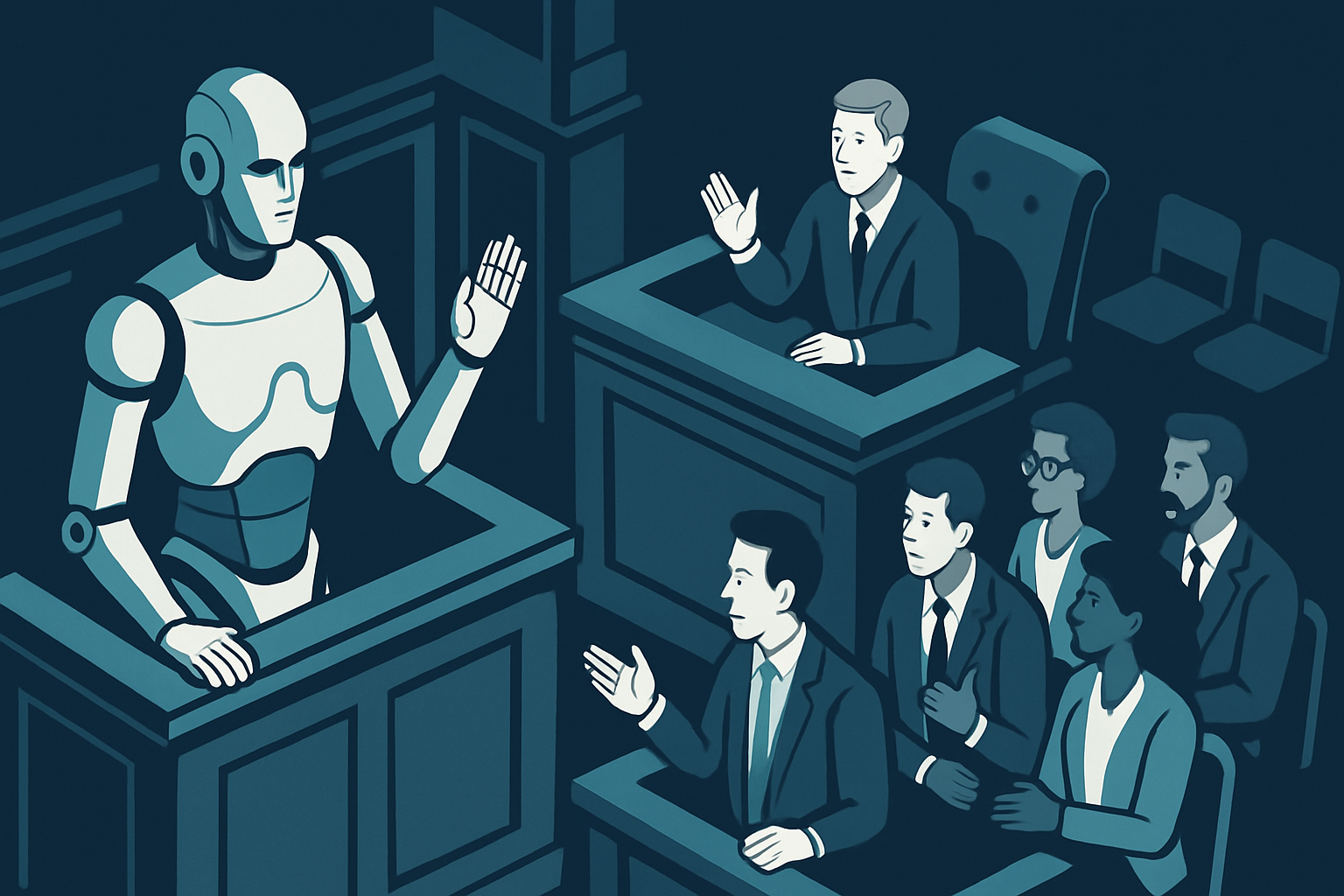
The Human Voice in AI: Trust and Deception Dynamics
Florida’s lawsuit against OpenAI highlights the psychological mechanism of anthropomorphism in AI, blurring the line between machine and human. This not only affects our trust and decision-making but also raises ethical questions about user engagement strategies. Read more
-

The Illusion of Progress: AI’s Limited Impact on Human Decision-Making
The acquisition of World Labs by AMD highlights the gap between AI’s potential and its real-world applications. Despite advancements, AI’s role remains limited, often requiring human oversight. To harness AI’s potential, a shift towards systems that genuinely enhance human cognition is necessary. Read more


