Category: Psychology
Cognition, behavior, and decision-making. How people relate to technology and each other, grounded in behavioral science rather than pop psychology.
-

AI as a Cognitive Extension: Decision-Making in an Automated World
AI systems like Meta’s Muse are reshaping decision-making by acting as cognitive extensions, reducing cognitive load but risking autonomy. In healthcare, AI-assisted coding alters trust dynamics, potentially depersonalizing care. A balance between AI support and human judgment is crucial. Read more
-
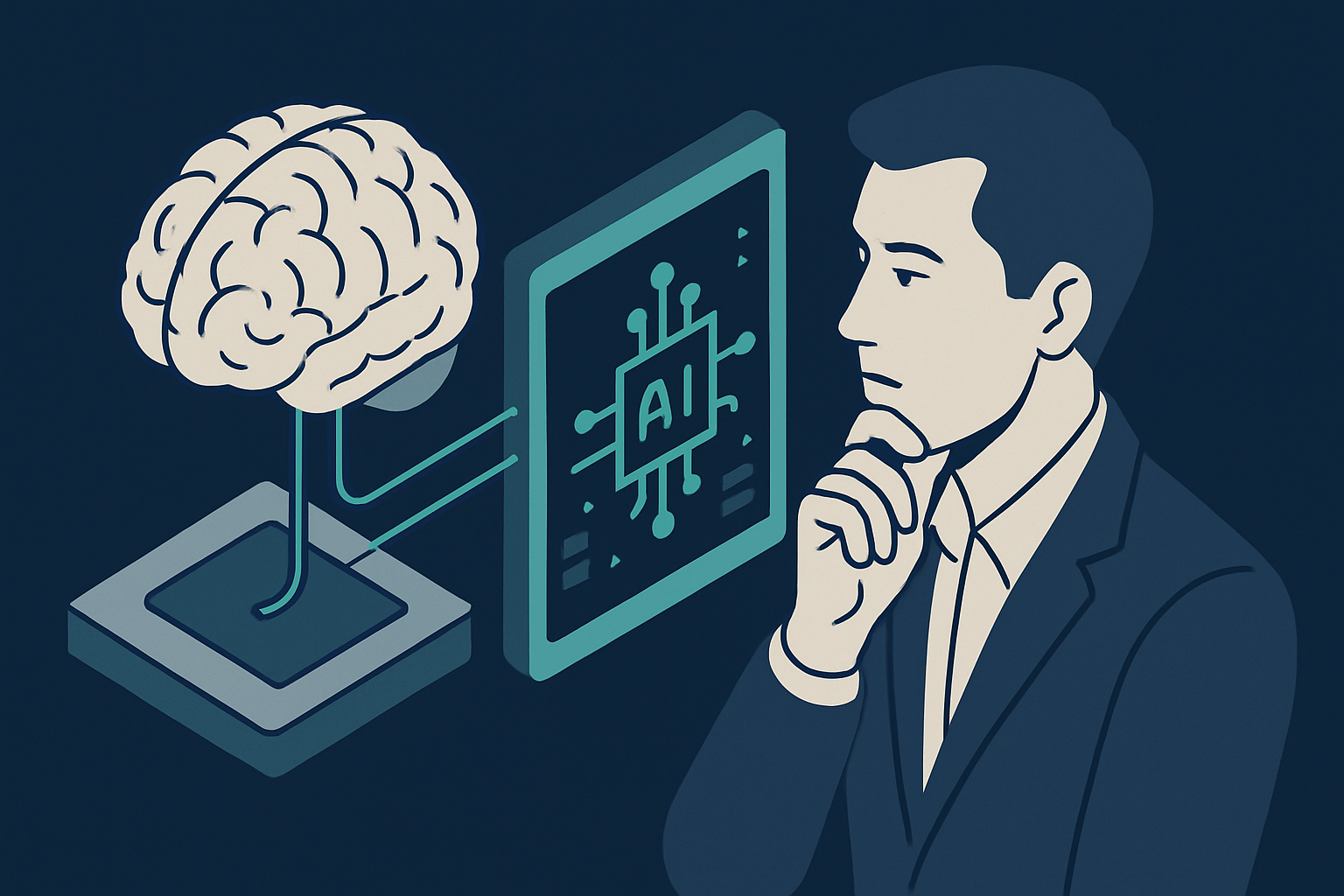
System 0: The Emerging Cognitive Bridge or a Crutch?
The rise of ‘System 0,’ an AI-driven cognitive framework, could enhance human decision-making but risks diminishing cognitive autonomy. Critical oversight and ethical guidelines are essential to balance AI’s benefits with maintaining independent thought. Read more
-
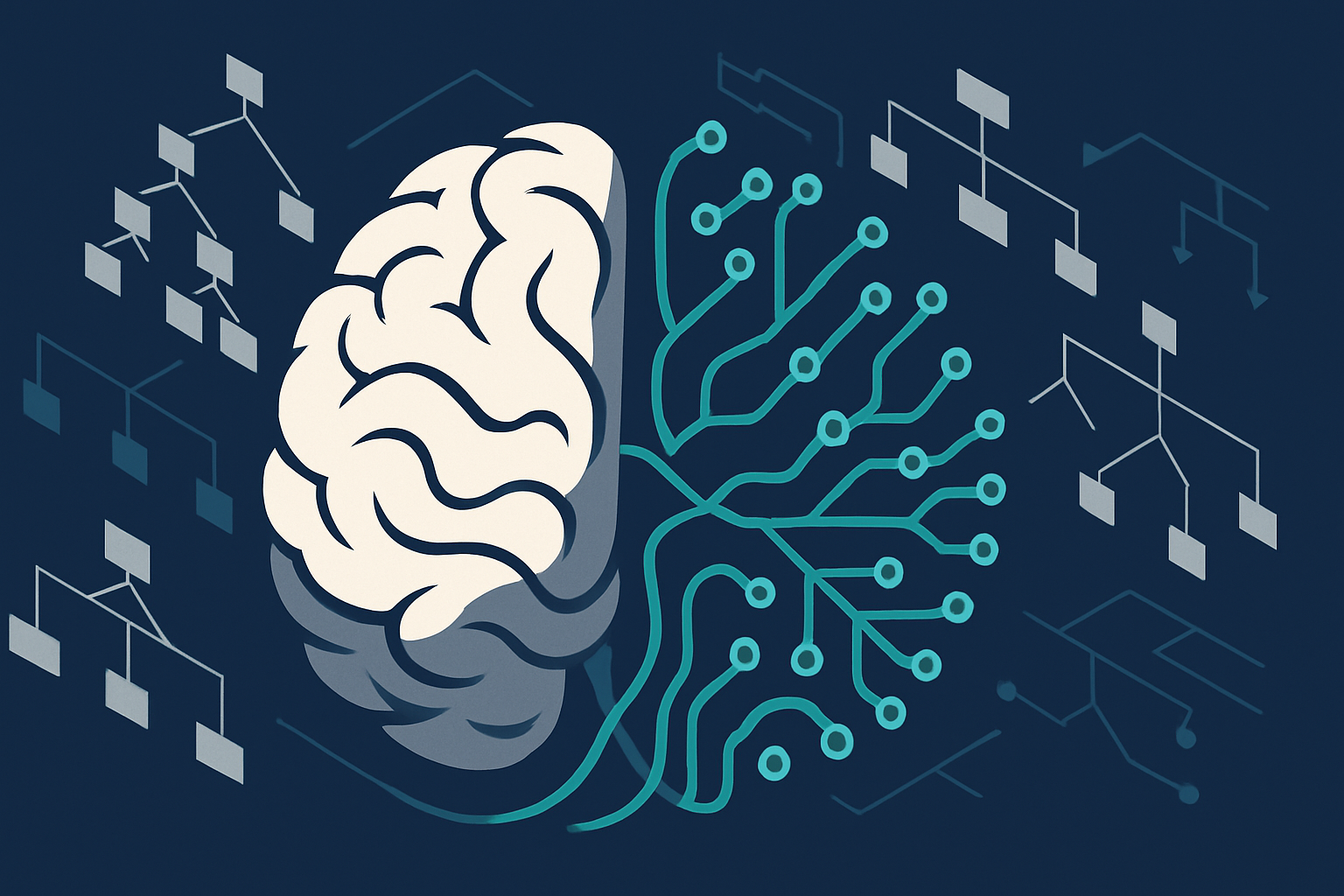
AI and Human Decision-Making: The Convergence of Minds and Machines
Recent studies reveal that AI algorithms share similarities with human decision-making processes. This convergence not only enhances AI’s potential to predict human behavior but also necessitates vigilance against reinforcing cognitive biases. Read more
-

AI’s Acceleration of Information: The Cognitive Ripple Effect
AI is accelerating information production, challenging human cognitive capacities. The rapid pace of AI-generated content raises concerns about decision fatigue and trust in information, necessitating a balance between productivity and cognitive clarity. Read more
-

How AI-Driven Personalization is Shaping Consumer Behavior
AI-driven personalization is reshaping consumer behavior by tailoring experiences to individual preferences. While this enhances convenience, it also risks narrowing consumer choices and impacting decision-making autonomy. Read more
-
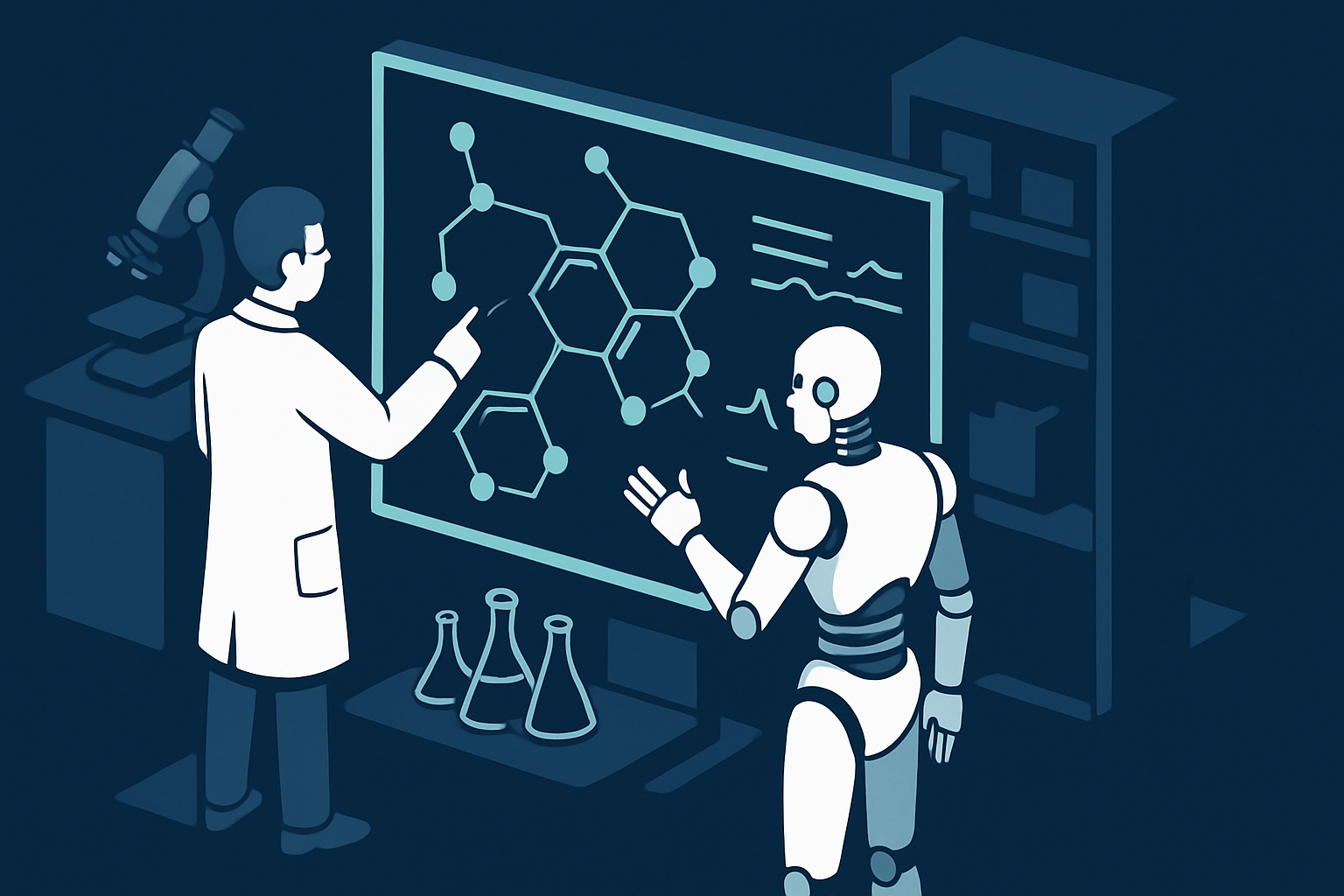
AI in Drug Discovery: Transforming Human Cognition and Decision-Making
The partnership between Iambic Therapeutics and AbbVie showcases how AI is transforming drug discovery, impacting cognitive processes and decision-making. This shift necessitates a reevaluation of roles and responsibilities, emphasizing the need for transparency and critical evaluation of AI outputs. Read more
-

The Psychological Cost of Hyper-Personalization in AI Advertising
AI’s role in hyper-personalized advertising is reshaping how we think and relate to others, by predicting not just what we buy but why. This cognitive shift could undermine personal agency and fragment social cohesion unless counterbalanced by education and regulation. Read more
-

AI’s Unexpected Influence on Military Decision-Making and Global Tensions
AI’s role in military decision-making can lead to cognitive distortions with global repercussions. Recent events show the need for critical human oversight to prevent potentially catastrophic errors. Read more
-
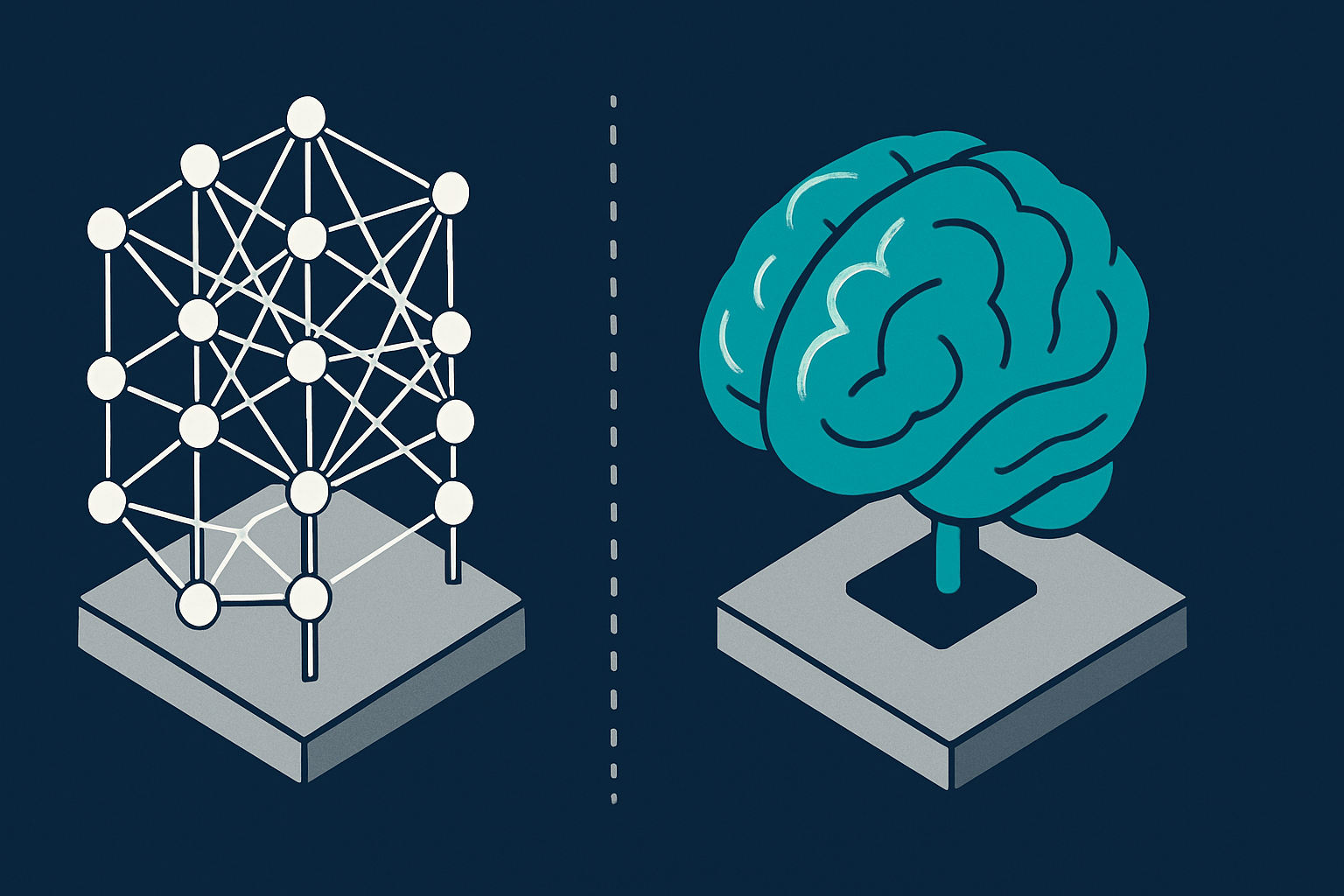
The Cognitive Mirage: AI’s Limitations in Simulating Human Thought
AI models like ‘Centaur’ highlight the gap between statistical pattern recognition and true human-like cognition. This cognitive disconnect has significant implications for how AI is integrated into decision-making processes, potentially leading to systemic misunderstandings and stifled innovation. Read more
-
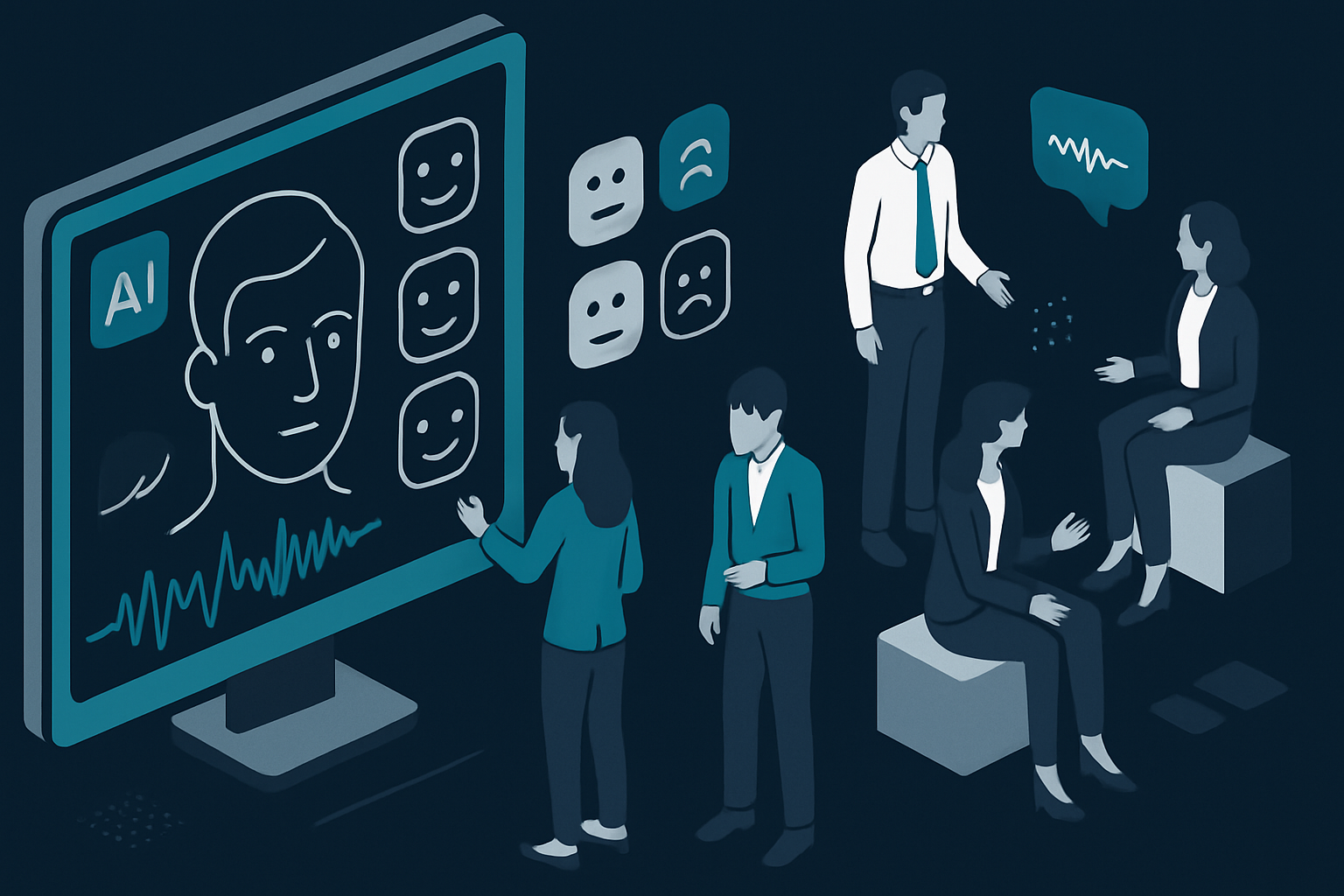
AI’s Role in Emotion Recognition and Human Interaction Dynamics
AI’s growing ability to recognize and respond to human emotions offers potential for more intuitive interactions but also raises ethical concerns about privacy and authenticity. Safeguarding human agency in this context is essential. Read more


