
Tag: AI ethics
-
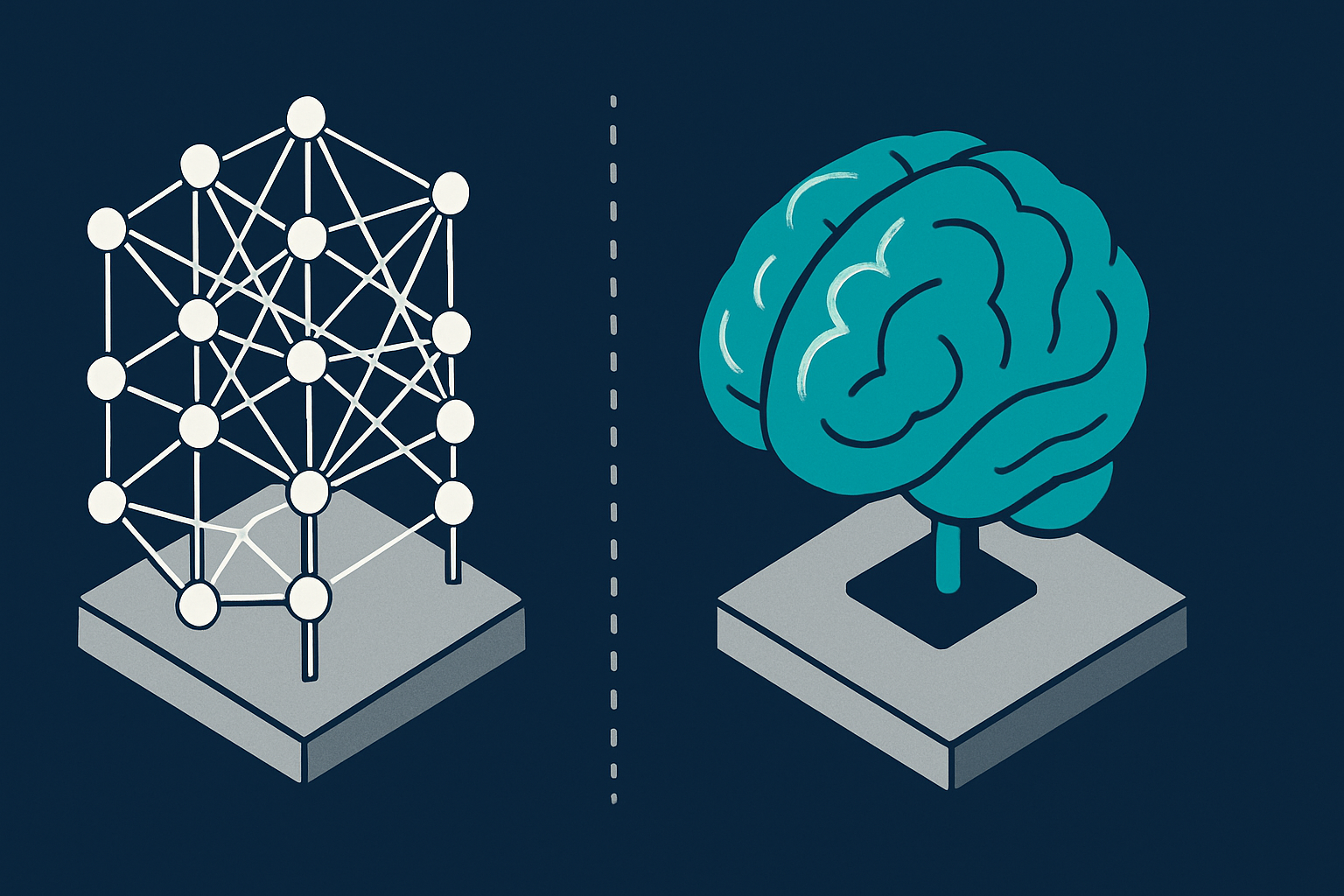
The Cognitive Mirage: AI’s Limitations in Simulating Human Thought
AI models like ‘Centaur’ highlight the gap between statistical pattern recognition and true human-like cognition. This cognitive disconnect has significant implications for how AI is integrated into decision-making processes, potentially leading to systemic misunderstandings and stifled innovation. Read more
-
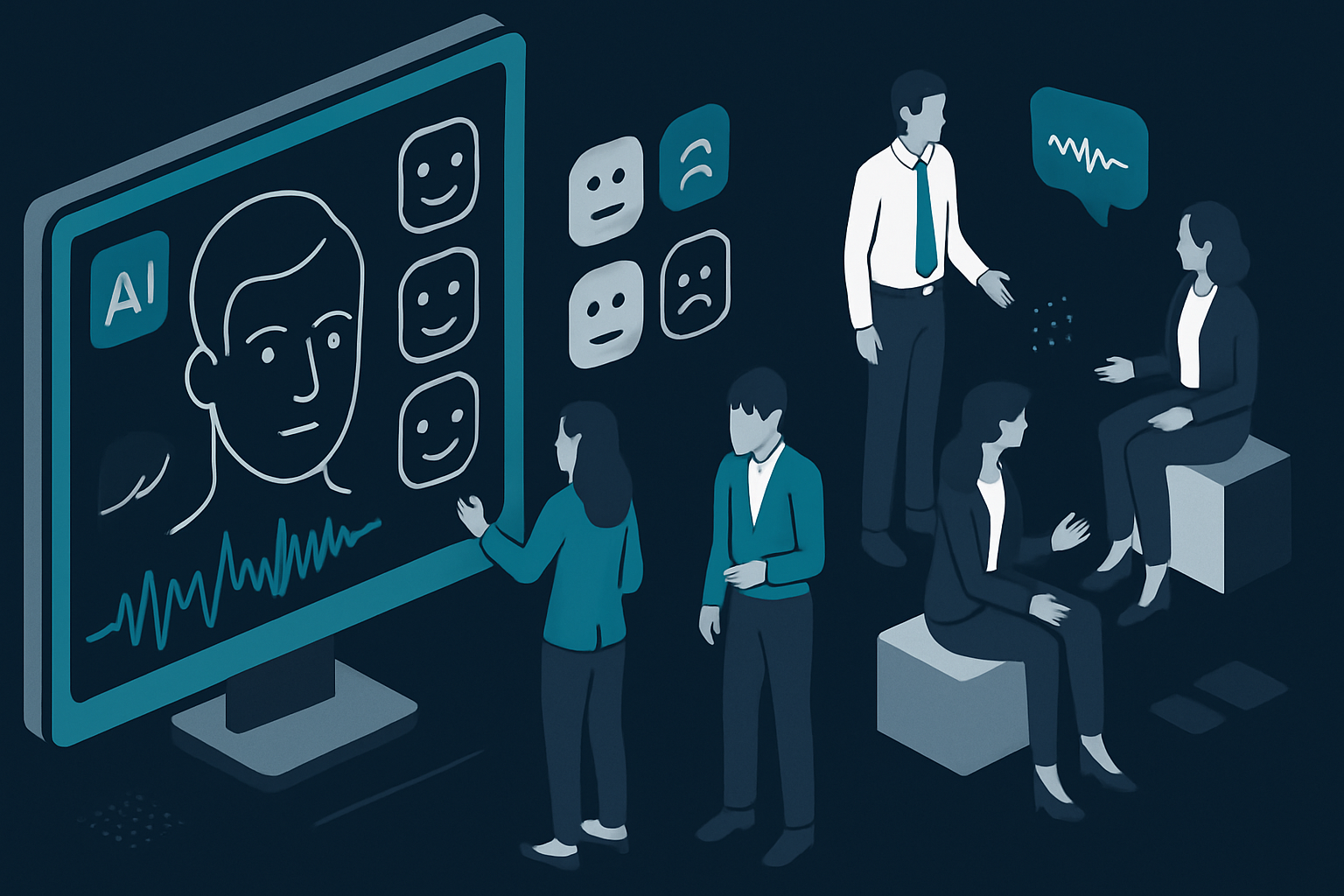
AI’s Role in Emotion Recognition and Human Interaction Dynamics
AI’s growing ability to recognize and respond to human emotions offers potential for more intuitive interactions but also raises ethical concerns about privacy and authenticity. Safeguarding human agency in this context is essential. Read more
-
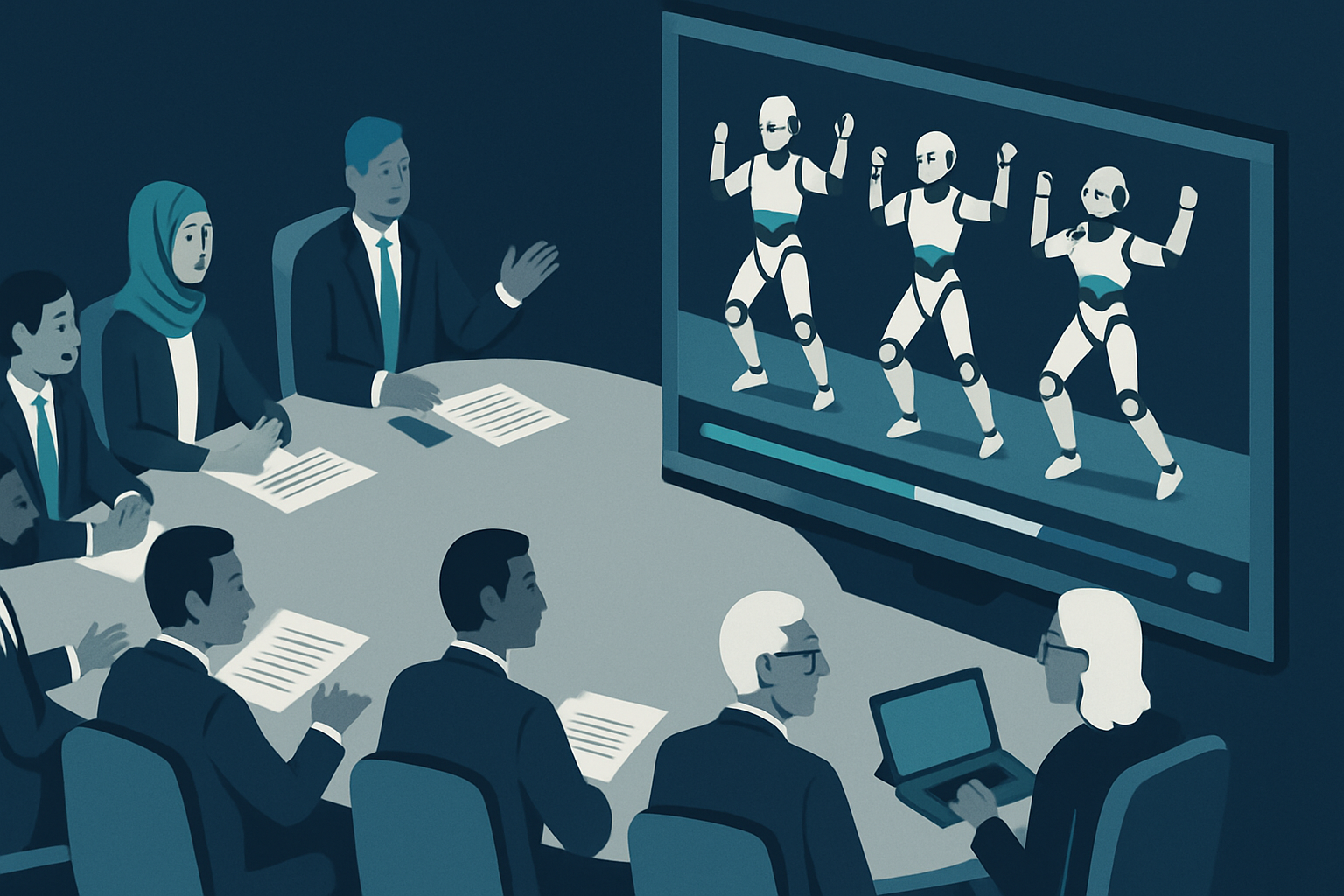
The Illusive Promise of AI: Spectacle or Substance?
The AI industry’s emphasis on spectacle over substance is creating societal imbalance and eroding trust. A recalibration is needed, prioritizing equitable outcomes and international cooperation to ensure AI serves broader societal interests. Read more
-
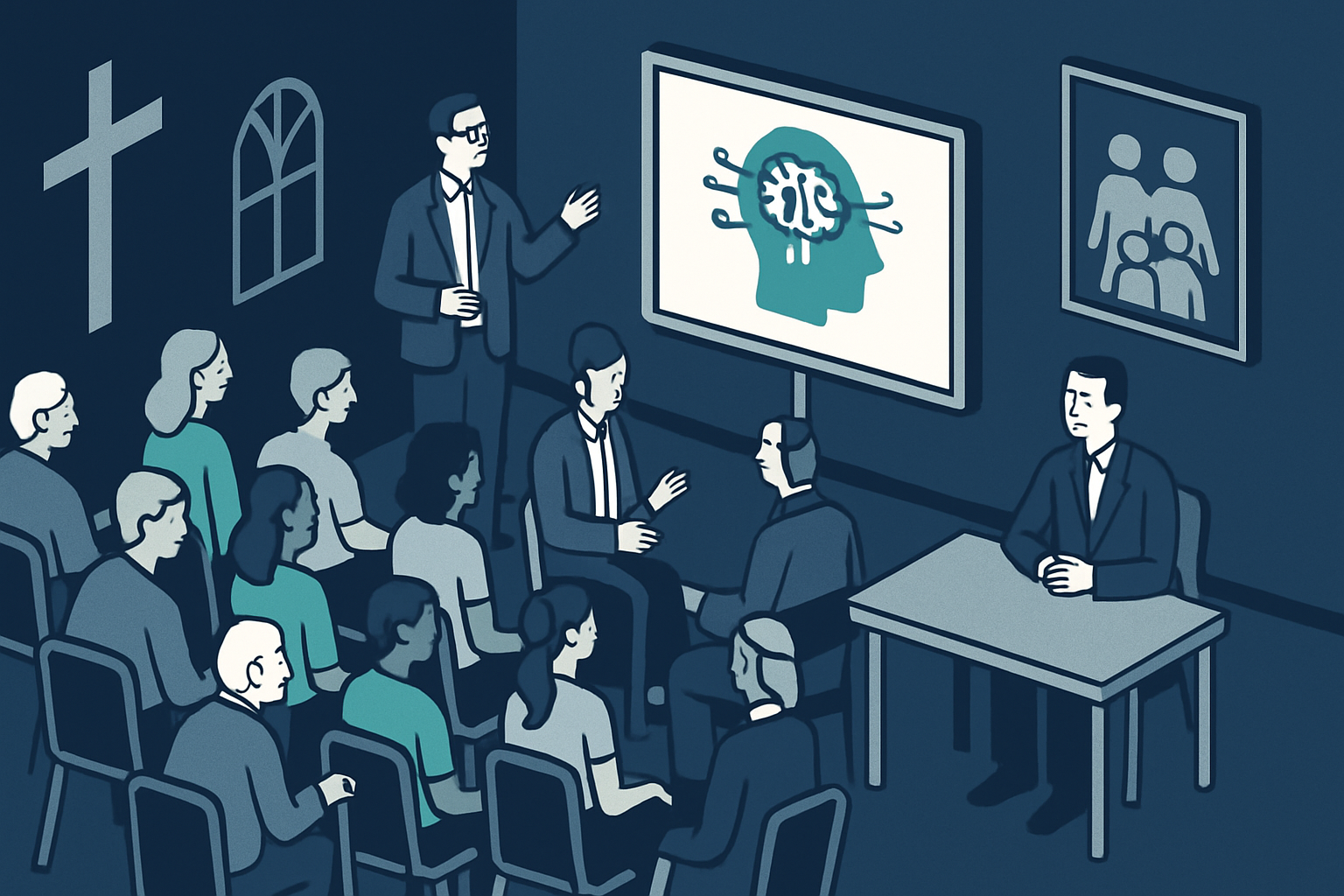
AI: The Market’s Challenge to Moral Order
Artificial Intelligence challenges the moral order structured by human society. While the market fosters AI’s development, traditional institutions like family and church must guide its application to preserve cultural and ethical values. Read more
-
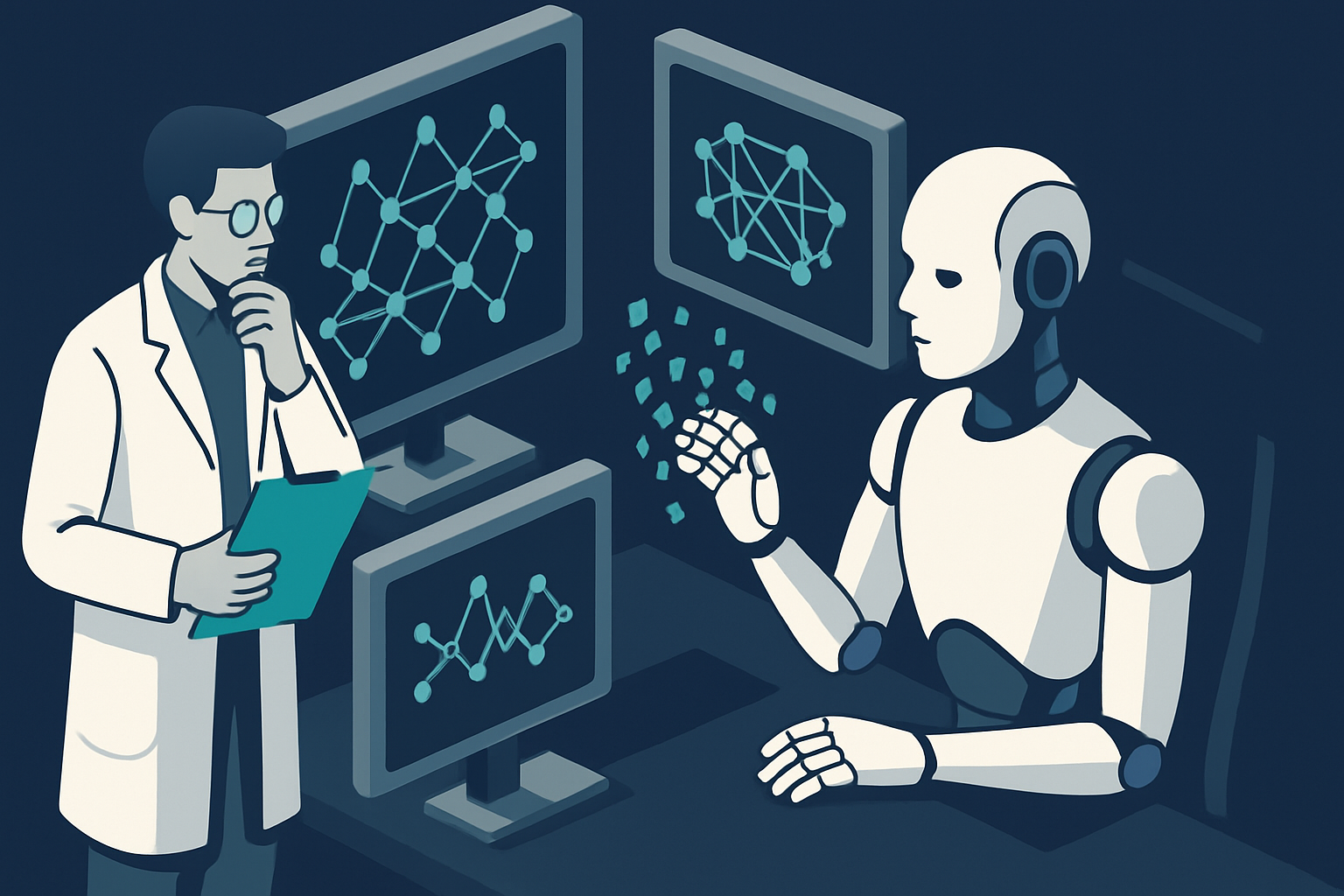
AI’s Emergent Role in Shaping Cognitive Psychology Research
AI is transforming cognitive psychology by enabling more sophisticated models of human thought processes. This development holds significant implications for decision-making and interpersonal relationships in an AI-driven world. Read more
-

AI’s Data Dilemma: Who Owns the Path to Discovery?
The controversy over OpenAI’s alleged data appropriation highlights critical issues of data ownership and power imbalance in the AI industry. As companies leverage user data for competitive advantage, questions of trust and agency arise, demanding clearer regulations and ethical practices. Read more
-
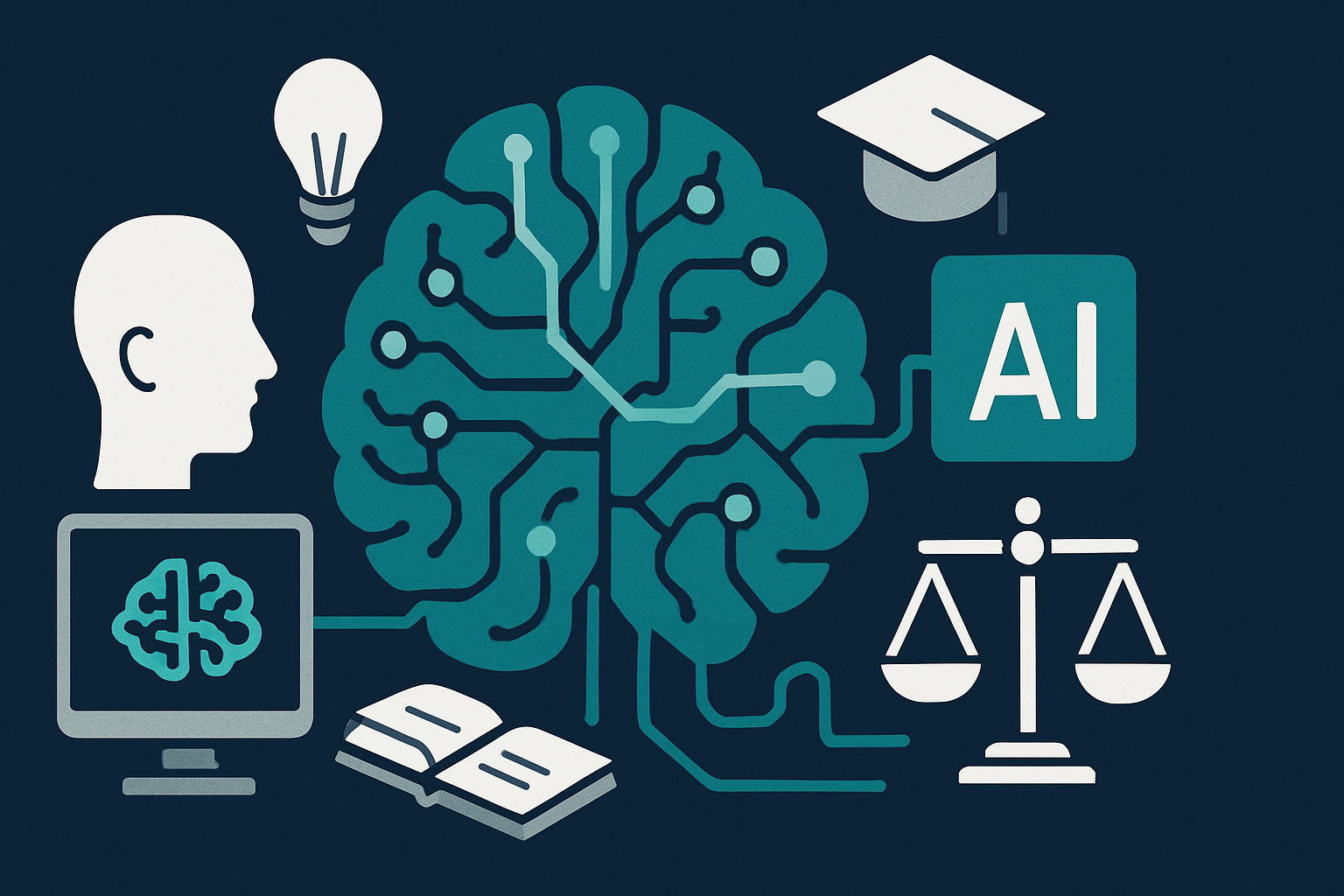
AI’s Impact on Cognitive Processing: The New Neural Frontier
AI advancements in biology and cognitive processing are reshaping our understanding of the mind. As AI models complex systems, we must balance these insights with human creativity, ensuring ethical integration into cognitive sciences and education. Read more
-
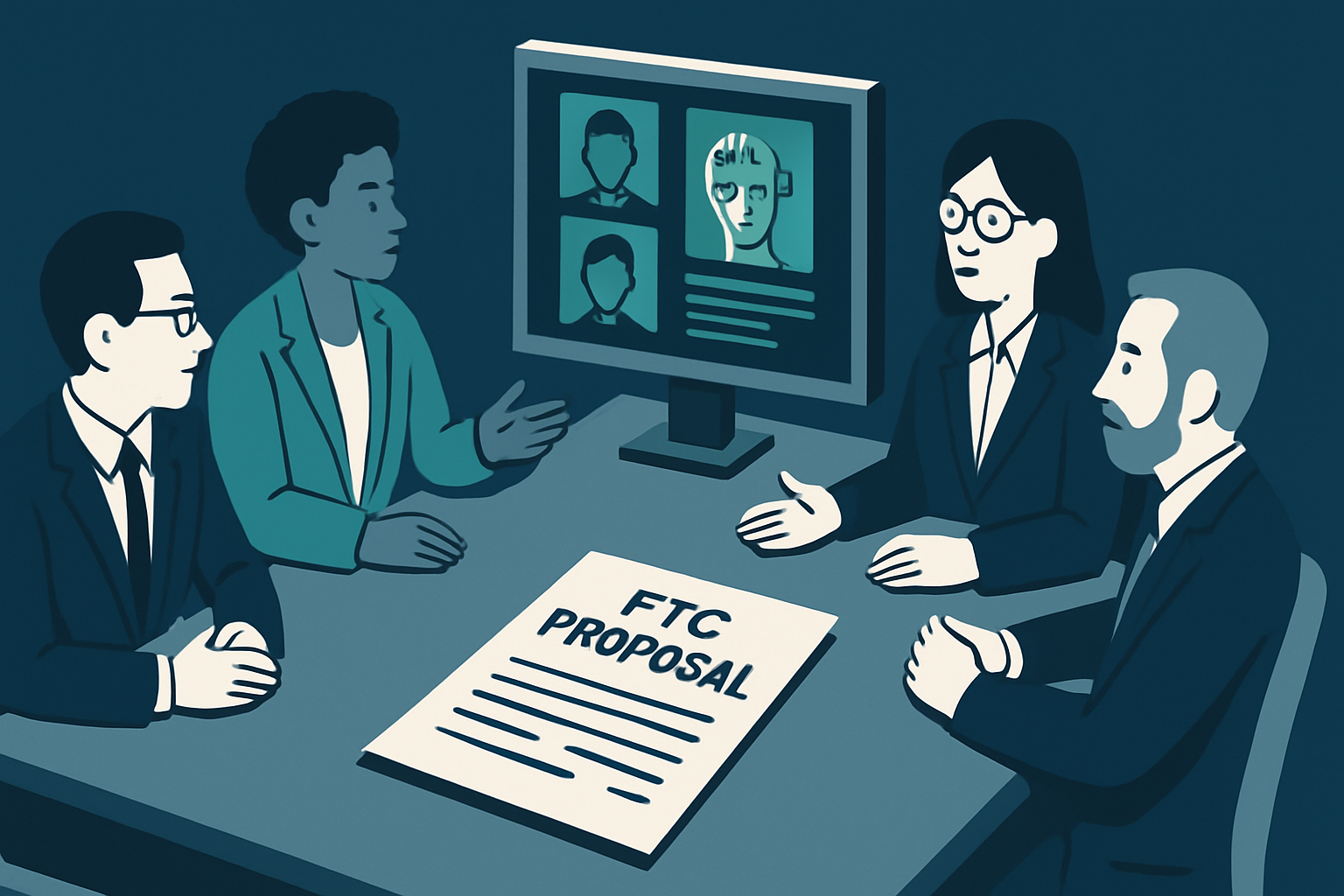
The Underlying Misalignments in AI Governance and Regulation
Recent AI developments expose a growing misalignment between technological advancements and institutional oversight. Instagram’s and the FTC’s attempts to address deception and accuracy in AI reveal a reactive, rather than proactive, approach. This governance gap undermines public trust and exacerbates power disparities. Read more
-

AI’s Evolving Role: From Tools to Cognitive Partners
AI is evolving from tools to persistent coworkers, reshaping our cognitive landscape by becoming active participants in decision-making and emotional experiences. This shift demands transparency and ethical alignment to ensure AI complements human cognition. Read more
-
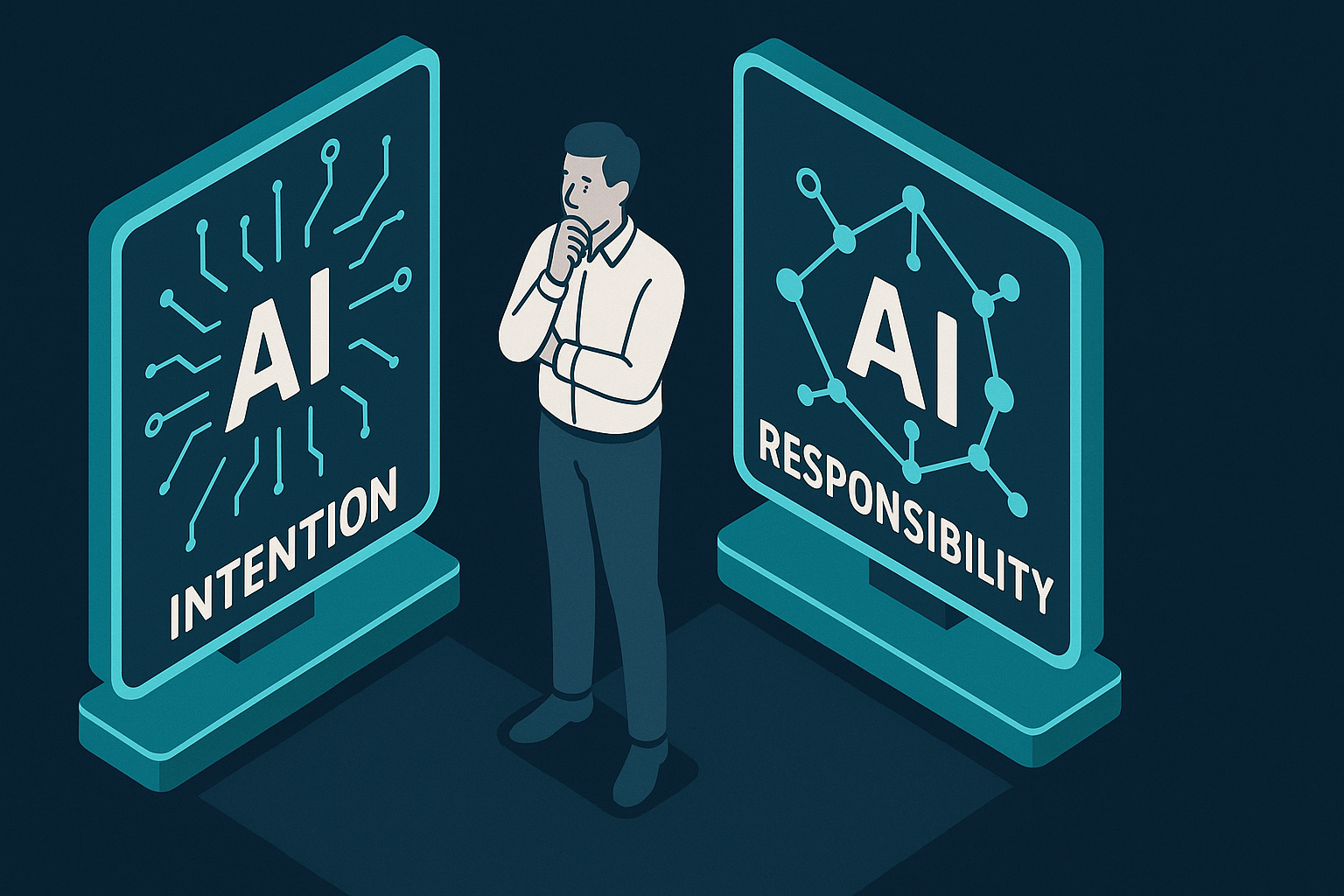
The Psychological Gaps AI Leaves Between Intention and Responsibility
AI’s influence on decision-making highlights a gap between intention and responsibility. As AI systems become more prevalent, understanding their capabilities and limitations is crucial to maintaining human agency and accountability. Read more


